Why a scarf can mean more than a souvenir
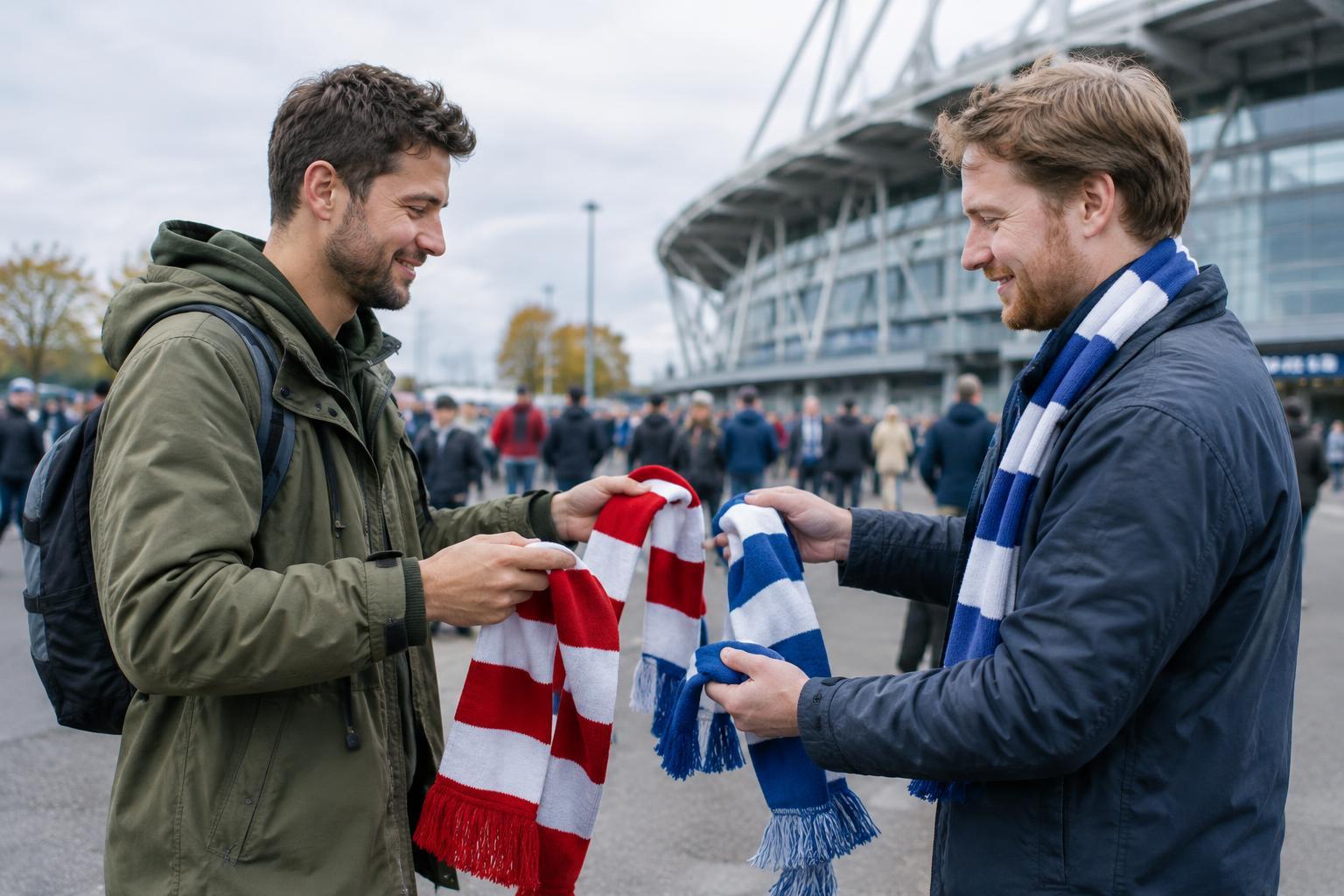
A football scarf is easy to pack and instantly recognizable, but its value to a supporter may have little to do with what it cost. It might recall a first match, a family member, a memorable trip or years spent following a club. That is why an exchange can feel like a genuine meeting between supporters rather than a simple swap of merchandise.
Not everyone wants to trade. Some people collect scarves from different grounds; others keep only the scarf they always wear. A visitor who treats either choice as equally reasonable is more likely to enjoy the conversation. The exchange is optional, and the chance to hear someone’s story may be the better keepsake.
Choose the right moment to ask
If you hope to exchange scarves, start with a friendly conversation in a relaxed setting. A supporter gathering, a shared table or a calm moment after a match may be more suitable than a crowded queue or a hurried walk to the turnstiles. Begin by asking about the other person’s club or scarf. If the conversation flows naturally, you can mention that you have a scarf you would be happy to trade.
Keep the offer simple and easy to decline. A question such as “Would you ever be interested in swapping scarves?” leaves room for a no without requiring an explanation. Avoid approaching someone who appears busy, upset or intent on staying with their group. Rivalries can also affect how an approach is received, so pay attention to the atmosphere and use your judgment. When in doubt, enjoy the conversation without proposing a trade.
Make the exchange clear and comfortable
Before handing anything over, make sure both people understand which scarves are being exchanged. A match-specific scarf, an older club scarf and a personal favorite may carry very different meanings to their owners. If yours has wear, a loose fringe or a mark, say so plainly and give the other person a chance to look at it. This is not a transaction that needs elaborate negotiation, but it does need a shared understanding.
Never assume that a scarf held out for a photograph is being offered to keep. Ask before touching or trying on another person’s belongings, and do not pull a scarf from someone’s neck, even in jest. If either person changes their mind before the swap is complete, let it go graciously. A pleasant encounter matters more than coming home with a particular item.
Respect the setting and the people around you
An exchange between supporters does not erase the norms of the place where it happens. A busy entrance is for keeping people moving; a seated row is not an ideal place for a long discussion. Follow any ground rules about what you can bring inside, and keep scarves clear of other spectators’ views once play begins. If you are visiting as a neutral, remember that prominently displaying another club’s colors may draw attention in some areas.
Photos are best treated as a separate invitation. Ask whether the other person wants a picture, and ask again before posting it publicly. They may be happy to remember the swap without sharing their face or location online. If you want to remember the story behind a scarf, a private note about the club, the match and the conversation can be enough.
Let the story travel with the scarf
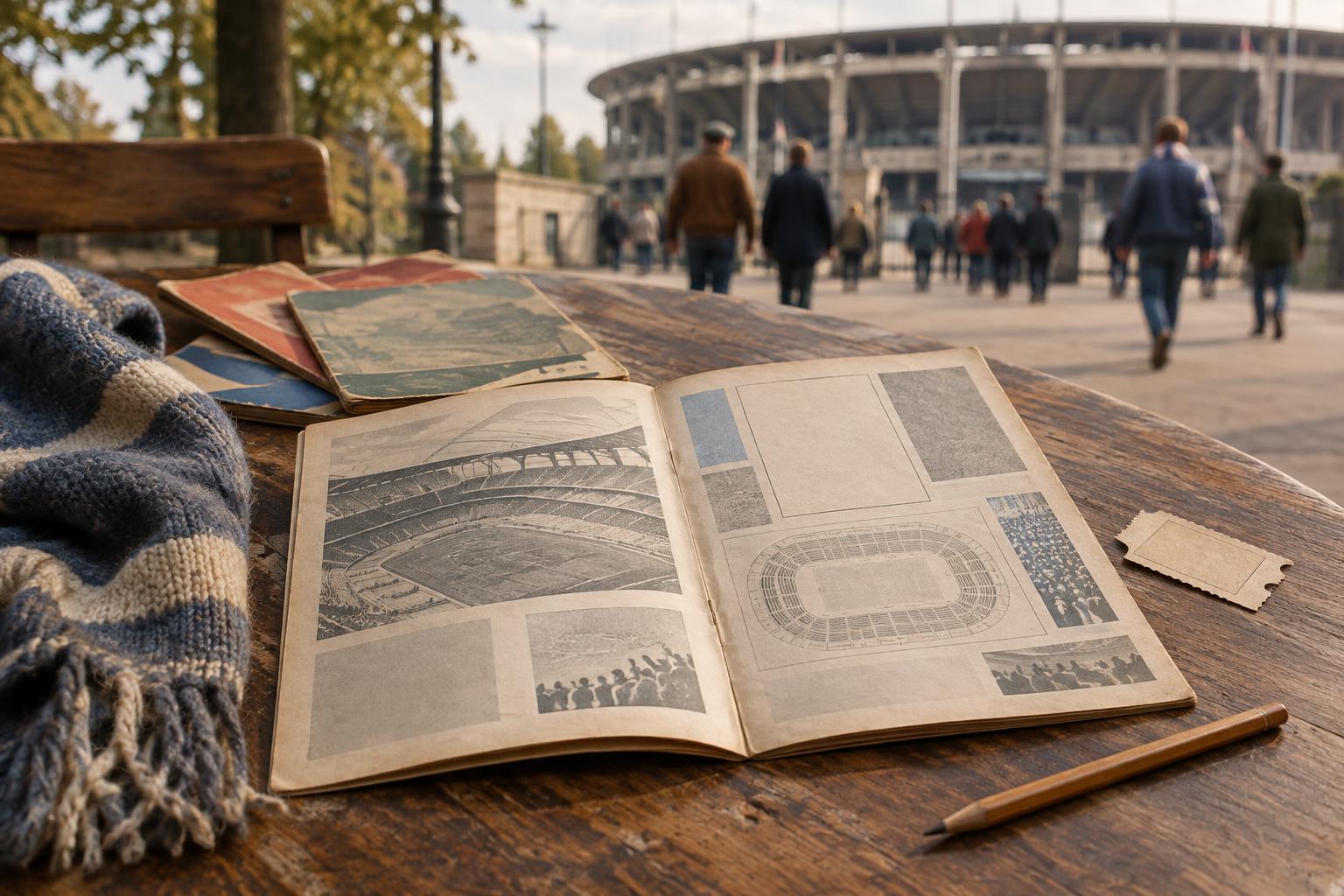
Once you are home, give the scarf a place where you can remember how you acquired it. A small label or notebook entry can preserve details that might otherwise fade: where you met, what you talked about and why that particular scarf was offered. If it is delicate or has sentimental value, store it in a way that protects it rather than treating it as something that must be worn.
You do not need to arrive at a ground with a spare scarf or leave with a new one to take part in supporter culture. Asking a thoughtful question, listening to an answer and accepting someone’s boundaries are all ways to connect. A scarf exchange works best when both people leave with a good memory, whether or not either of them has changed scarves.