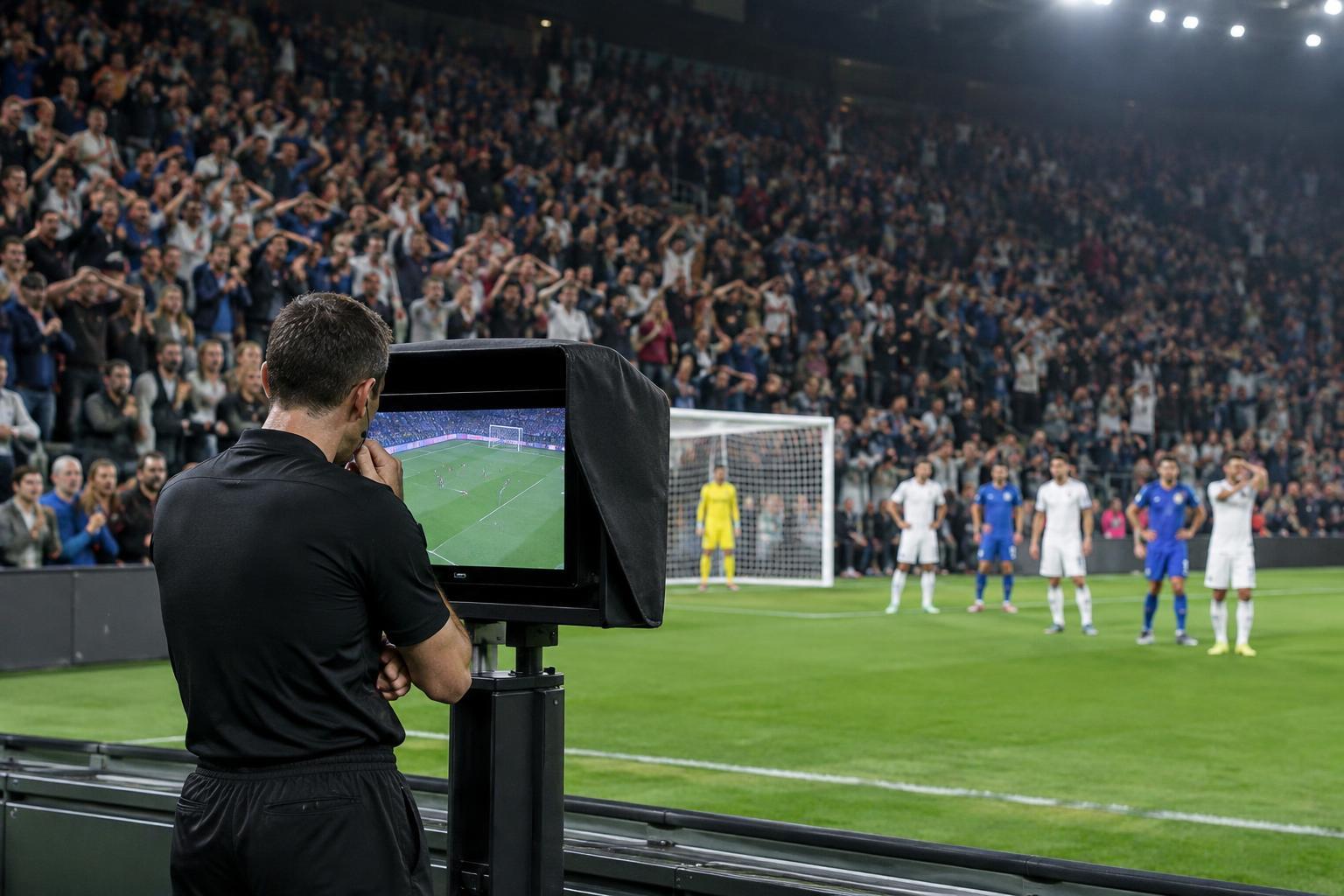
Tournament HistoryVAR changed more than decisions on the pitch. Its arrival at major tournaments altered how referees worked, how supporters watched close calls and how a goal celebration could unfold in a stadium.
Read article · 4 min↗
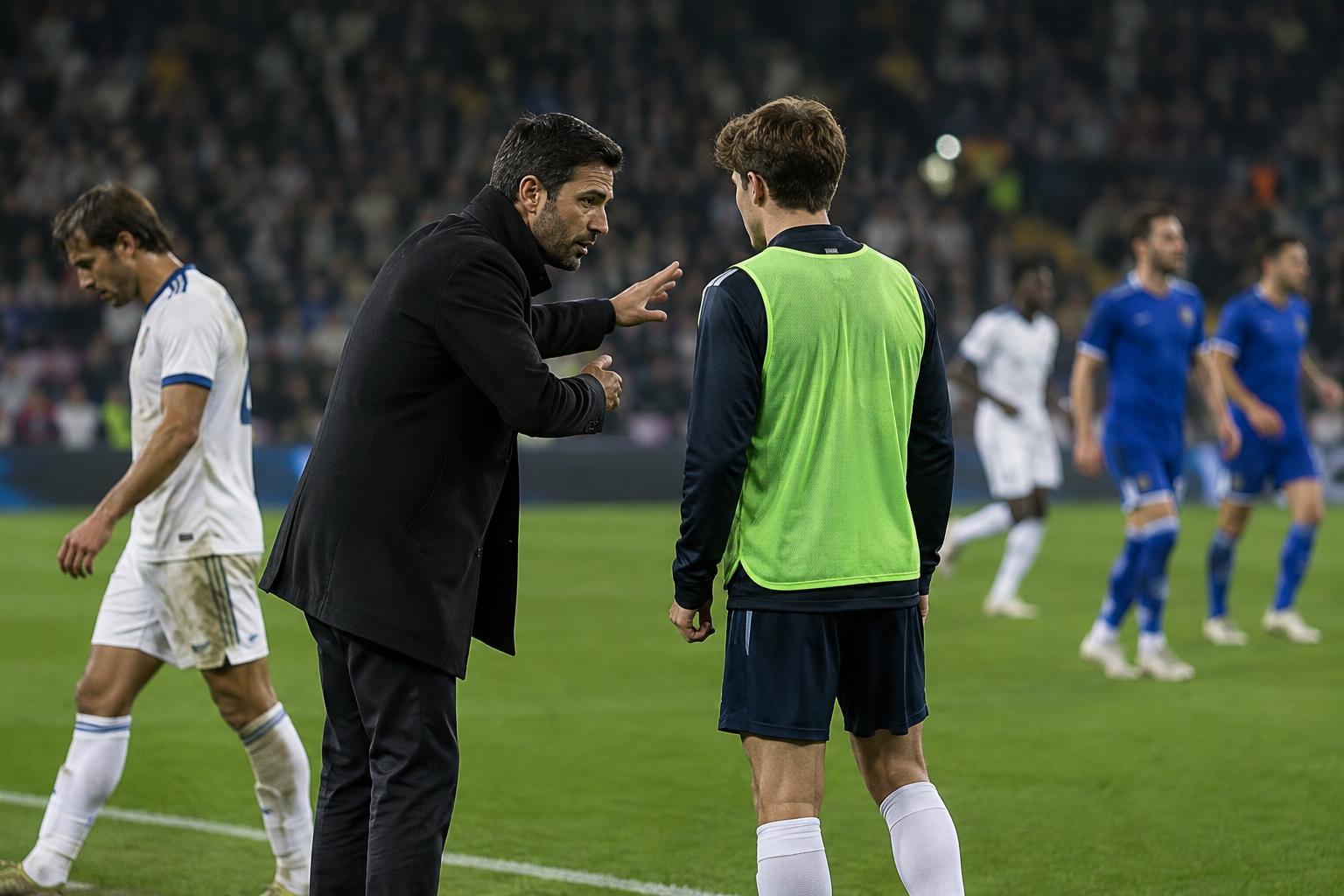
Tournament HistorySubstitutions have turned tournament football into a contest that continues well beyond the starting lineups. From protecting tired players to changing a pressing plan, the bench gives managers more ways to respond as a match unfolds.
Read article · 4 min↗
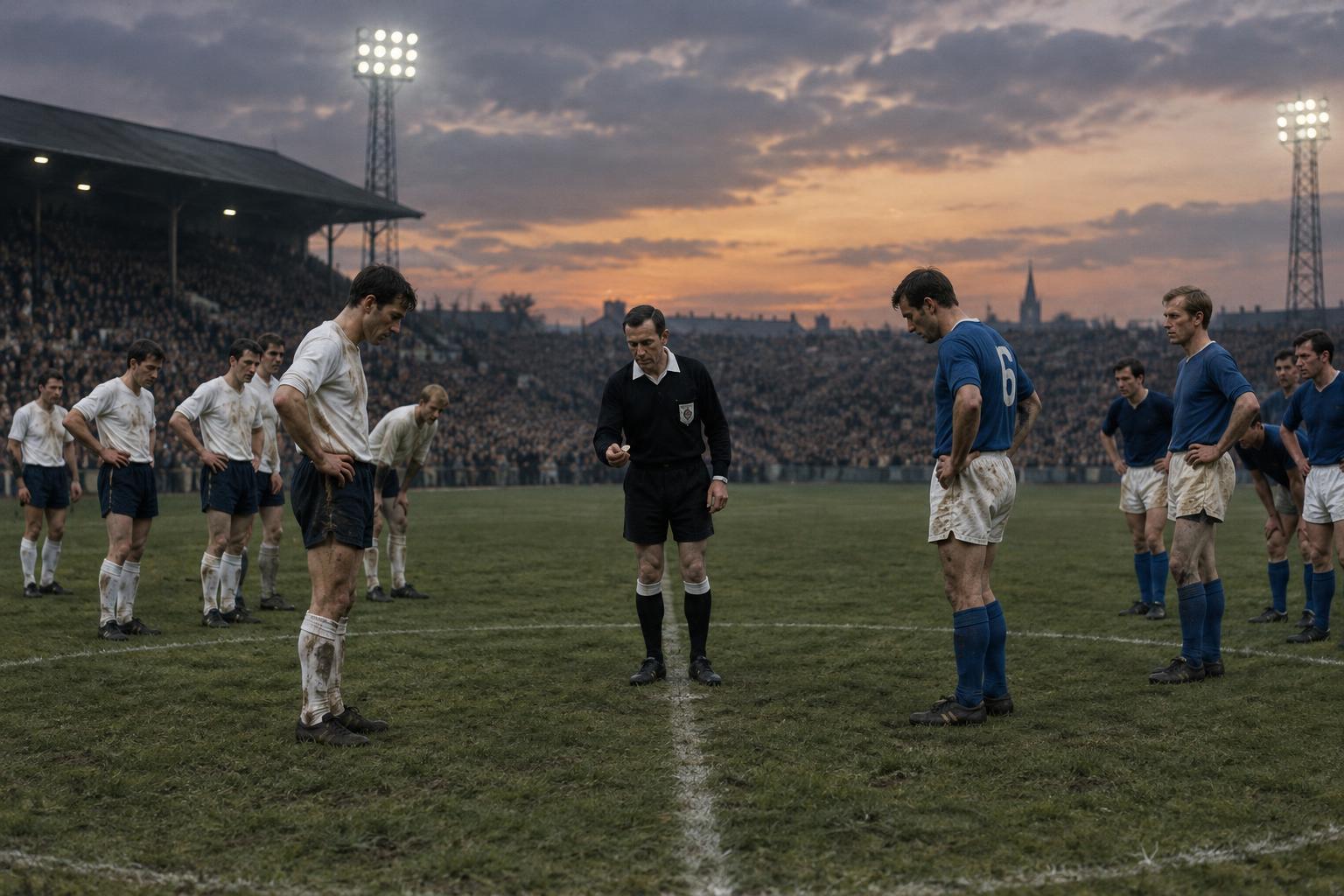
Tournament HistoryA drawn European tie did not always lead to penalties. Replays, extra time, aggregate scores, away goals and even a coin toss all played a part in deciding who went through.
Read article · 4 min↗
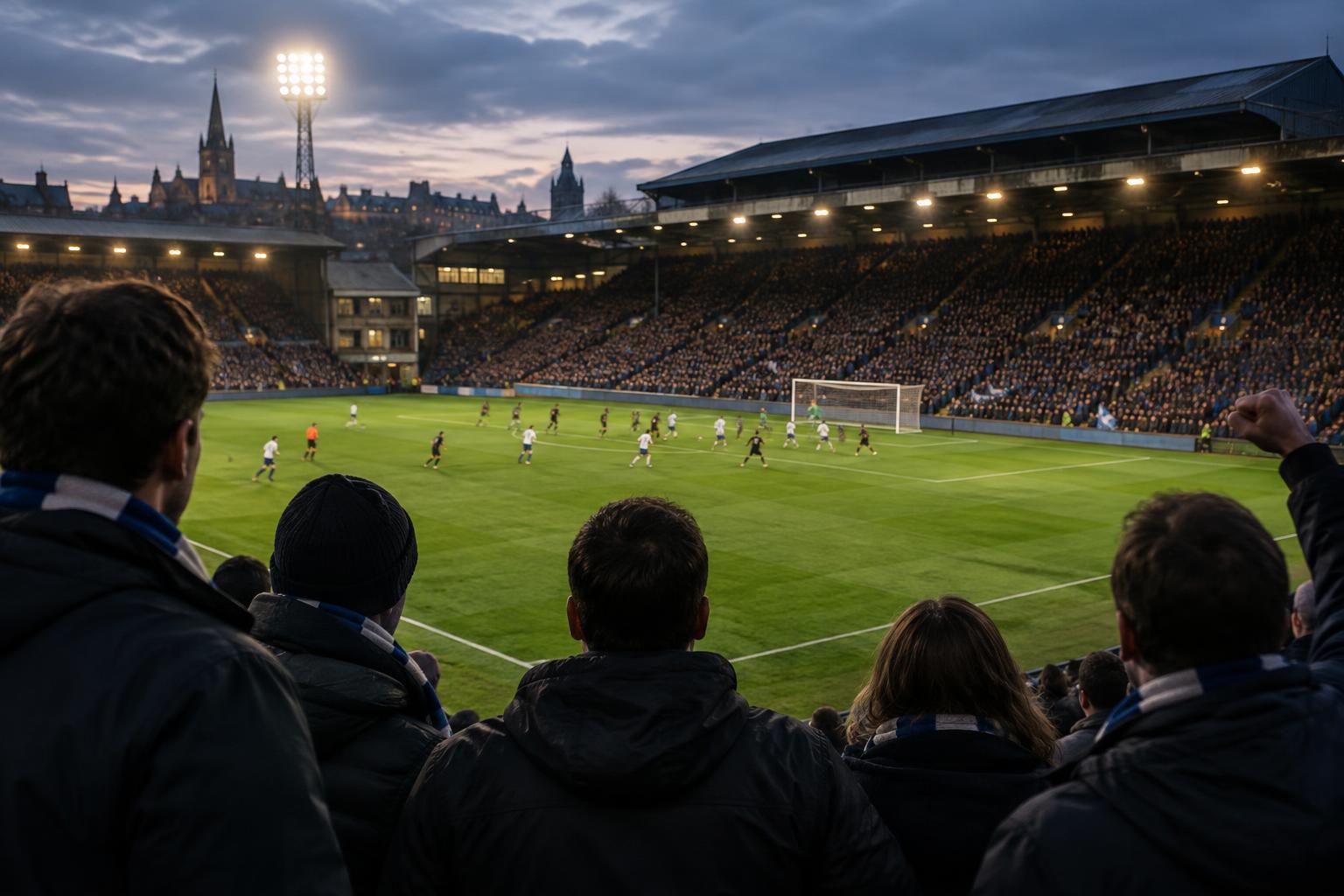
Tournament HistoryFor decades, a goal scored away from home could decide a European tie when the aggregate scores were level. Here is how the away-goals rule worked, why it was introduced, and why UEFA removed it.
Read article · 4 min↗
Tournament HistoryEurope’s leading women’s club competition began as the UEFA Women’s Cup and later became the UEFA Women’s Champions League. Its history is a story of changing formats, wider visibility and the growing place of women’s club football in supporter culture.
Read article · 4 min↗
Tournament HistoryThe Women’s European Championship began with a modest format and grew into a tournament that draws attention across the continent. Its history shows how changes in access, organisation and visibility shaped both the football and the experience of following it.
Read article · 4 min↗
Tournament HistoryThe UEFA Super Cup began as a meeting between winners of different European club competitions. Its opponents have changed as those competitions have changed, but the appeal remains: two successful clubs, one trophy and a useful snapshot of their era.
Read article · 4 min↗
Tournament HistoryFor nearly four decades, Europe’s domestic cup winners had a competition of their own. Here is how the Cup Winners’ Cup worked, what made it distinctive and why it disappeared from the calendar.
Read article · 4 min↗
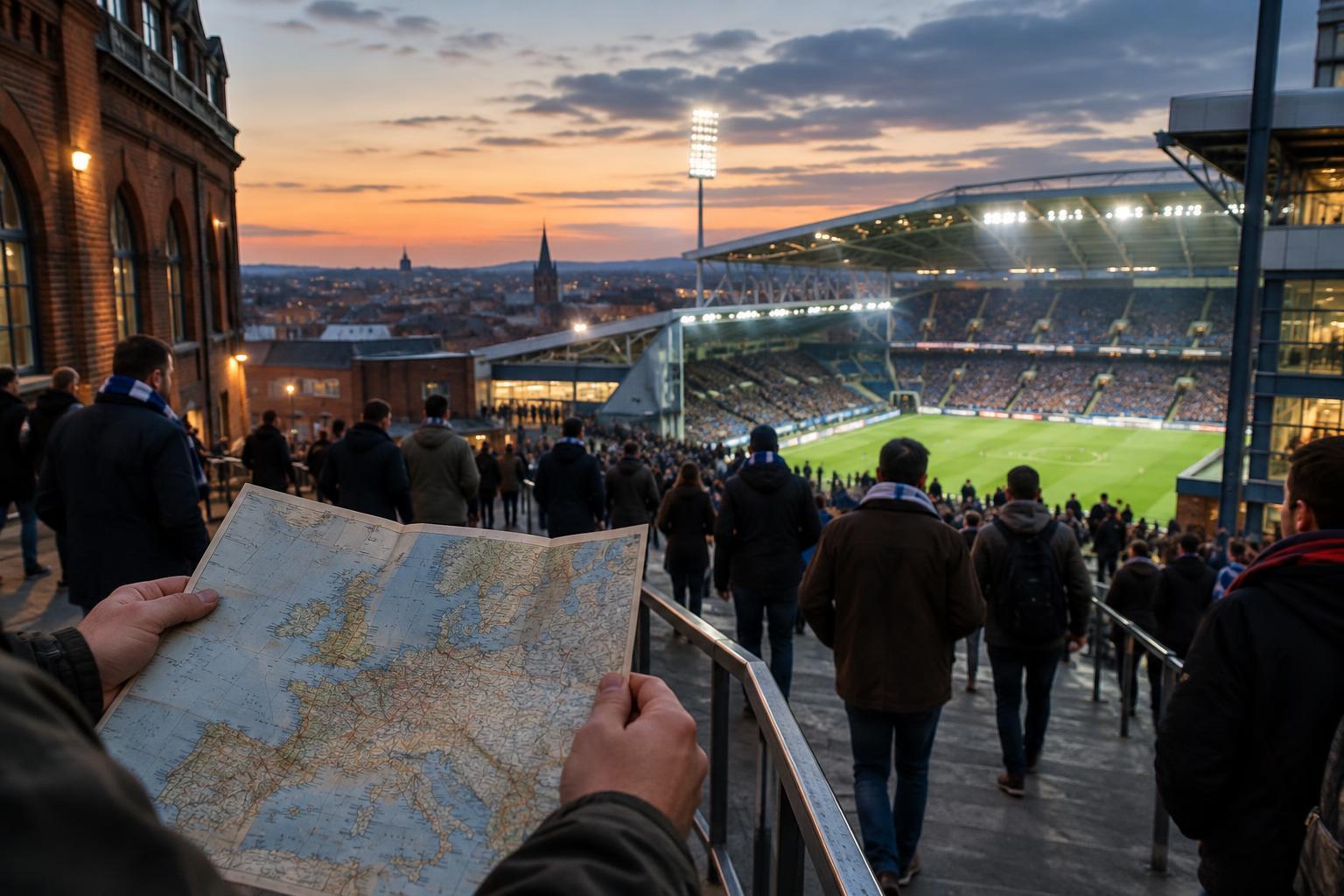
Tournament HistoryThe Europa League has changed its name, format and place in European football, but its appeal still rests on unfamiliar matchups and journeys between cities. Here is how the old UEFA Cup became a distinct part of the continental calendar.
Read article · 4 min↗
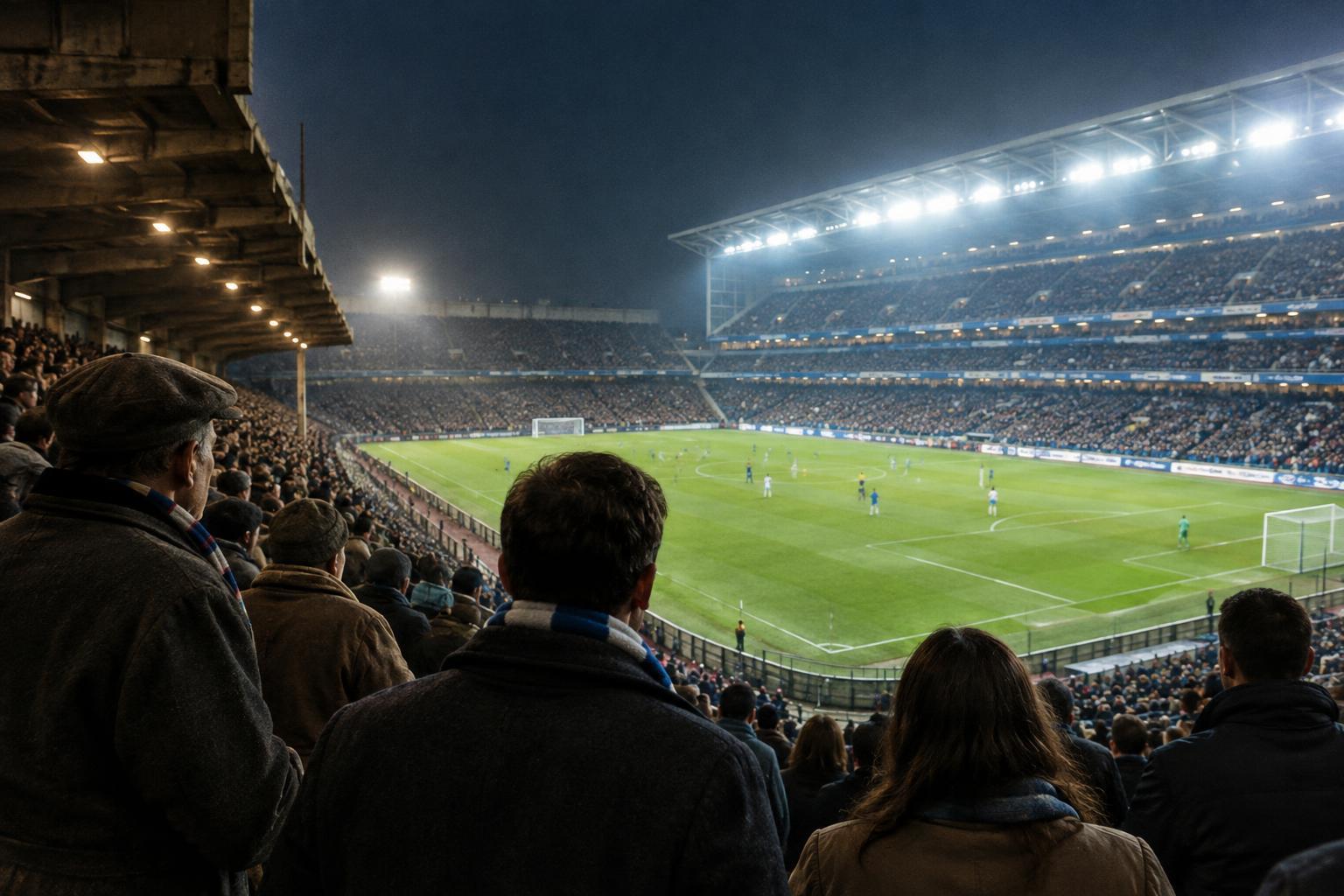
Tournament HistoryThe European Cup became the Champions League in the early 1990s, but the shift was more than a rebrand. The competition changed how clubs qualified, how often they played, how it was presented and how supporters experienced European nights.
Read article · 4 min↗
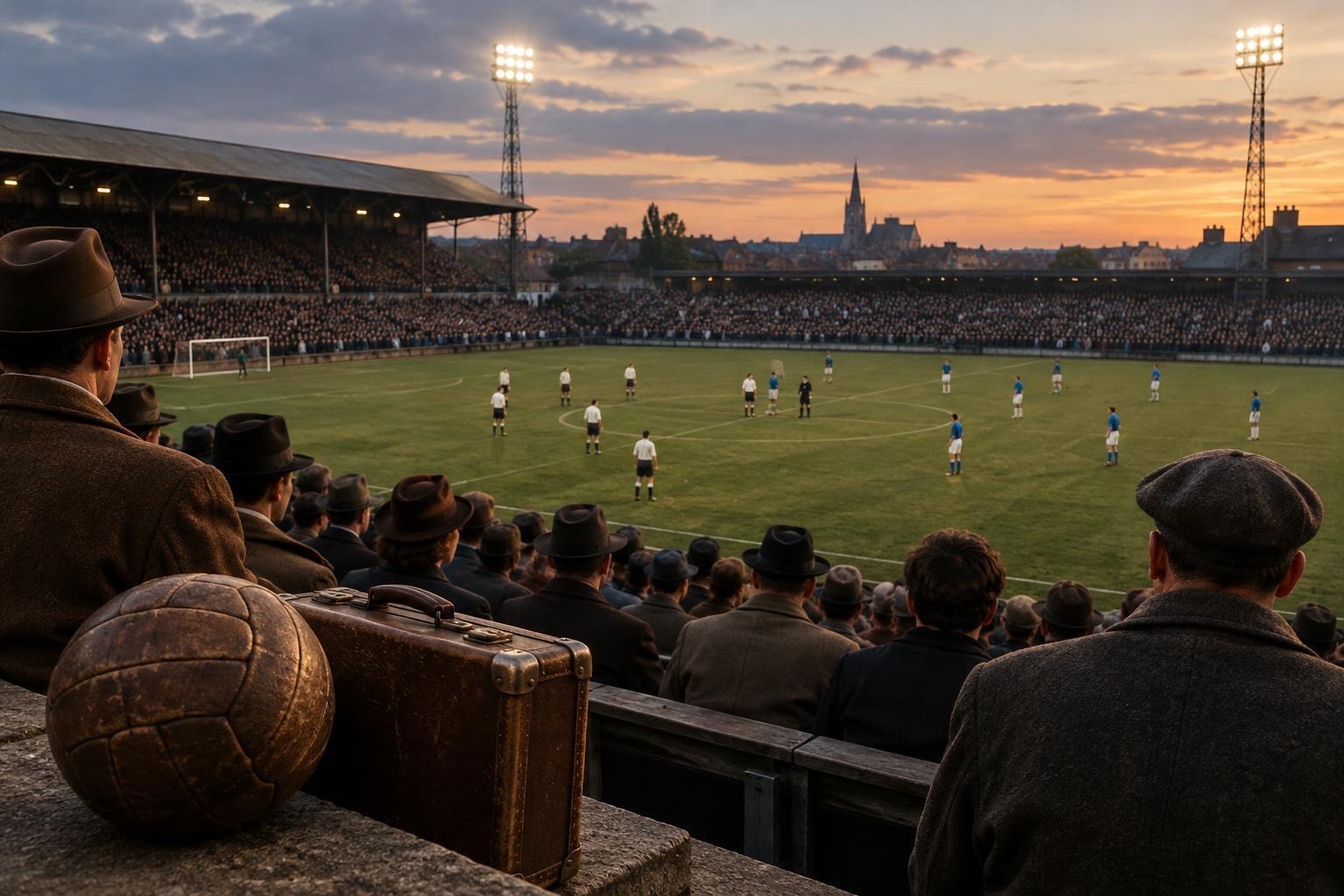
Tournament HistoryThe European Cup began in the 1950s, when clubs, journalists and football administrators saw an opportunity to turn occasional international meetings into a regular competition. Its early years reveal how sporting ambition, travel and growing public interest helped reshape European club football.
Read article · 4 min↗
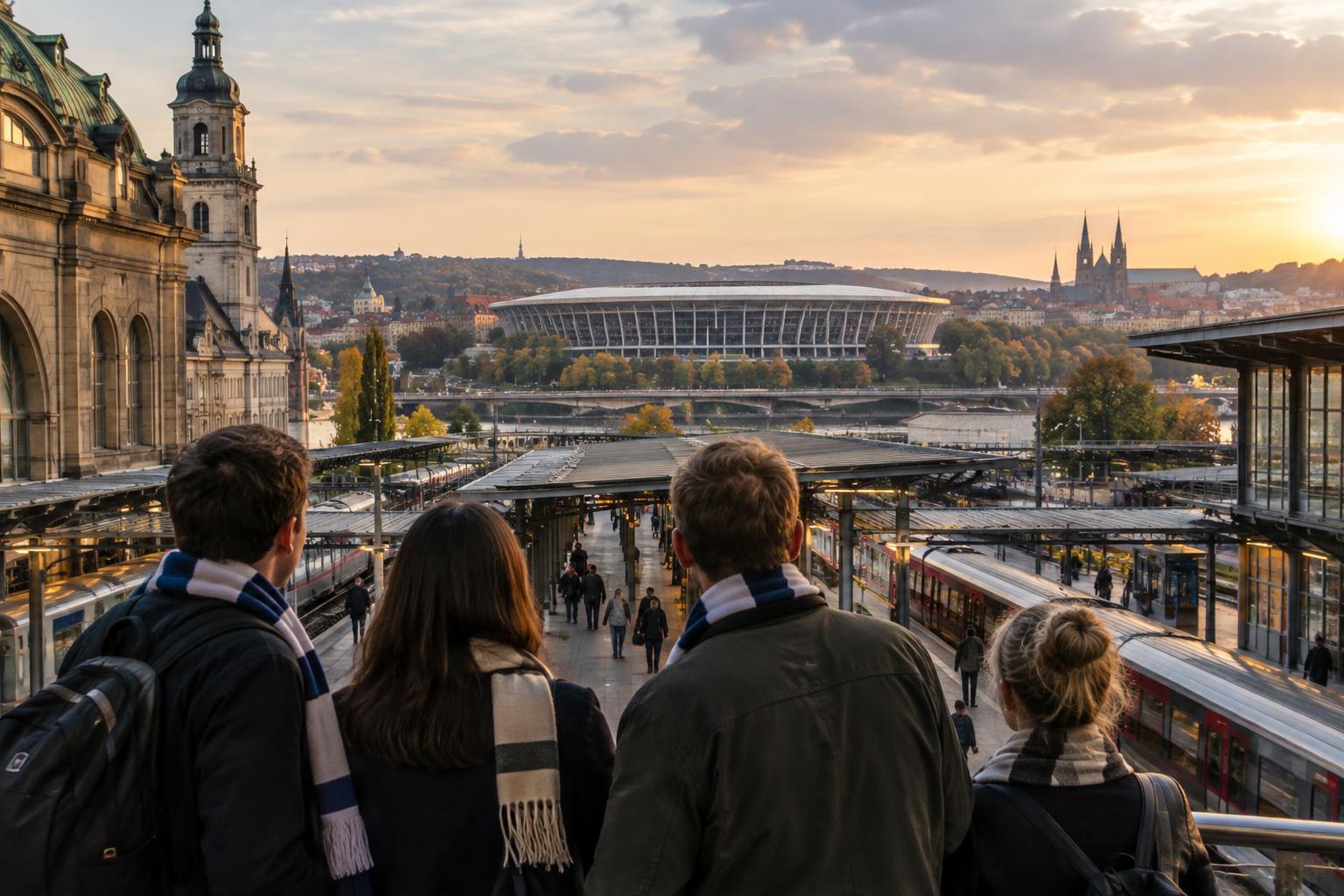
Tournament HistoryFrom compact four-team finals to tournaments spread across borders, the European Championship’s host venues tell a story of growth. Here is how single-country, shared and multi-city hosting shaped the experience of following the competition.
Read article · 3 min↗
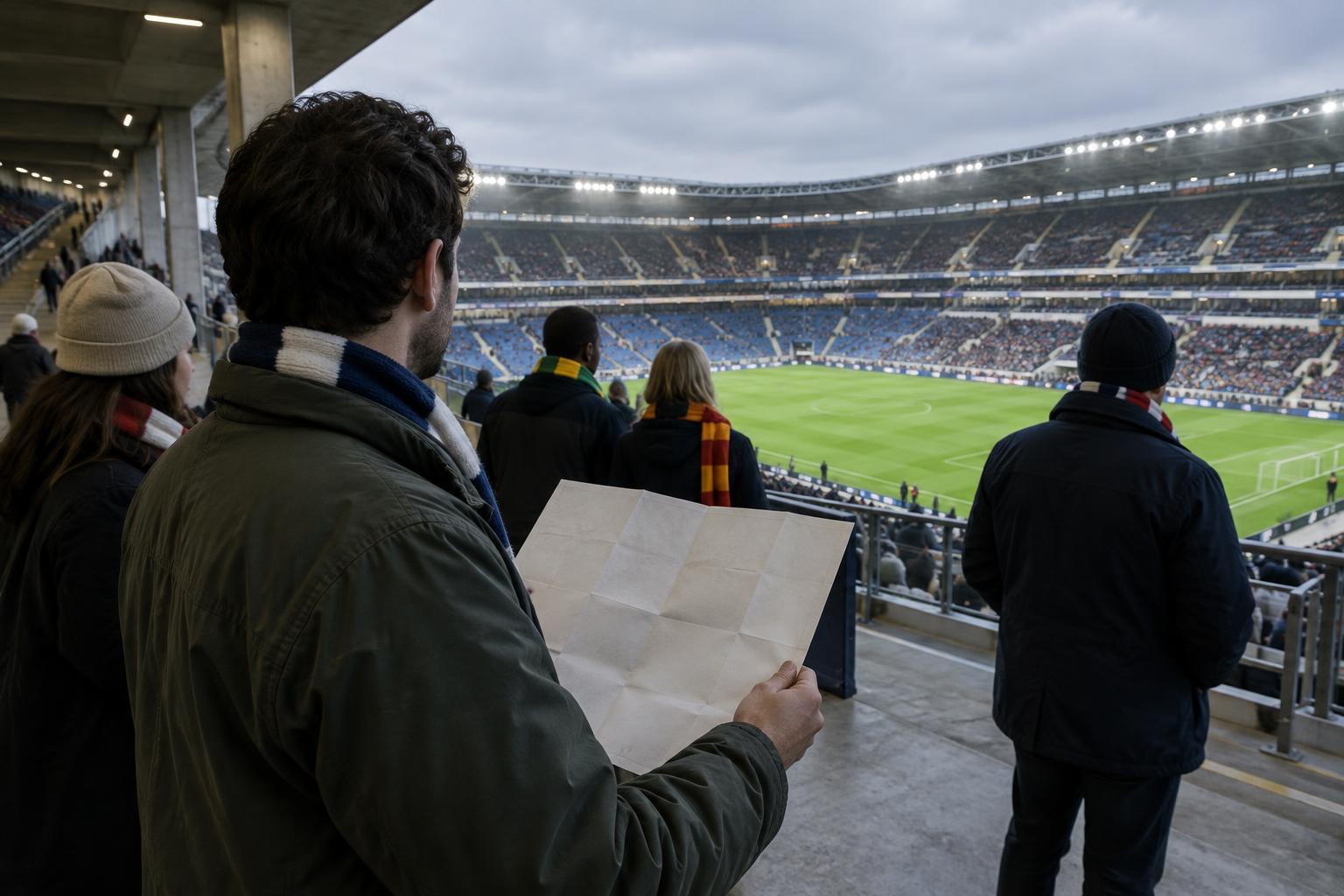
Tournament HistoryEuropean Championship qualifying began as a knockout competition and became a long campaign of groups, direct places and play-offs. Here is how a growing field reshaped the route to the finals.
Read article · 3 min↗
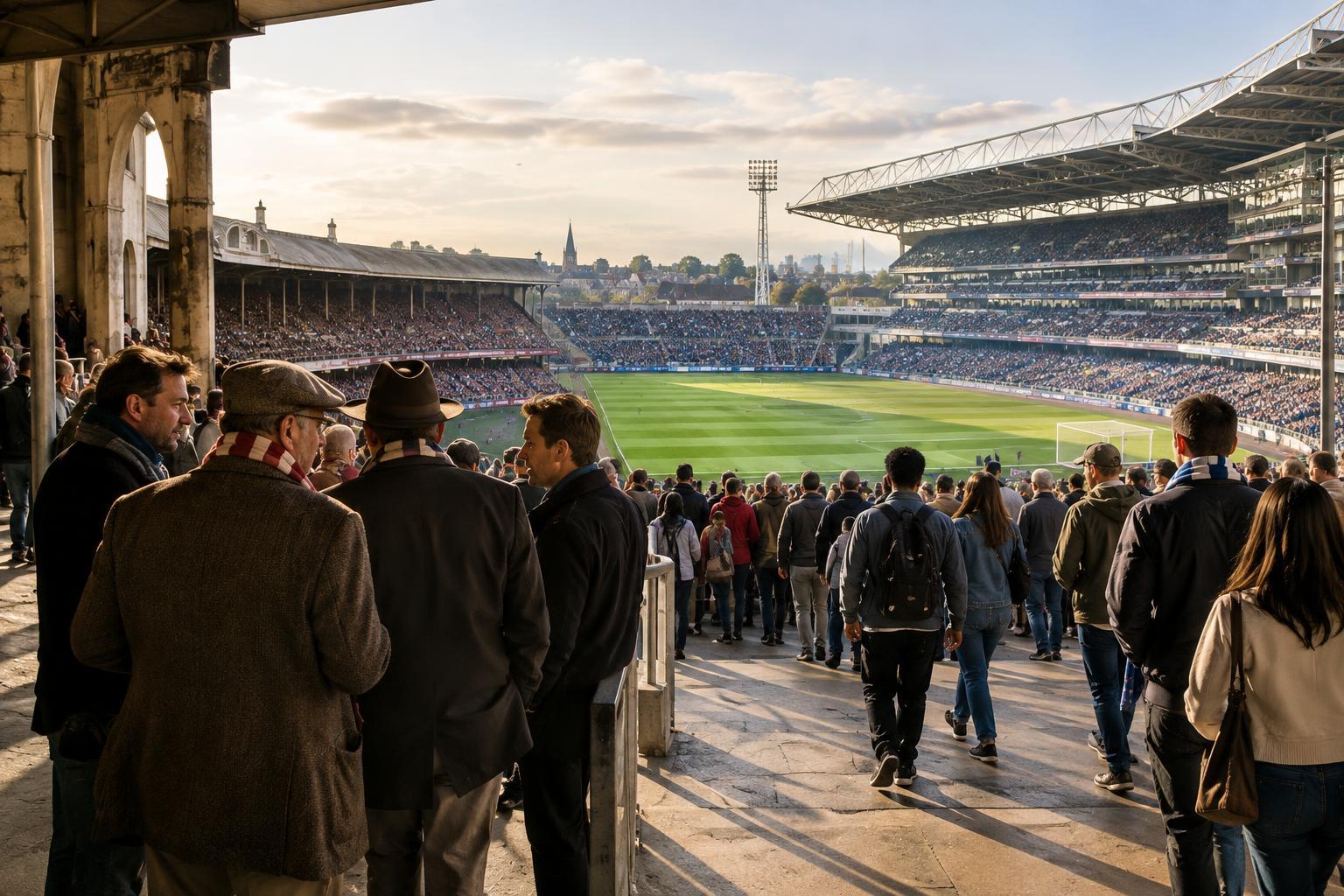
Tournament HistoryThe European Championship did not begin as the month-long tournament familiar to many supporters today. Its finals grew in stages, from four teams to eight, then 16 and 24. Here is how each change reshaped the competition and the experience of following it.
Read article · 4 min↗
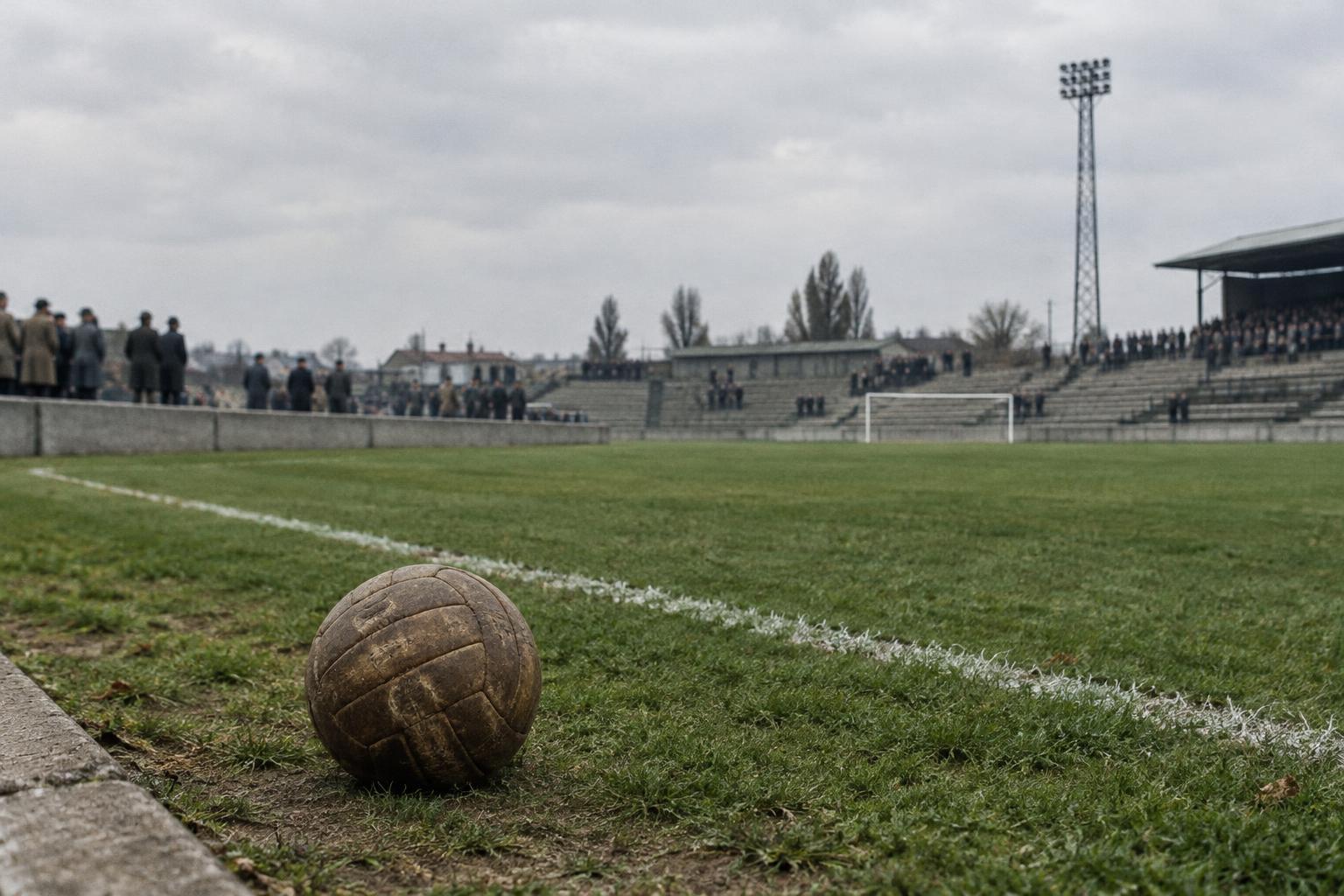
Tournament HistoryBefore the European Championship became a long summer tournament, it was a knockout competition with a four-team final stage. Here is how its earliest editions worked and what they reveal about the competition’s beginnings.
Read article · 4 min↗