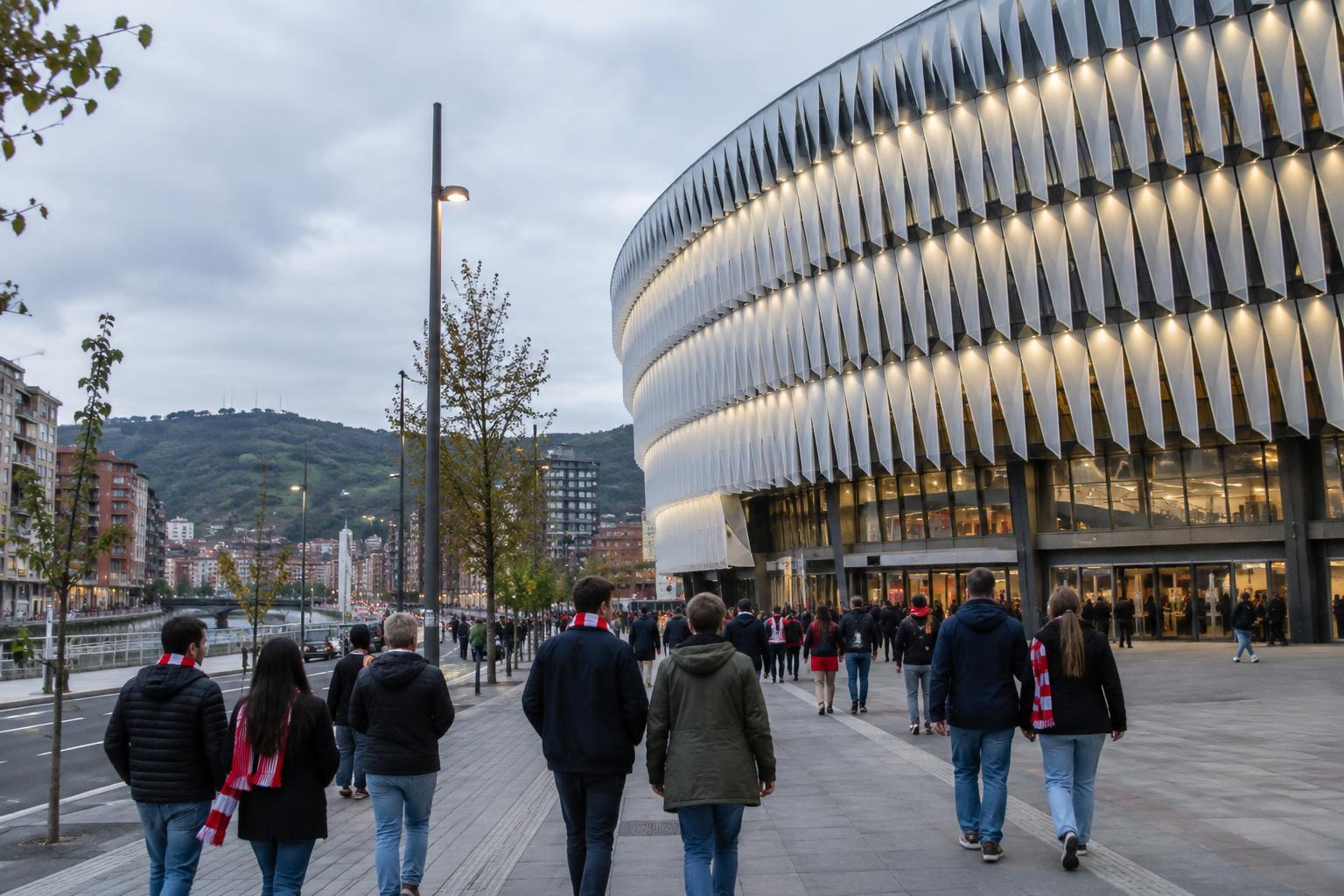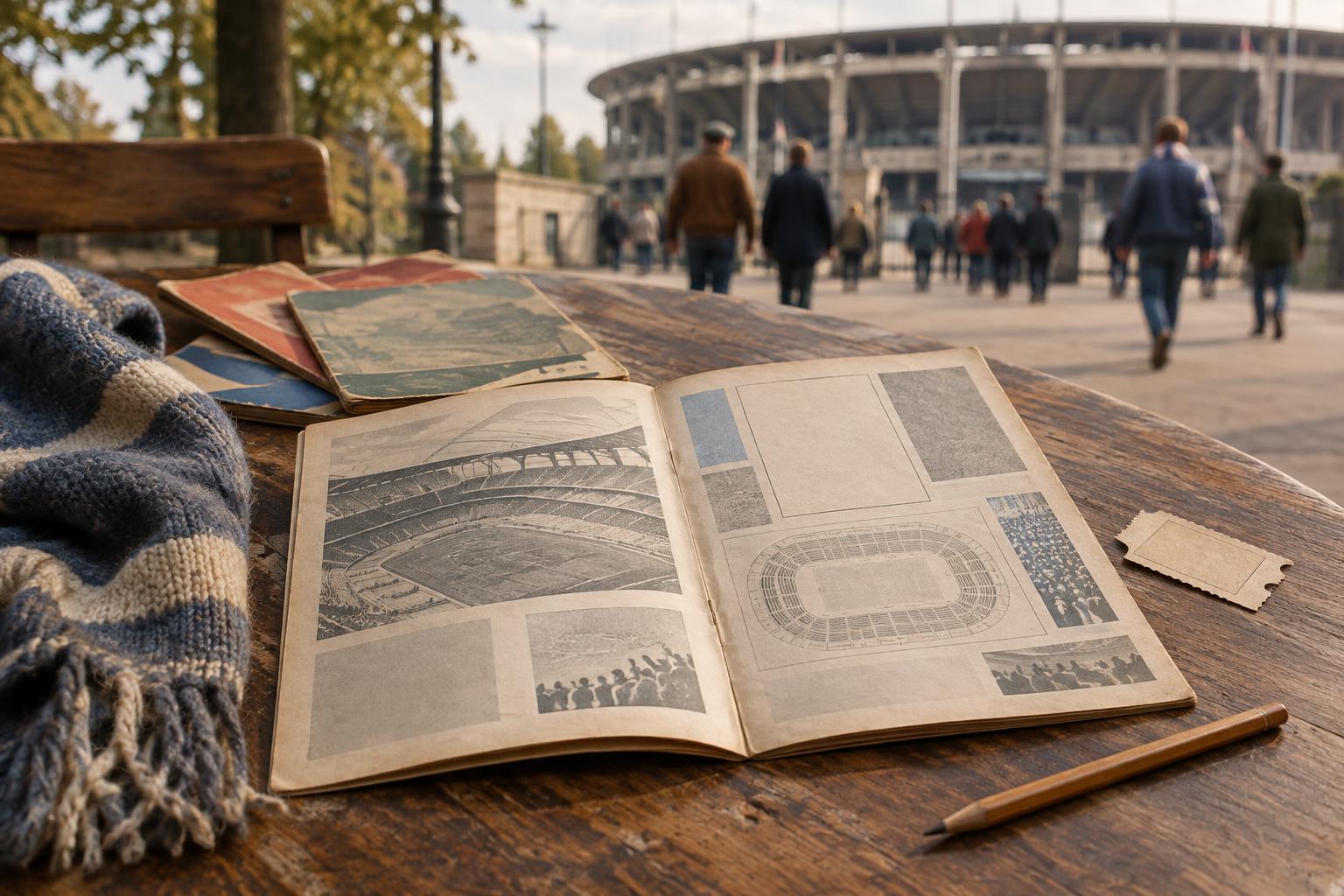
A small guide to a big occasion
For a supporter entering a stadium, a match programme offered something to read before kick-off and something to take home afterward. Its contents varied by competition, venue and organiser, but it might include team profiles, player lists, a stadium plan, photographs and a message welcoming visitors. Looking back at one today, it is easy to see more than a souvenir: it is a record of how a particular football occasion was introduced to the people attending it.
Programmes can also show what organisers thought visitors needed to know. Directions to seats, ground rules or notes about the host city speak to the practical side of matchday. Features about teams and players create a sense of occasion. The balance between these elements may differ from one edition to another, which is part of what makes comparing programmes interesting.
What the pages can—and cannot—tell you
A programme is especially useful for seeing how a match was framed before it happened. A player profile might highlight an established star; an introductory message might emphasise hospitality or sporting rivalry. Advertisements can offer glimpses of the businesses and products associated with the event. Even the choice of cover photograph or illustration says something about the image the publisher wanted supporters to carry away.
It is important, though, not to treat every printed detail as a final account. Programmes often had to be prepared before teams were confirmed, so a listed lineup might not match the players who took the field. A planned ceremony could change, and a stadium diagram might simplify a more complicated journey through the ground. To understand what actually happened, read the programme alongside a reliable match record or another contemporary account rather than asking it to settle every question on its own.
Reading a programme like a visitor
Start with the basics: identify the match, venue, publisher and any price printed on the cover or inside pages. Then imagine arriving without a phone to supply instant updates. Which pages would help you find your place, recognise the players or follow the competition? Which assume you already know the teams and their histories? These questions make the programme easier to understand as a useful object, not just a collection of old names.
Pay attention to what is missing, too. A short profile of the visiting team may tell you less about that team than about the intended audience. A programme devoted largely to photographs may have served a different purpose from one filled with detailed notes. Neither is automatically more authentic. Each reflects choices about space, printing, audience and the story the publisher wanted to tell.
Building a thoughtful collection or comparison
You do not need a rare item to explore this corner of football history. A programme from an ordinary group match can be as revealing as one from a final, particularly if you are interested in a venue, a national team or the experience of travelling supporters. Comparing two programmes from different host cities can bring out differences in visitor information and local presentation. Comparing editions from different periods can raise questions about design and the way players were introduced.
If you buy a physical copy, check its condition and description carefully. Reproductions and later commemorative editions can be enjoyable in their own right, but they are not the same as an item printed for the matchday crowd. Keep a note of where your copy came from, and store it away from moisture and direct sunlight if you want to preserve it.
The reward is not simply owning a piece of paper connected to a famous result. A programme invites you to pause before the whistle, when the outcome was still unknown. Read with that moment in mind, and its maps, messages, portraits and advertisements become clues to the wider experience of a European football match.