Why pack hearing protection for a match?
The sound of a crowd is part of a football trip. Chants build across the stands, a goal brings a sudden roar, and whistles or public-address announcements can cut through the noise. How loud a match feels depends on the ground, your seat, the crowd and your own sensitivity. A covered stand or a place near speakers may feel different from an open corner of the stadium.
Hearing protection is a small item to pack if you find loud sound tiring or uncomfortable, or if you are taking a child who may want a break from it. You do not have to wear it throughout the match: having it ready gives you a choice when the atmosphere changes. If sound causes pain, or ringing or muffled hearing persists after the game, seek advice from a qualified healthcare professional.
Choosing between foam and reusable earplugs
Soft foam earplugs are light, inexpensive and easy to carry as spares. They need to be fitted correctly to work well: with clean hands, compress the plug as its instructions describe, place it gently in the ear and allow it to expand. A plug that sticks far out or falls loose may not be sealing well. Never force a plug into an ear.
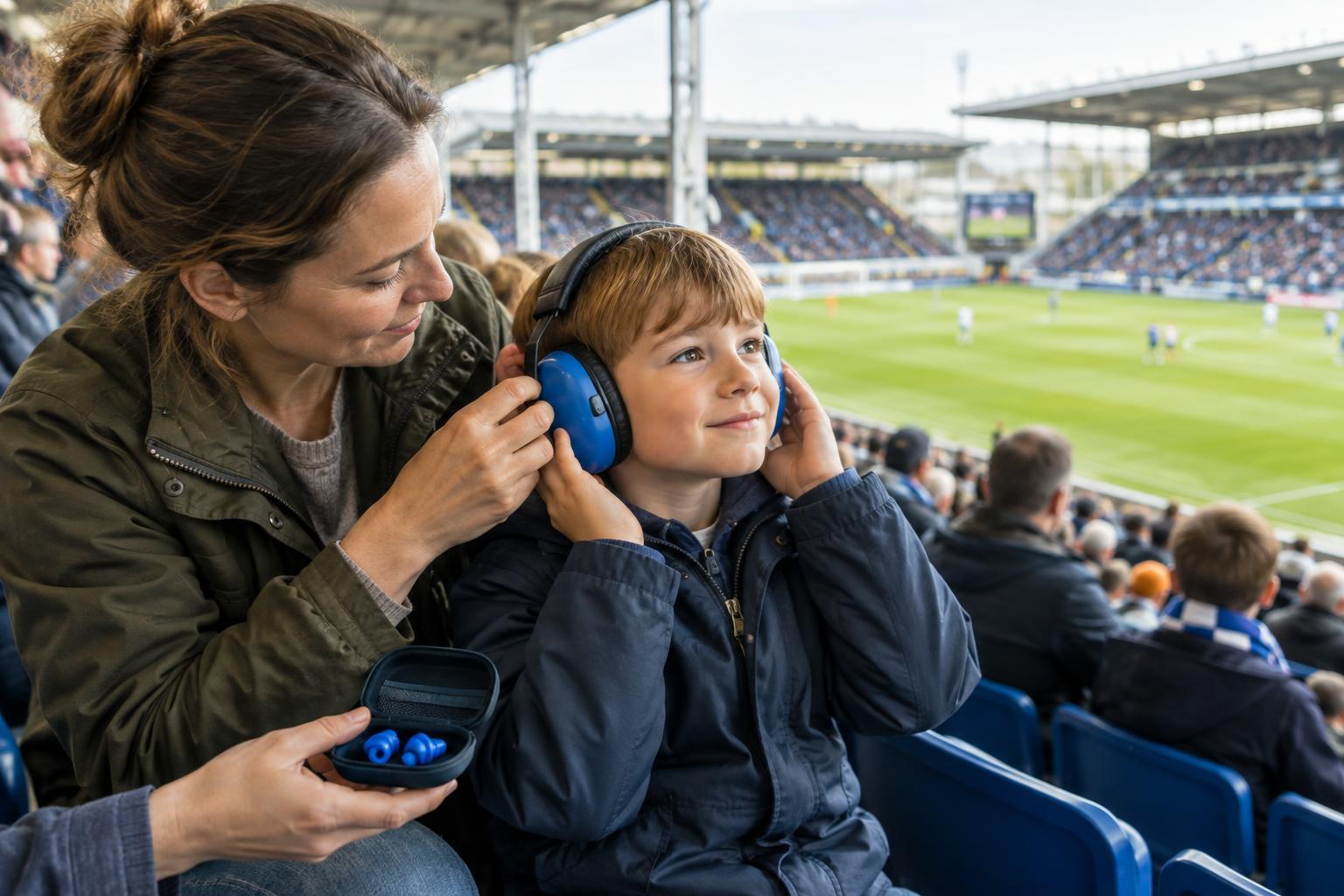
Reusable earplugs may suit frequent matchgoers who prefer a consistent fit. Some are designed to reduce sound while keeping speech and music relatively clear, which can make chants and conversations easier to follow than with some foam plugs. Results vary by fit and design, so try a pair in an ordinary noisy setting before relying on it for a trip. Follow the maker’s cleaning and replacement guidance, and keep plugs in a clean case between uses.
Packaging may show a noise-reduction rating, but that number is not a promise of how much quieter a stadium will sound to you. Fit matters greatly. For either style, aim for a comfortable seal that takes the edge off the noise while still letting you notice companions, announcements and movement around you.
What works for children?
For many younger children, over-ear protective earmuffs are a more straightforward option than small earplugs. They avoid putting a small item in the ear and are easy to take off if the child needs a break. Check the manufacturer’s stated age and size guidance, and look for a snug, comfortable fit. Hats, glasses or hair caught beneath the cushions can leave gaps that reduce their effectiveness.
An older child may be comfortable with earplugs, but adult-sized plugs can be too large. Choose a product intended for the child’s age and fit, supervise its use, and treat small parts as a choking hazard around younger children. Do not force a child to wear protection that hurts or does not fit. For babies or children with ear concerns, ask an appropriate healthcare professional about suitable options rather than assuming a particular product is safe.
Let children try their protection at home before the journey. Wearing it for a short, calm period can help them get used to the sensation. At the ground, agree on a simple signal they can use if the sound or fit becomes uncomfortable.
Build hearing protection into your matchday routine
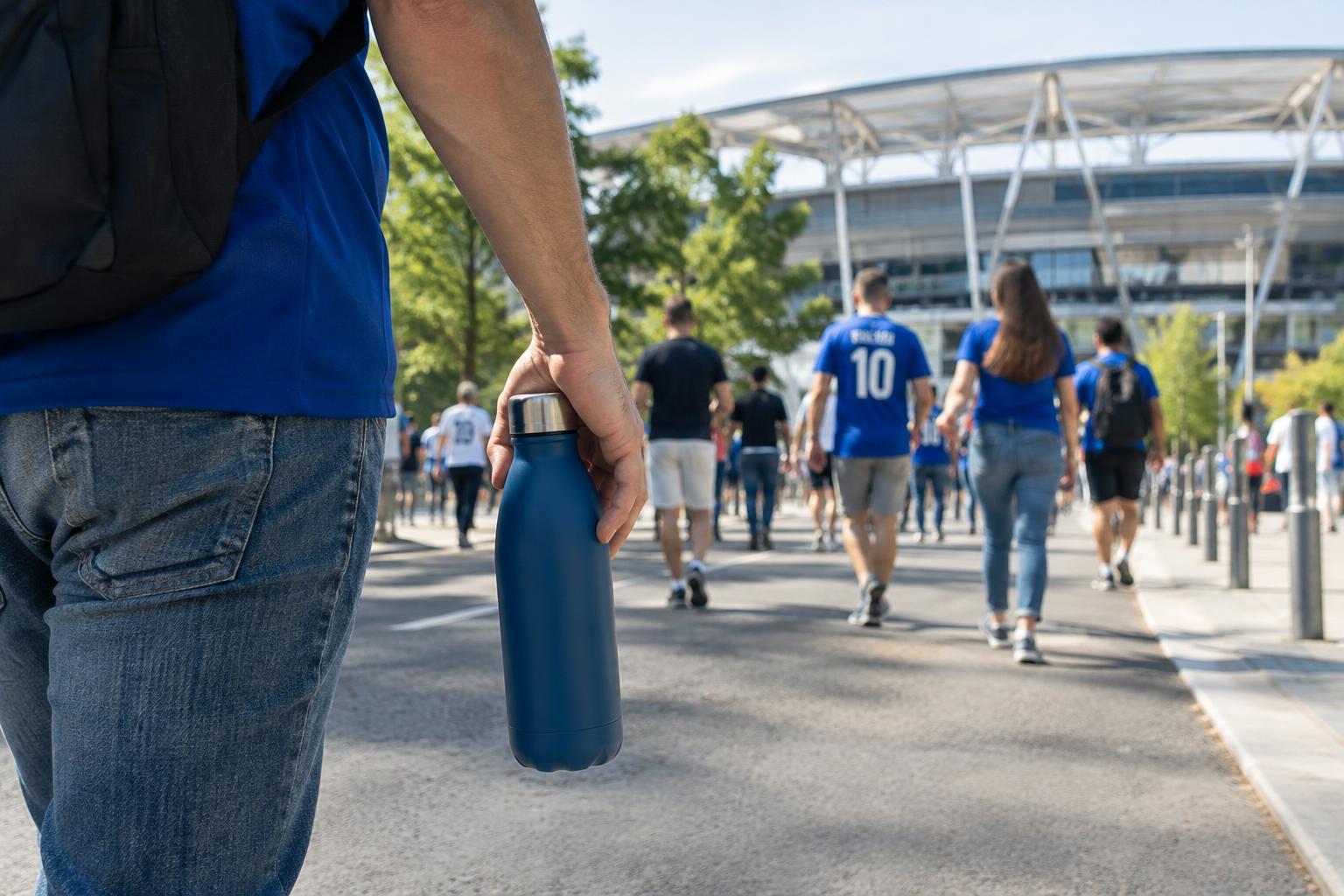
Put earplugs or earmuffs somewhere accessible, not at the bottom of a tightly packed bag. Carry a clean spare pair of plugs if you use them, and check the ground’s bag rules before leaving. If you are travelling with children, put their protection on before entering a particularly noisy concourse or stand, rather than waiting until they are distressed.
Protection should not replace awareness. Keep an eye on signs, stewards, your group and the exits; do not rely on hearing every announcement through a loud crowd. If you need to speak to a child or companion, move somewhere calmer when possible instead of pulling out plugs in the middle of a roar. After the match, clean or dispose of your equipment as directed and note what felt comfortable. A little preparation can make it easier to enjoy the songs and celebrations on your next football trip.