A bracket begins before the first match
A tournament bracket is often presented as a tidy line from opening match to final. Its shape, though, is partly decided before anyone takes the field. Organisers choose a format, decide how entrants will be divided and publish rules for placing teams in a draw. Those decisions affect which opponents can meet early, which routes through the competition are possible and how much a single result can change the picture.
The first question when reading an old European tournament bracket is therefore not simply “Who played whom?” It is “What rules produced these matchups?” National-team championships and club competitions have used different formats, and those formats have changed over time. A knockout-only event, a group stage followed by fixed knockout pairings and a competition that conducts another draw after each round can produce very different journeys, even when the same teams take part.
What seeding does—and does not do
Seeding is a way of distributing selected teams across a draw rather than leaving every placement to chance. Depending on the competition and edition, organisers might use previous results, a ranking system or a host designation to determine placements. Seeded teams may be assigned to separate groups or placed in different parts of a knockout draw. The aim is usually to influence the balance of the opening stage, not to guarantee anyone an easy route.
Being seeded does not remove uncertainty. A lower-ranked team can be difficult to face, and a group that looks manageable before a tournament can become demanding once matches begin. Seeding can also matter differently at different stages: an initial draw may separate leading teams, while a later knockout round may follow a fixed path based on group finishing positions. To understand a particular historical bracket, check what the seedings controlled rather than assuming they applied all the way to the final.
The draw turns rules into a route
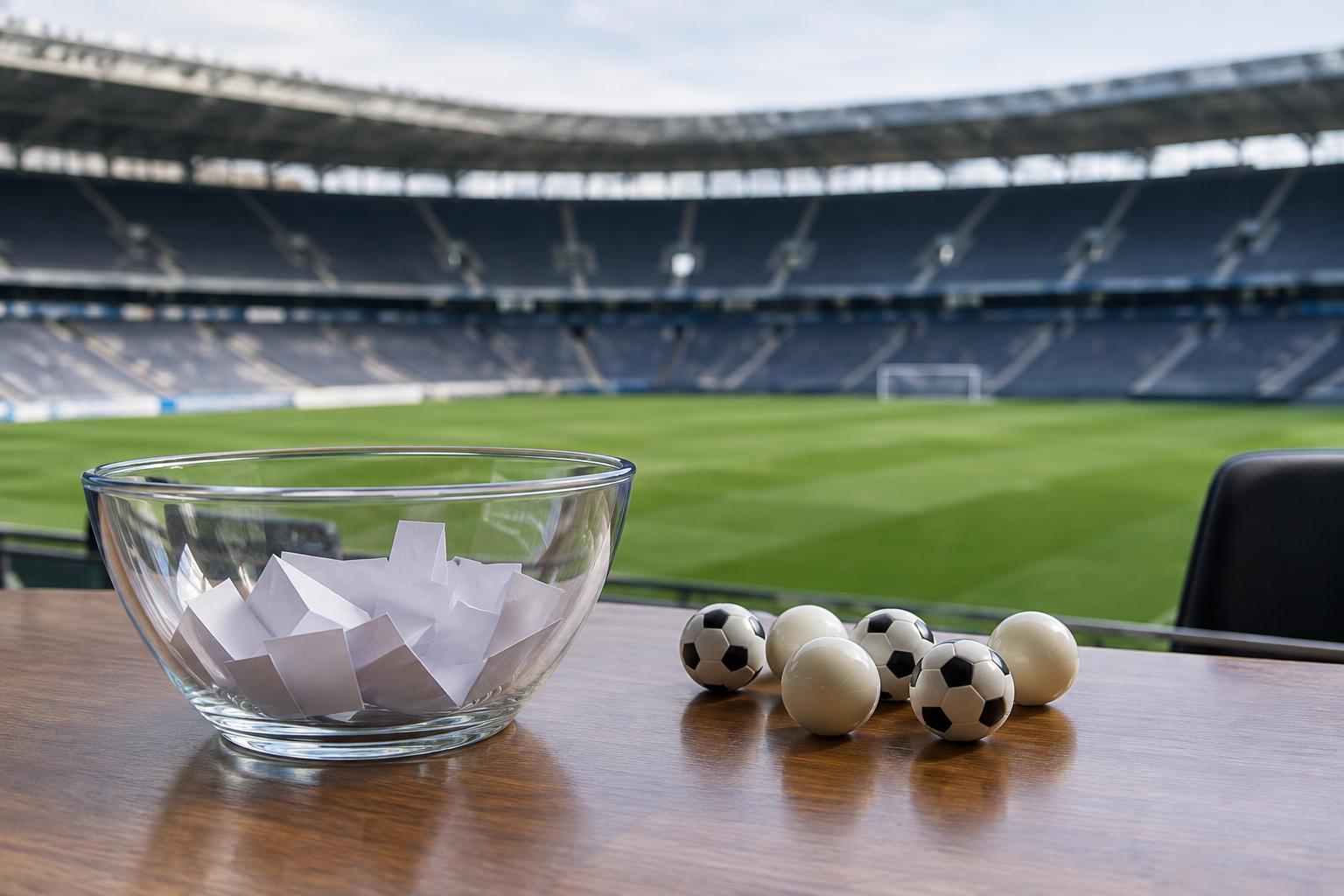
A draw assigns teams to the available places within the tournament’s rules. Some competitions use pots, with teams drawn from each pot into groups. Others add restrictions, such as preventing certain teams from sharing a group or setting limits on where they can be placed. These conditions mean that a draw is not always a choice among every remaining slot. As spaces fill, the available options for later teams may narrow.
That matters when looking back at a supposedly fortunate or unfortunate pairing. Two teams might not have been eligible to meet in the opening stage, or a particular group position might have carried a known knockout route. The draw still introduces chance, but it operates inside a designed structure. A useful way to read a historical draw is to separate the rules, which organisers set in advance, from the team placements, which the draw determined.
Group results can redraw the story without a new draw
In many group-to-knockout formats, the next opponent depends on where a team finishes in its group. A winner may be assigned to face a runner-up from another group, while a second-place finish leads elsewhere. Where a format also admits some third-place teams, the final set of qualifiers can affect which pairings are possible. The published bracket may look fixed, but the names filling its spaces remain uncertain until the group stage is complete.
Small shifts in group position can therefore change a team’s route sharply. A late goal may alter the standings and send a side into a different section of the bracket. That does not necessarily make one path easier: strong teams can finish second, and perceived favourites can exit early. It does explain why supporters planning travel around a potential knockout match often face uncertainty over both opponent and destination until qualification and placement are settled.
How to read an old bracket fairly
Start with the format used in that edition. Note how many teams entered each stage, whether there were groups, whether any teams received byes and whether knockout pairings were fixed or drawn again. Then identify what seeding determined. Did it separate teams in the opening draw, place them directly into bracket positions or affect a later round as well? Finally, follow the actual results through the slots created by those rules.
This approach avoids judging an old tournament by the rules of a newer one. It also gives more texture to a football trip or a visit to a host city: a match is not just a meeting of two teams, but the end of several paths through the same competition. Seeding set some boundaries, the draw placed teams within them, and performances decided who remained to use the route ahead.