A name from the tournament’s beginnings
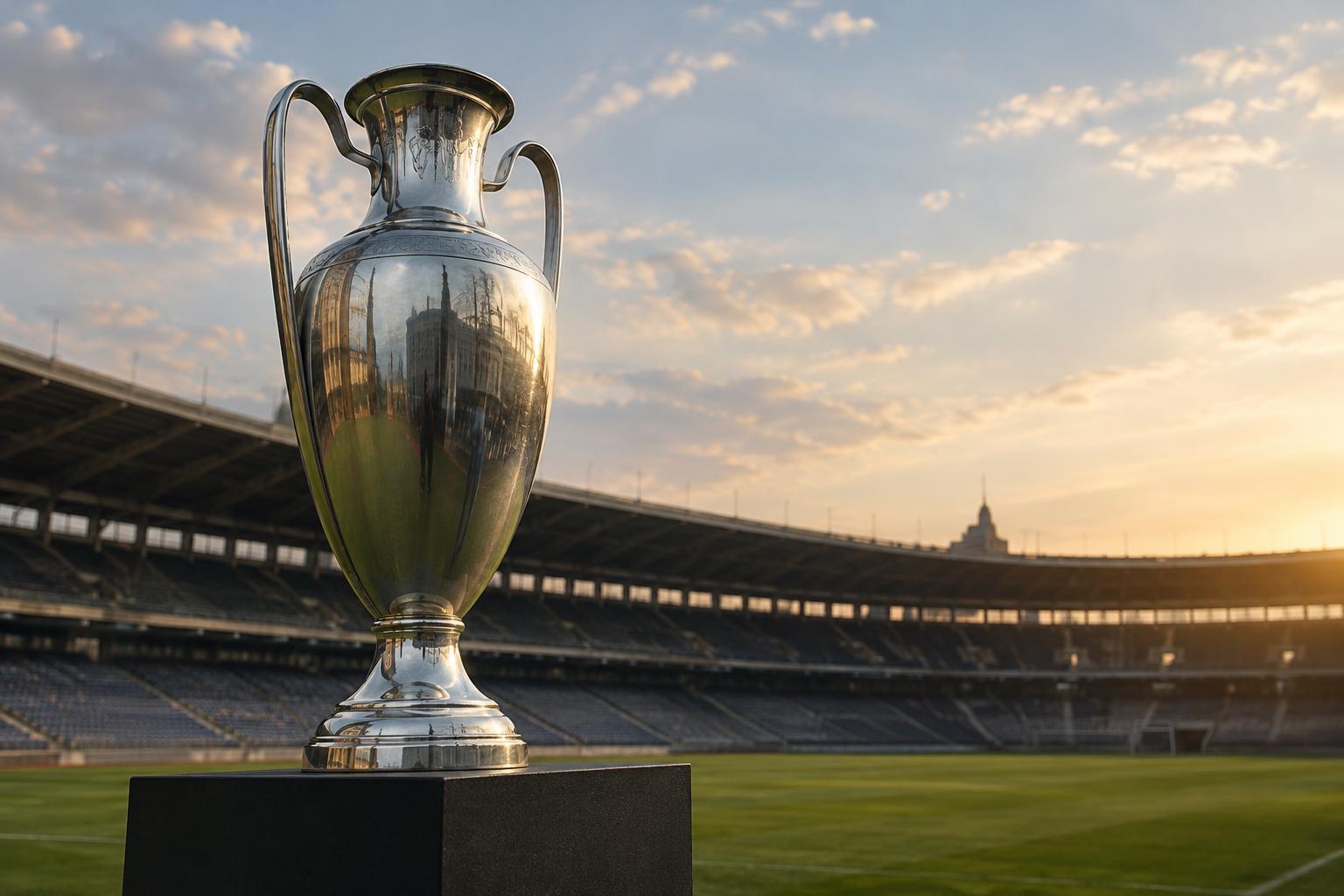
When a team wins the men’s UEFA European Championship, its captain lifts the Henri Delaunay Trophy. The name is more than a dedication on a cup: it points back to the effort required to establish a regular competition for Europe’s national teams.
Henri Delaunay was a French football administrator and UEFA’s first general secretary. He was a prominent advocate for a European national-team competition, although he died in 1955, before the first edition took place. Naming the trophy after him linked the new tournament to one of the people who had helped argue for its existence. It also gives supporters a way to connect a familiar final-day image—the trophy raised above the players’ heads—with a less visible part of football history.
From an idea to a European champion
The competition began as the European Nations’ Cup. Its first edition concluded in 1960, with the Soviet Union beating Yugoslavia in the final in Paris. The winners received a prize named for Delaunay, making his contribution part of the tournament’s story from the outset.
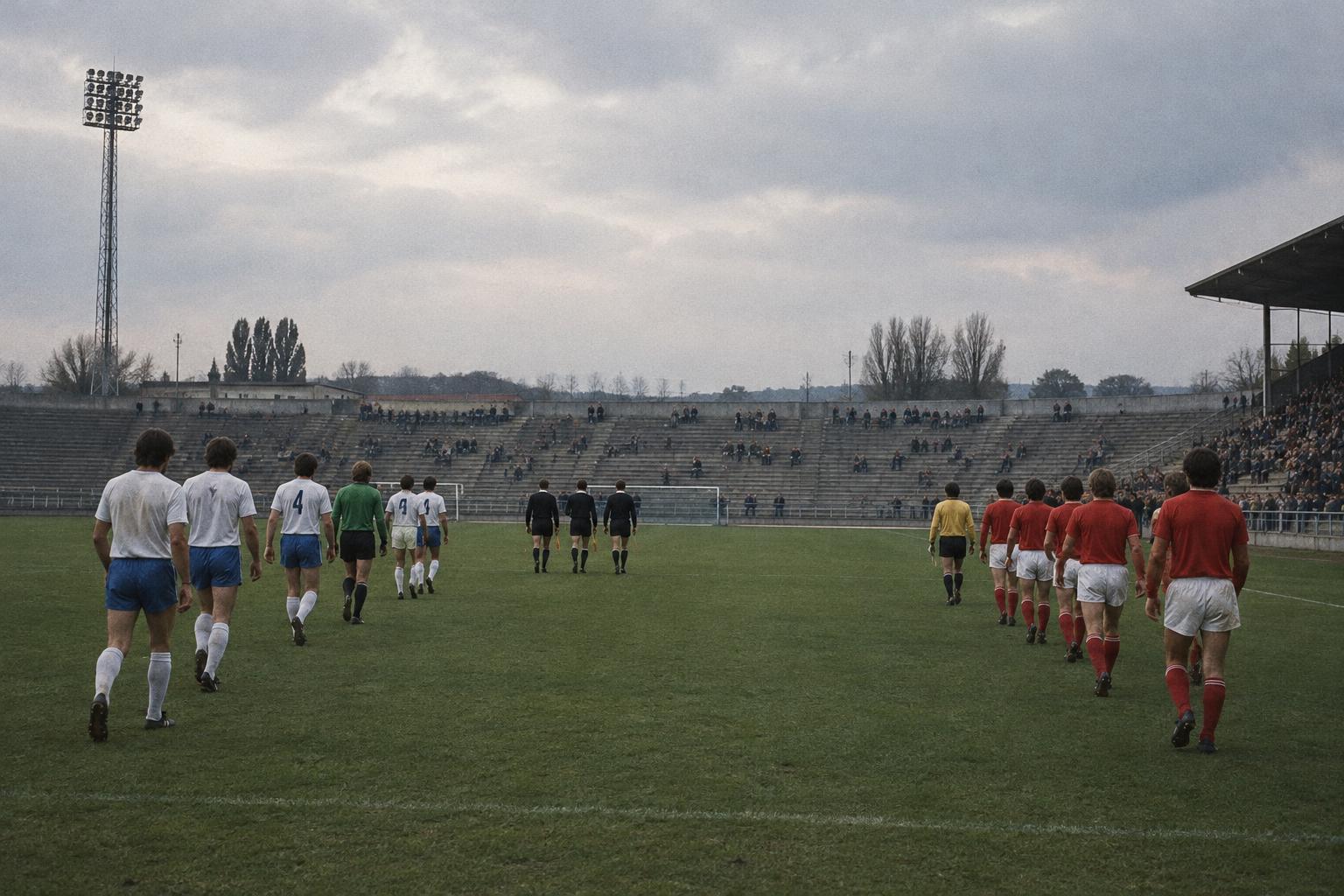
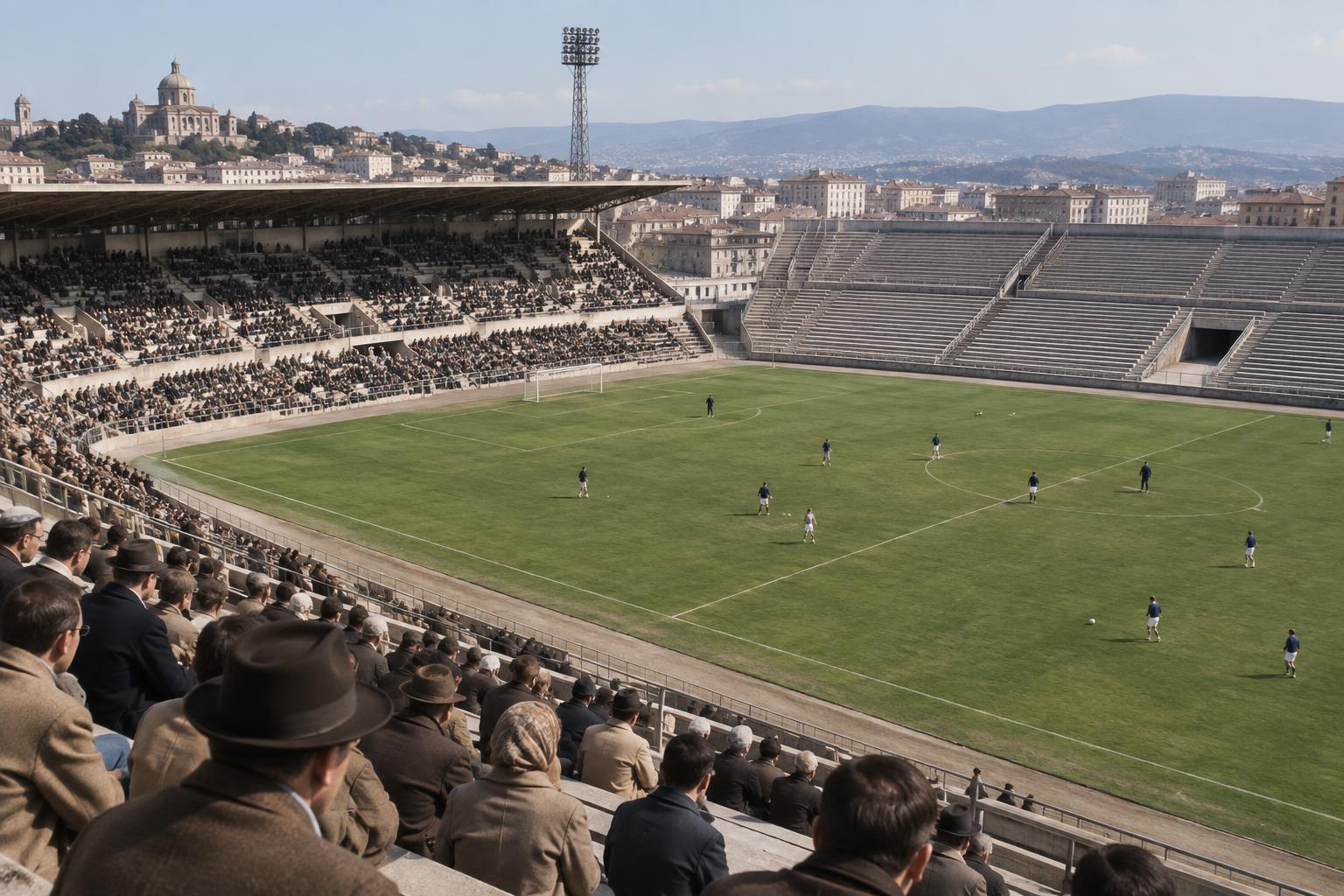
The early championship looked different from the event many supporters know today. Only four teams reached the final stage of the 1960 competition. The tournament later adopted the European Championship name and grew over successive editions, eventually bringing more teams and host cities into its final stage. Through those changes, the trophy remained a constant symbol of what teams were competing to win.
That continuity matters because tournament history is not just a sequence of results. Formats, travel routes and the scale of the occasion can change, while a prize gives each generation of winners a visible connection to those that came before.
Why the trophy looks different in older photographs
A supporter comparing images of past finals may notice that the cup lifted in earlier decades does not look exactly like the one used in more recent celebrations. The original trophy was replaced with a larger version introduced for the 2008 European Championship. The newer cup kept the recognisable silver form and the Henri Delaunay name rather than introducing a wholly different prize.
The change helps explain why two photographs can both show a European champion with the Henri Delaunay Trophy while showing different physical objects. It is a useful detail when looking through tournament displays, programmes or archive images: the name refers to the championship prize across eras, not only to one unchanged piece of silverware.
What the prize means beyond the final
A trophy ceremony lasts only a short time, but the prize gathers meaning from the matches that lead to it. For supporters, it can bring to mind a journey to a host city, a tense match watched in a crowded room or a celebration shared with friends. For players and coaches, lifting it marks the end of a demanding tournament, though every winning side reaches that moment by a different route.
The Henri Delaunay Trophy also offers a simple starting point for exploring European Championship history. Look at a photograph of a winning team, then ask where the final was played, how many teams took part and what the competition was called at the time. Those questions reveal how much the championship has evolved without losing its central idea: national teams competing for a European title.
Remembering Delaunay adds one more layer. He did not live to see the first champion crowned, yet his name is still spoken whenever the prize is discussed. Each presentation connects the spectacle of a final to the earlier work of imagining that such a competition could exist.