Start with the fixture, then separate the journeys
A group football trip does not need to begin with everyone on the same train or flight. It does need one reliable starting point: a match that each traveler has checked independently before making expensive plans. Agree which fixture the trip is built around, then confirm the venue and scheduled kickoff through appropriate official channels. Keep checking for changes as departure approaches, particularly if anyone has booked a narrow arrival window.
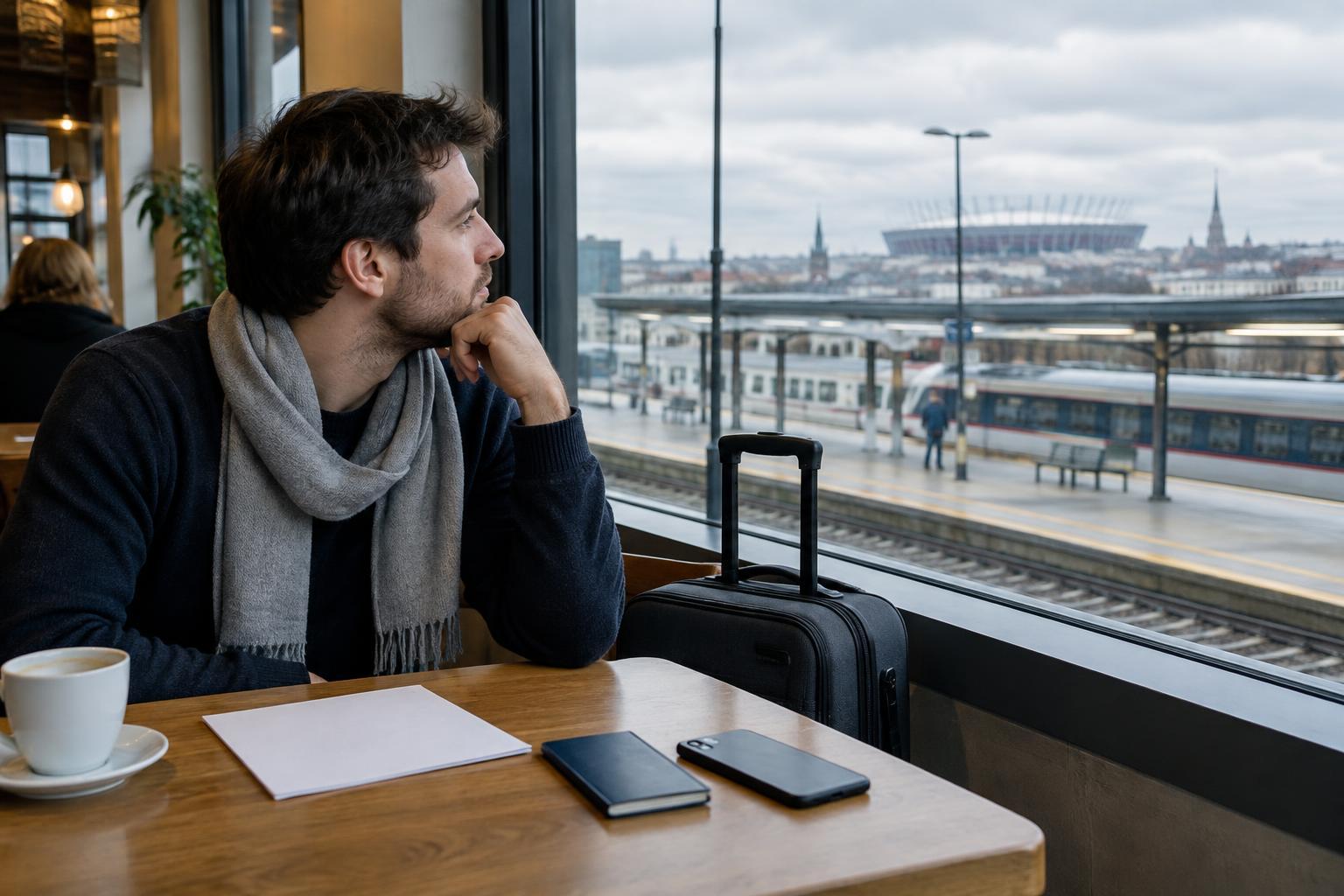
Ask each person to share when they expect to reach the city, where they will stay and how they plan to leave. A simple shared note is enough; it should show the essentials without turning the weekend into a minute-by-minute itinerary. If one person arrives much later than the others, make the first gathering optional. Nobody should have to rush an unfamiliar journey just to make a dinner reservation.
Choose meeting points that work without a group chat
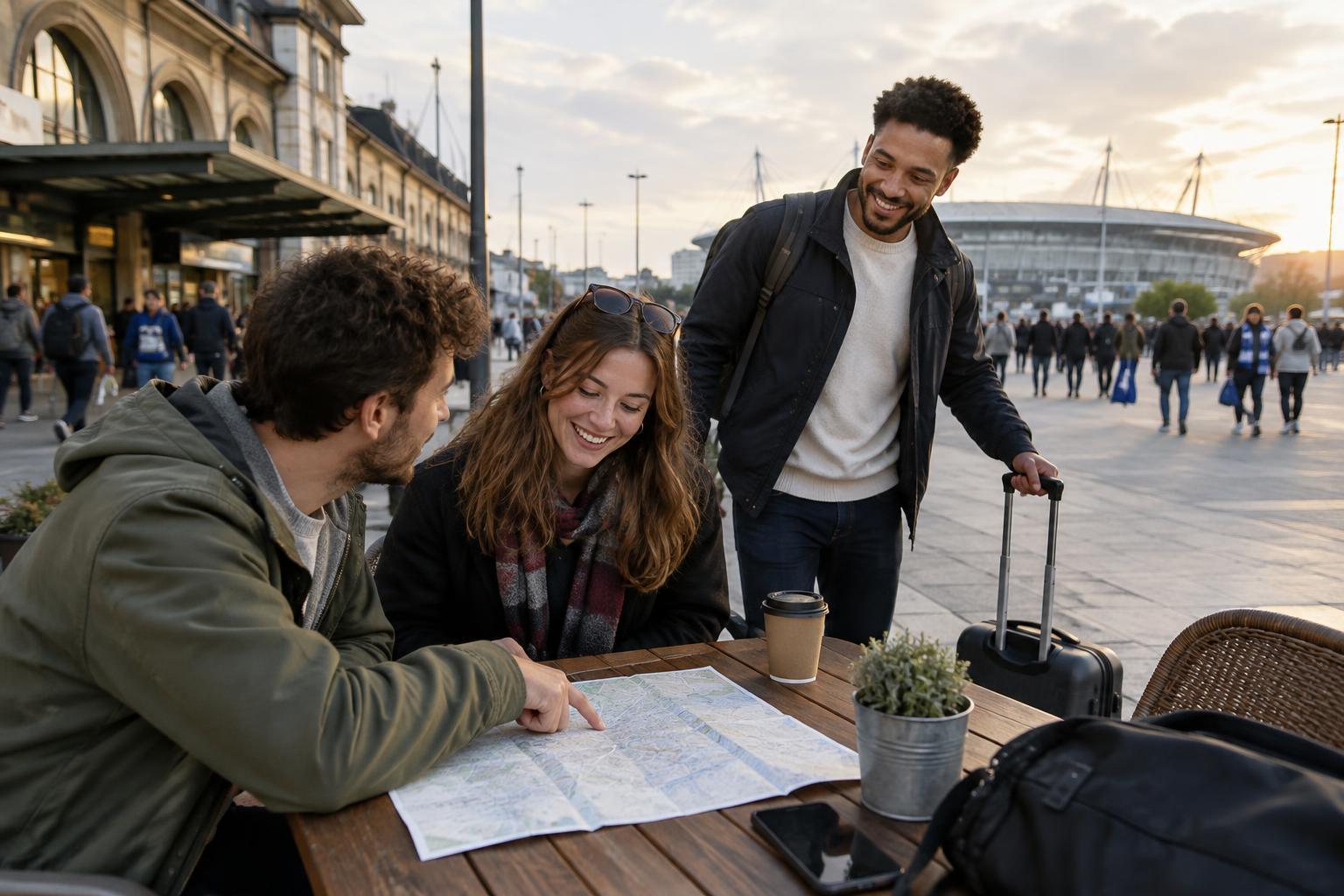
Messages are useful until a phone battery runs low, mobile data fails or a crowded station makes instructions hard to follow. Pick an initial meeting place that is easy to identify, such as a named entrance to a station or a particular café, rather than “outside the stadium.” Add a meeting time and a short waiting window. If someone misses it, they should know whether to go to the next stop or head directly to their own gate.
Matchday is easier when you do not require the whole group to move together. Friends may have different seats, entrances or security queues. Agree on one pre-match gathering spot away from the busiest approaches, then allow enough time for everyone to reach their assigned gate separately. For the trip home, choose another clear meeting point only if it fits each person’s departure plan.
Keep shared bookings and money easy to untangle
Before anyone books for the group, decide which costs will actually be shared. Accommodation might be split equally, while transport, tickets and meals remain individual expenses. Confirm who is named on a reservation, when payment is due and what happens if someone can no longer travel. A booking that looks flexible for one person may not work the same way for every traveler in the party.
Avoid making a single friend the keeper of every essential detail. Each traveler should have access to their own booking information, identification requirements and ticket delivery instructions. If you use a shared note, limit it to details the group needs; sensitive documents and payment information are better kept private. This small distinction makes coordination easier without asking everyone to hand over personal information.
Leave room for different kinds of football weekend
Not everyone wants the same pre-match routine. One friend may want to visit a stadium museum, another may prefer a long lunch, and someone else may need a quiet break after traveling. Set a few fixed points—the match, perhaps one meal together, and any shared check-in—then treat the rest as optional. Smaller groups can explore without making anyone feel that they are holding up the trip.
A little independent time also helps when arrivals are staggered. Early travelers can explore a neighborhood or settle into their accommodation instead of waiting at a station. If the group wants more off-field reading while planning a relaxed break, browse Behind the Scenes · Star Boulevard for another kind of behind-the-scenes story; treat it as optional downtime, not as a source for match logistics.
Agree on a backup plan before you need one
The most useful contingency plan is short enough to remember. Decide what everyone will do if a journey is delayed, a phone is unreachable or the group gets separated after the match. For example, a delayed traveler can go straight to their accommodation, while the others continue with the agreed plan. Share a way to contact the accommodation and make sure each person knows how to get there independently.
Finally, check the journey home as carefully as the journey in. A late finish, slow stadium exit or busy transit stop can affect friends differently, especially if they have separate trains or flights. Agree in advance that nobody needs to wait for the full group when doing so risks their connection. The best group plan makes it easy to meet up, but just as easy for each person to travel safely at their own pace.