Build the trip around a fixture you have checked
A match listing can make a trip feel ready to book, but a fixture is not always fixed. Dates, kick-off times and even venues may change before matchday. Before committing to flights or a stay, check the competition, club or venue information for the specific match. Note whether the listing is confirmed or provisional, and check it again as your departure approaches.
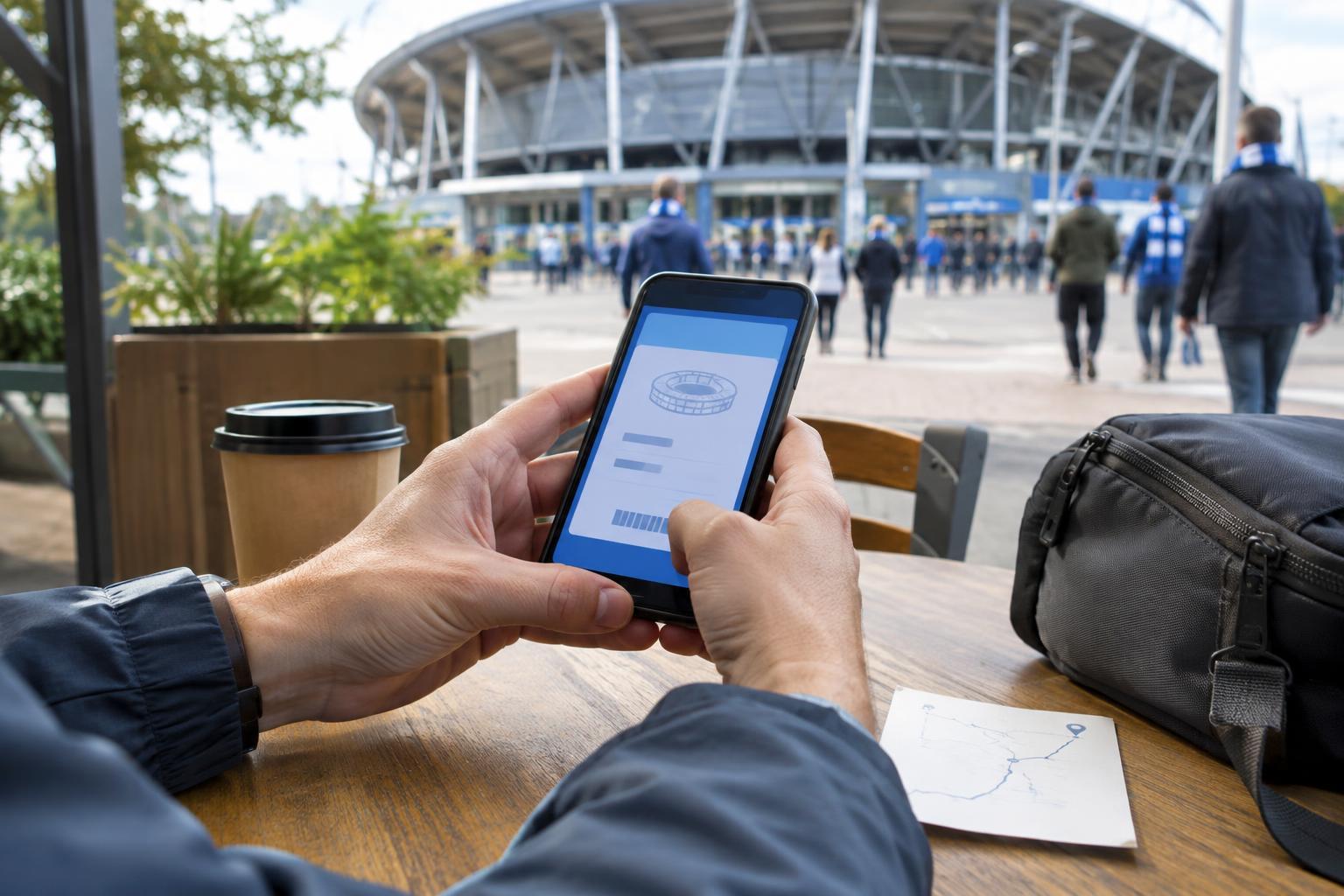
Look beyond the date. Confirm the teams, stadium and local kick-off time, especially if you are crossing a time zone. A city named in a travel guide may have more than one ground, and the easiest airport or station for the city centre may not be the easiest route to the stadium. Save the fixture details and the address separately so that an old screenshot does not become your only reference.
If the match is the main reason for travelling, decide how much schedule uncertainty you can accept before choosing nonrefundable transport. A flexible arrival day, a second match option or an enjoyable plan for the host city can keep the trip worthwhile if the original plan changes.
Treat connections as part of the journey, not empty space
A short connection can look efficient on a booking screen. In practice, you may need time to get off a plane or train, collect luggage, change terminals or stations, pass through checks and find the next departure. Separate tickets deserve extra caution: if the first service is late, the second operator may not treat it as one protected journey.
Work backwards from the match, not just from the scheduled arrival. Allow time to reach your accommodation, leave a bag, eat and travel to the ground. Stadium queues and unfamiliar local transport can make a last-minute arrival stressful even when every flight or train runs on time. Arriving the day before a must-see match may be more comfortable than relying on a same-day connection.
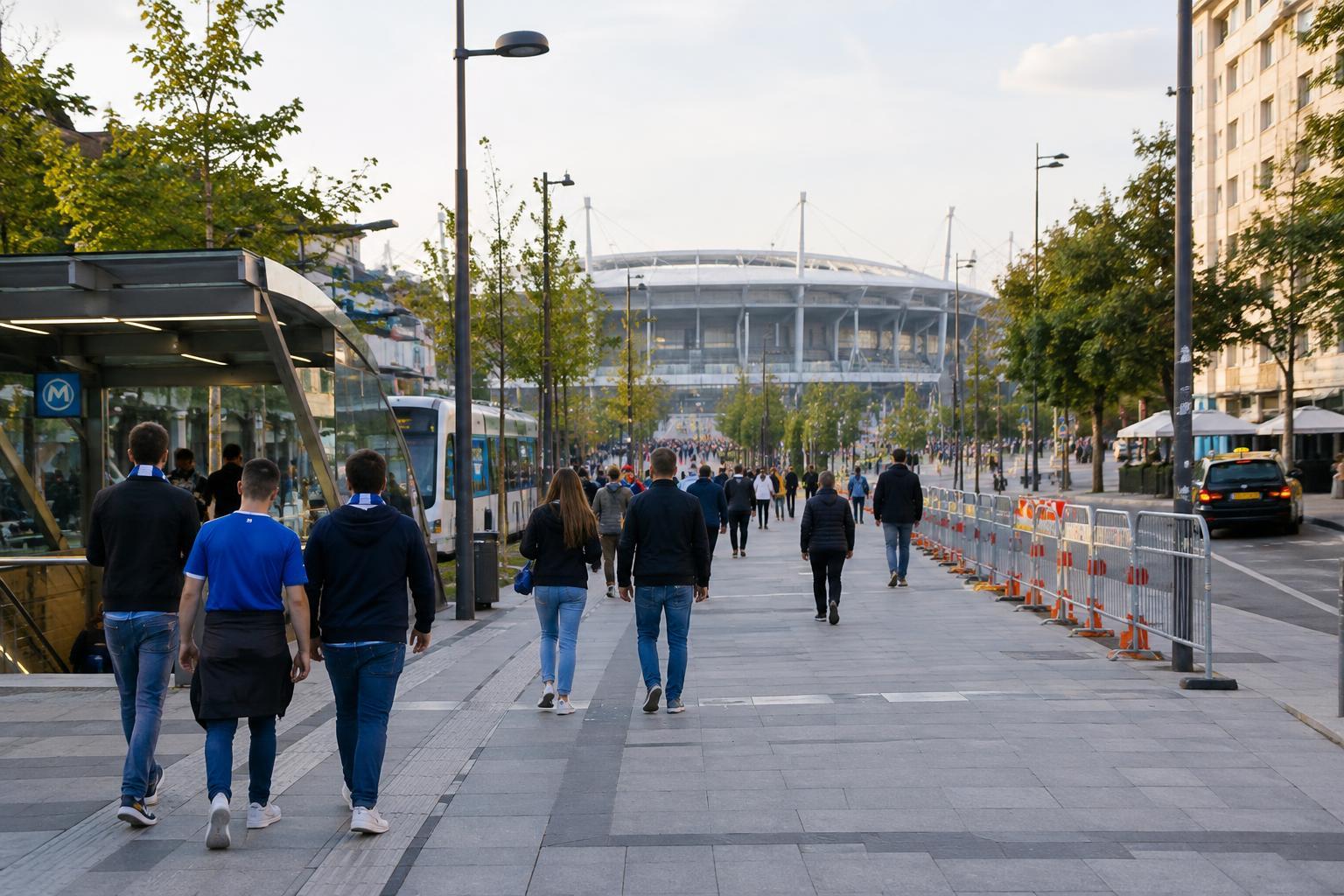
Apply the same test to the journey home. A late match, a long walk from the ground or crowded post-match transport can turn an early departure into a scramble. Check the route you would actually use after the final whistle, including how you will reach your accommodation or departure point if your preferred service is unavailable.
Read accommodation terms before chasing the lowest rate
A low nightly price is less appealing if you must pay for a room you cannot use after a fixture change. Compare the total cost and the conditions, not just the headline rate. Check the cancellation deadline, payment timing, change rules and any fees shown before you confirm. Keep a copy of the terms that apply to your reservation.
Location matters too. A room near the stadium is not automatically the simplest choice: it may be awkward for arrival, sightseeing or an early departure. Compare routes from your accommodation to the ground, the main station and the airport or coach stop. If you expect to return late, check whether the reception and transport options suit that plan.
Flexibility has a value, even when it costs more upfront. You need not make every booking fully changeable, but it helps to identify which parts of the trip are most exposed to a fixture move. Paying for a more flexible stay around the match may be more useful than paying extra for flexibility on a night that is unlikely to change.
Keep match access separate from travel assumptions
Do not treat a booked flight or hotel as confirmation that you can attend the match. Check ticket availability, eligibility and entry conditions through the relevant club, competition or venue channels before making attendance the centre of an expensive itinerary. Be wary of listings that do not clearly explain what is being sold or how admission will work.
Also check practical entry details when they become available. Some grounds have rules about bag size, identification or when gates open. These can affect whether you take luggage straight to the stadium or leave it at your accommodation first. Keeping your match documents and travel reservations in separate, easy-to-find places makes changes easier to manage.
Book in an order that leaves room to adapt
Before paying, write a simple timeline: when you expect to arrive, when you can check in, how you will reach the ground and how you will leave after the match. Mark any step that depends on a single tight connection or an unconfirmed fixture. That short exercise often reveals a weak point while you still have other options.
Then check the terms of each purchase and set reminders for useful dates, such as a free-cancellation deadline and a fixture recheck. Keep some room in your budget and schedule for ordinary travel disruptions rather than planning every hour around the best-case journey. The aim is not to remove every uncertainty; it is to avoid turning one changed kick-off or delayed train into a lost football trip.