Let the matchday journey set the meal times
It is tempting to plan a football trip around a favourite restaurant near the stadium. First, work backwards from the time you want to reach your entrance. Allow time for the journey, finding the correct gate and any queues at security. The gap left before that journey is your realistic window for a meal. A restaurant that looks close on a map may still be awkward if it puts you on the wrong side of a busy road, a station entrance or the stadium.
Think about the day after kickoff, too. Getting out of a full ground can take time, and a late finish may leave fewer places open. If you need to catch a train or return to accommodation, decide whether you can comfortably eat after the match or should have a substantial meal beforehand. This simple choice prevents dinner from becoming an extra deadline.
Choose a location that suits your route
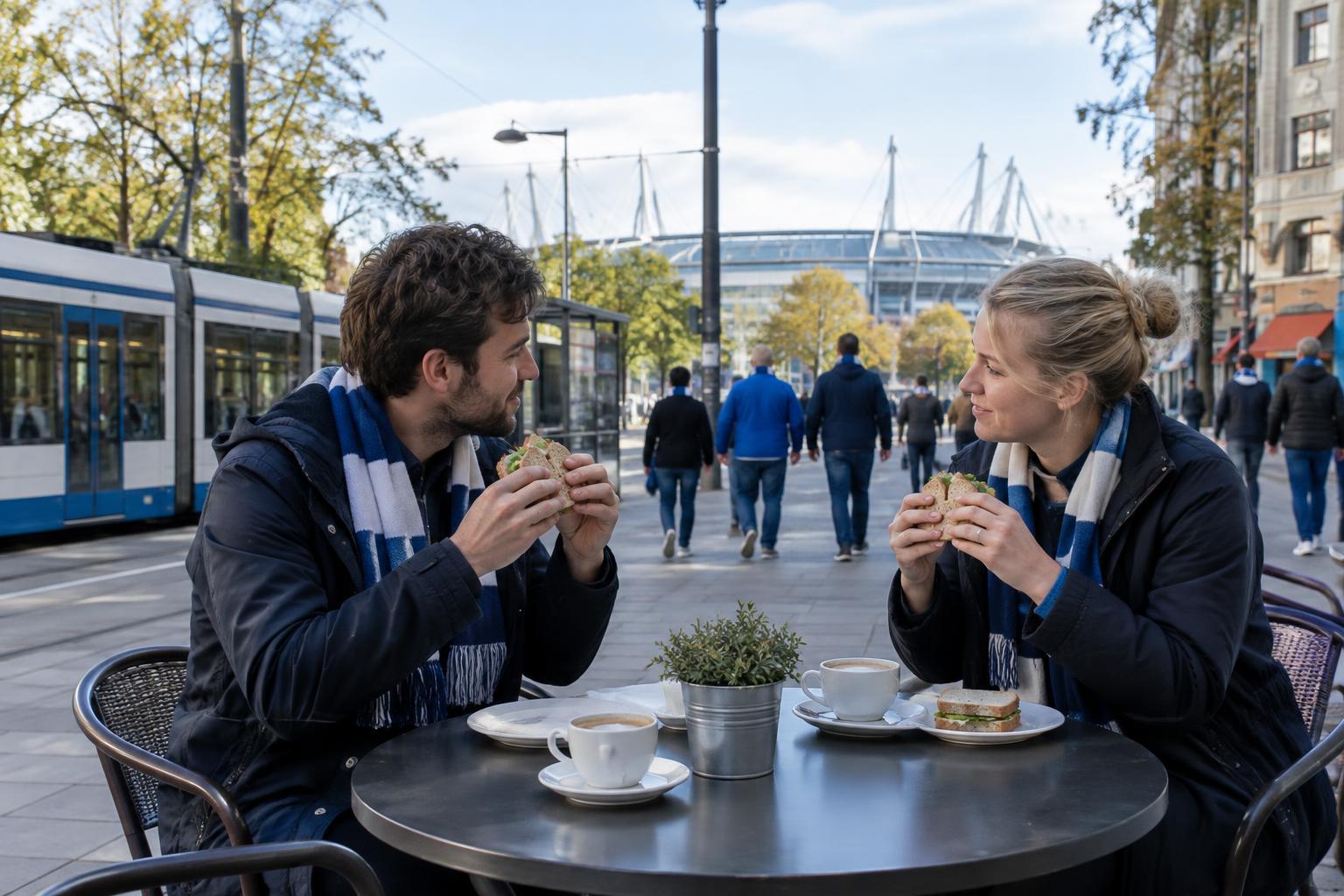
Food near a ground can be part of the experience, but it may also be busy just when you need to move. One approach is to eat in a neighbourhood on your transit route, then travel to the stadium without another stop. This gives you more choices and keeps your final journey straightforward. If you want to spend time around the ground, consider eating earlier and leaving room for a snack rather than counting on a full sit-down meal there.
For a group, pick an eating area before choosing an exact venue. Share the nearest station or a clear landmark and agree on a time to leave for the stadium. That way, people who want different food can still meet for the same onward journey. Check opening hours and whether a place takes bookings before relying on it, especially if your plans depend on eating at an unusual time.
Match the plan to kickoff time
An early kickoff often calls for a dependable breakfast and a modest snack to carry with you for the journey. A long lunch beforehand may leave too little margin for delays. For an afternoon match, lunch can be the main meal, provided you start early enough to enjoy it without watching the clock. An evening kickoff gives you more time during the day, but dinner plans still need a clear finishing point.
These are starting points, not fixed rules. Travel time, children’s routines and how long you want to spend near the stadium all change the calculation. If you have a reservation, leave a generous gap between the expected end of the meal and the time you want to arrive at the gate. If that gap is not possible, a quicker meal is likely to be more relaxing.
Have a simple fallback for crowds and delays
A good food plan offers a second option that does not require another cross-city journey. Look for a few possibilities along the same route: perhaps a casual café, a takeaway option and a place where you can buy something for later. You do not need a detailed list of venues. Knowing which area you would use if your first choice is full is often enough.
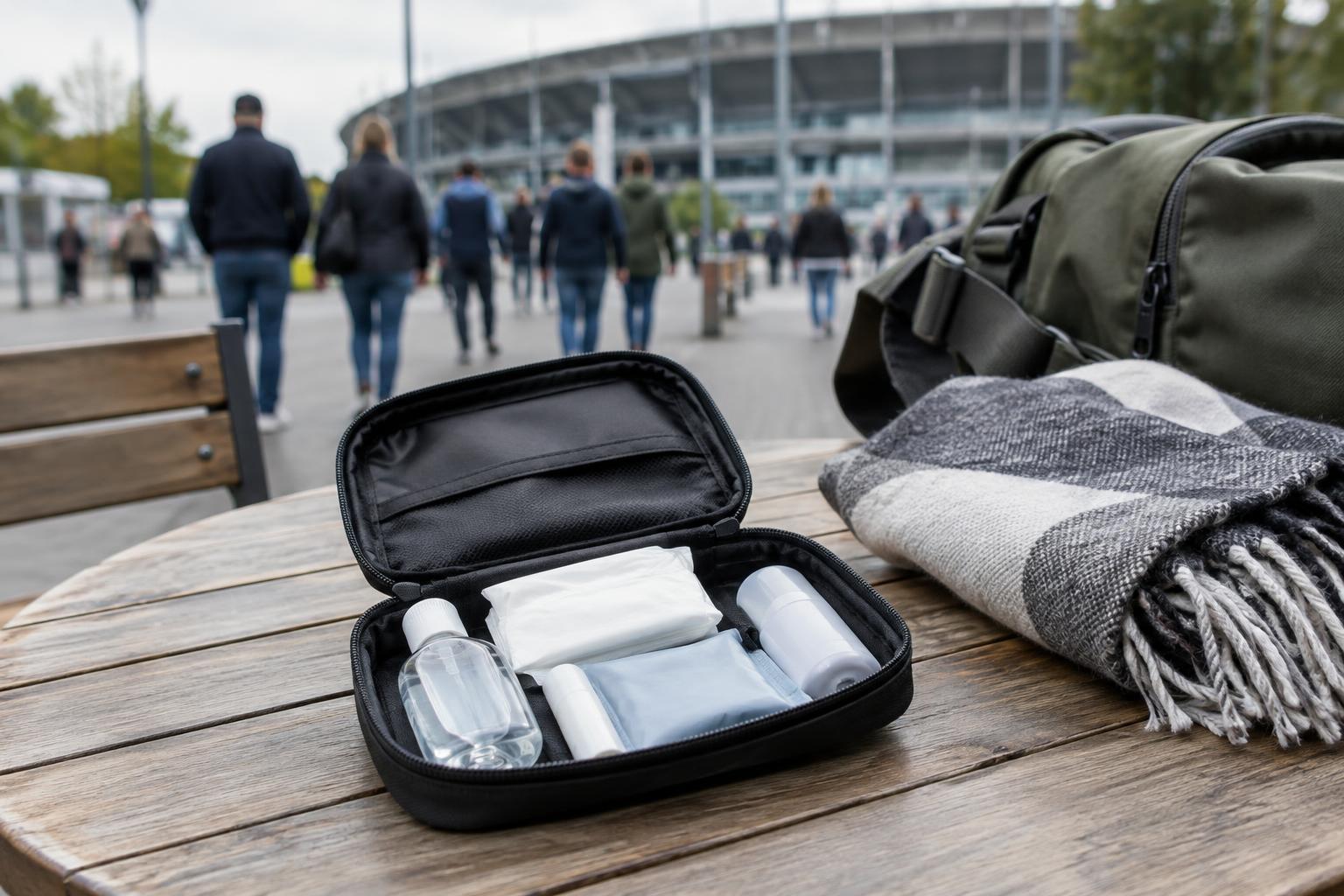
Carry water and an easy snack if your travel plans allow it, but check the ground’s rules before assuming you can bring food or drinks inside. Do not rely on stadium concessions to replace a meal; availability, queues and permitted payment methods can vary. If someone in your group has dietary requirements, identify a suitable option before matchday rather than hoping to find one during the busiest period.
Keep the post-match plan light
After the final whistle, give yourselves a choice rather than a firm restaurant appointment. You may want to stay in the area, or you may prefer to get away from the busiest streets before eating. A meeting point away from the immediate exits can help if your group is leaving by different gates, but agree on it before entering the stadium.
The most useful matchday meal plan is easy to change: eat enough before the game, know where you could find food afterward and protect the journey that matters most. Meals should give you a chance to enjoy the host city and each other’s company, not make you rush through the reason you travelled.