Start with the whole matchday, not just the stadium
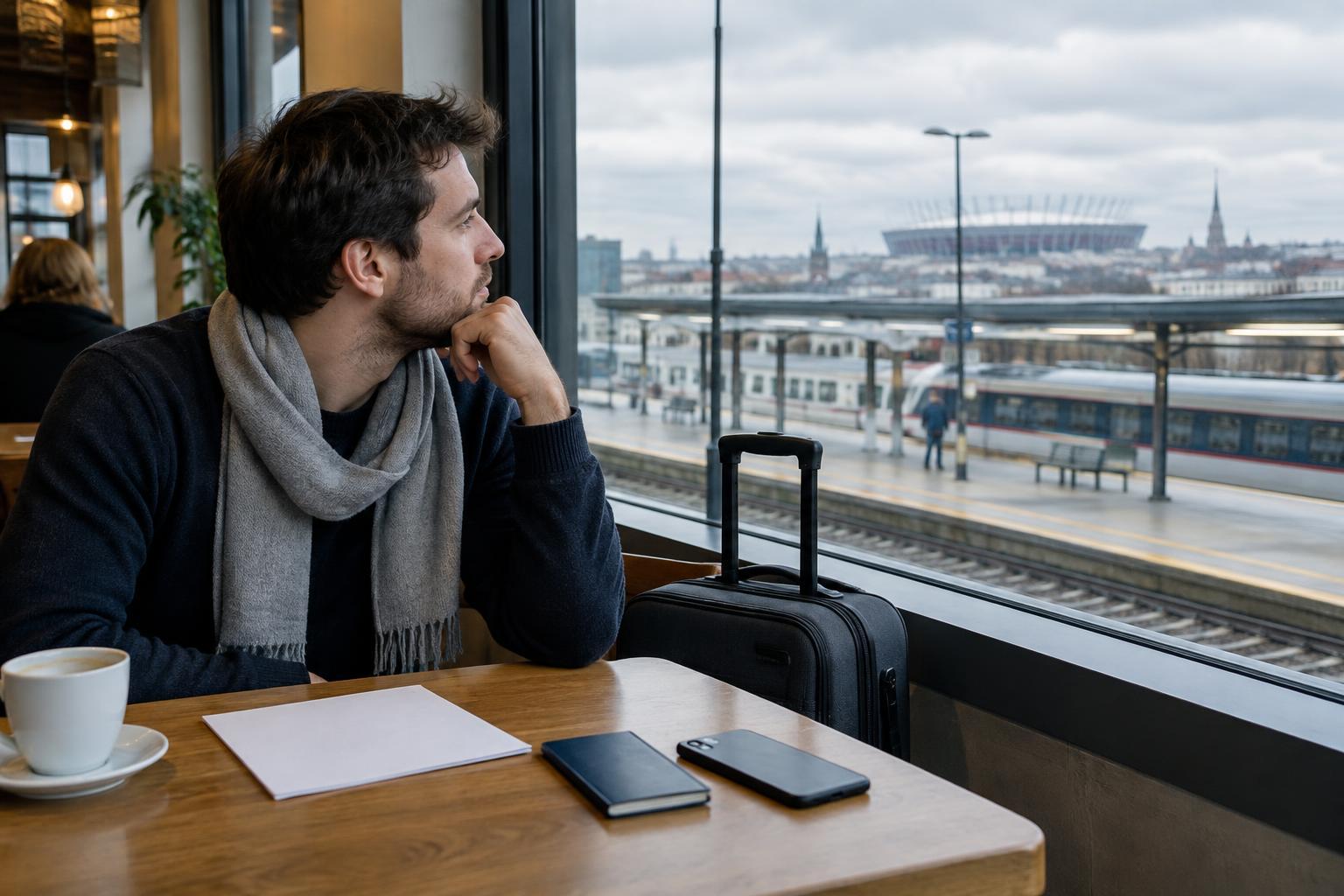
The fastest route to a stadium is not always the easiest matchday route. You may want to leave a bag at your accommodation, meet friends before kickoff, or stop for food afterward. Mark those places on a map alongside the stadium and your departure point. Then consider both journeys: getting to the match and getting back. The return trip may feel quite different when a large crowd leaves at once.
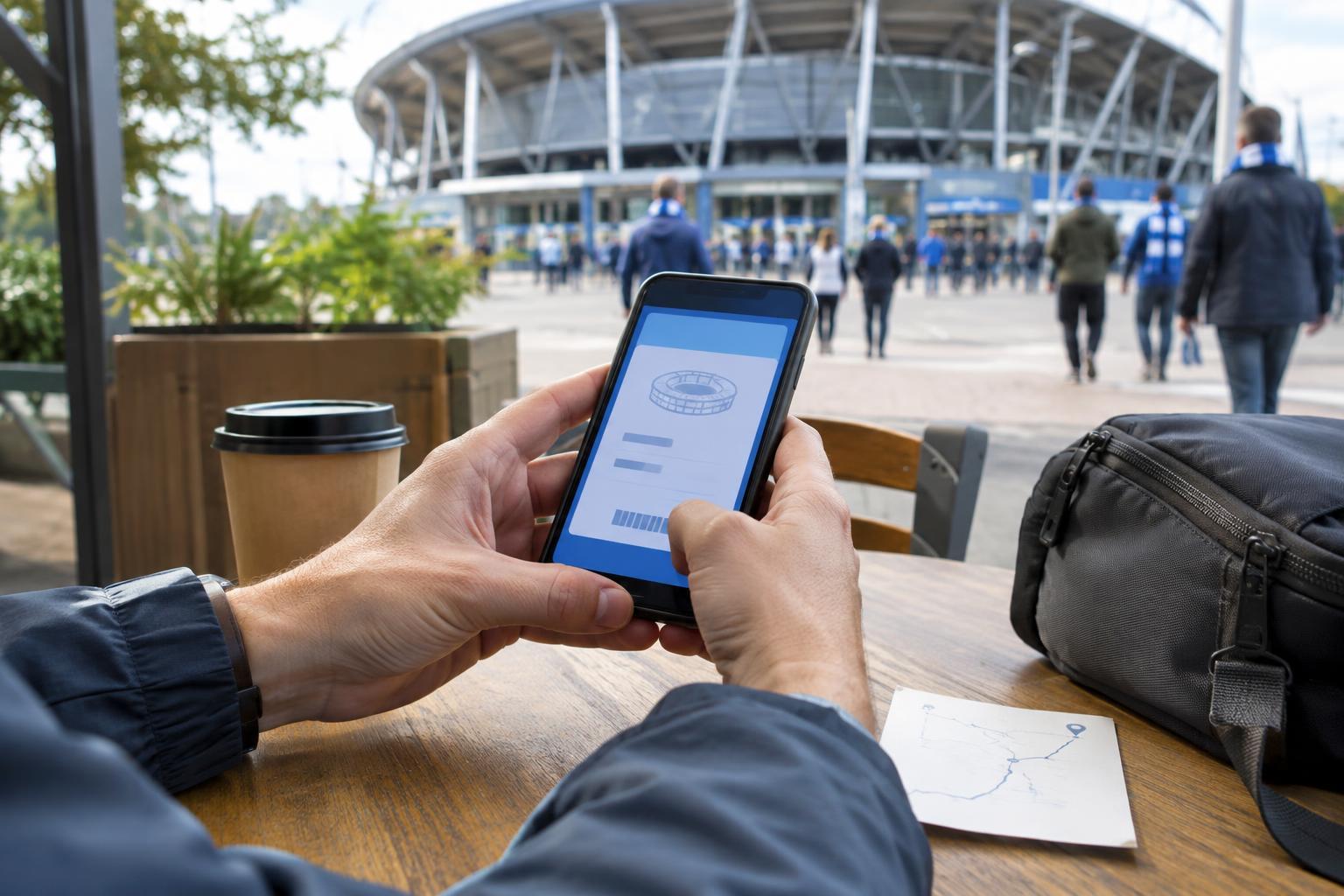
Before you settle on a route, check the stadium or event organizer’s matchday guidance and the local transport operator’s service information. Look for suggested entrances, nearby stops, temporary changes and any restrictions around the ground. Guidance can vary by match, so a route that worked on a previous visit is a useful starting point, not a guarantee. Save the essential details where you can find them if your phone connection is slow.
Use public transit for reach, then plan the final approach
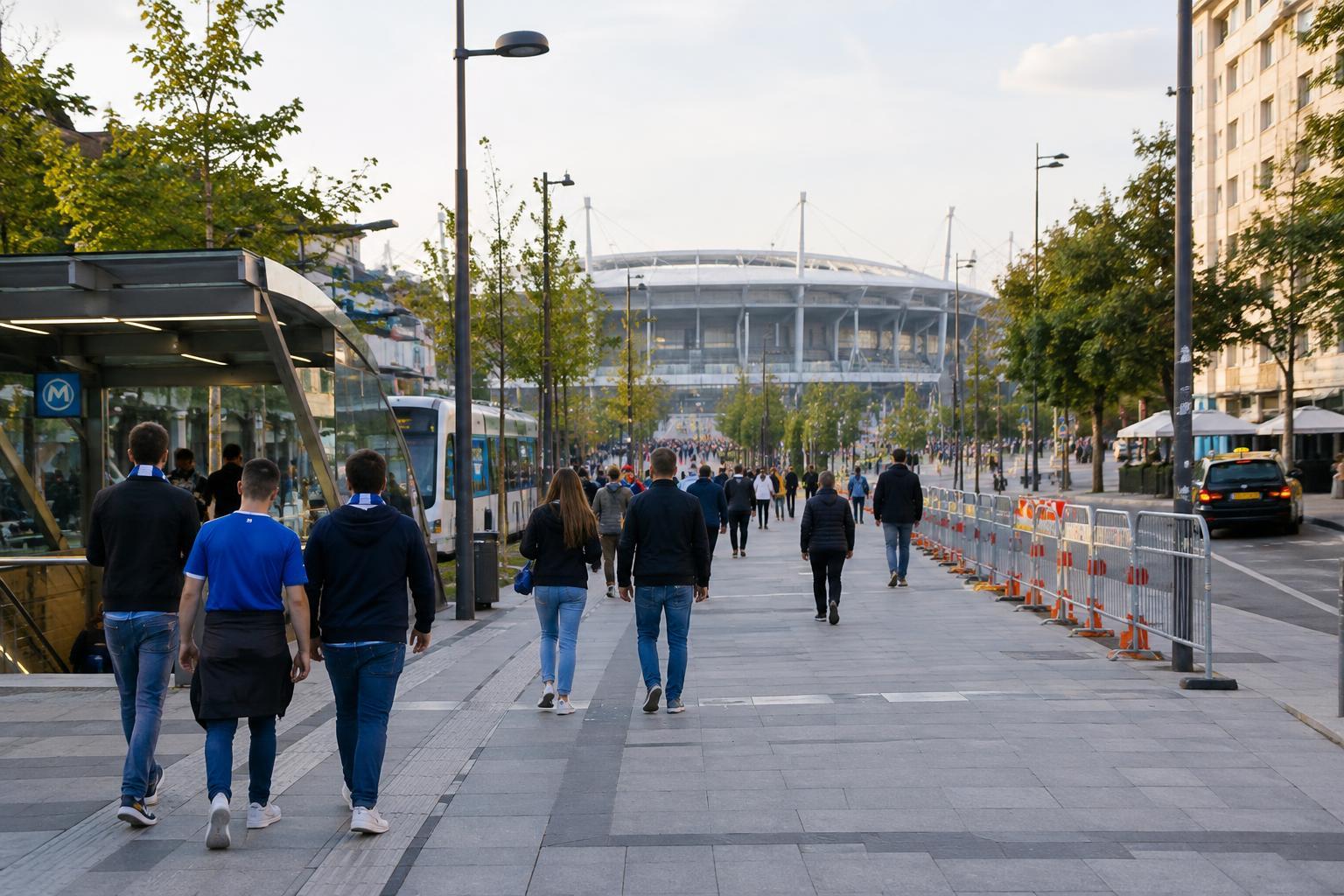
Trains, trams, metros and buses can be convenient when they connect your starting point with the stadium area without a complicated transfer. Compare routes by more than scheduled travel time. A journey with one easy change may be preferable to a slightly faster option with a long walk between platforms. Check how fares work before you travel, especially whether you need to buy a ticket, tap a payment card or validate a pass.
The stop closest to the stadium is not necessarily the best one. Approaching from a stop farther away may give you a simpler walk to your entrance or an easier departure after the match. If you have a tight onward connection, check when services are due to finish and whether the same route runs after full time. Give yourself room for queues at stations and consider a second stop or line you could use if your first choice is crowded.
Treat walking as a route choice, not an afterthought
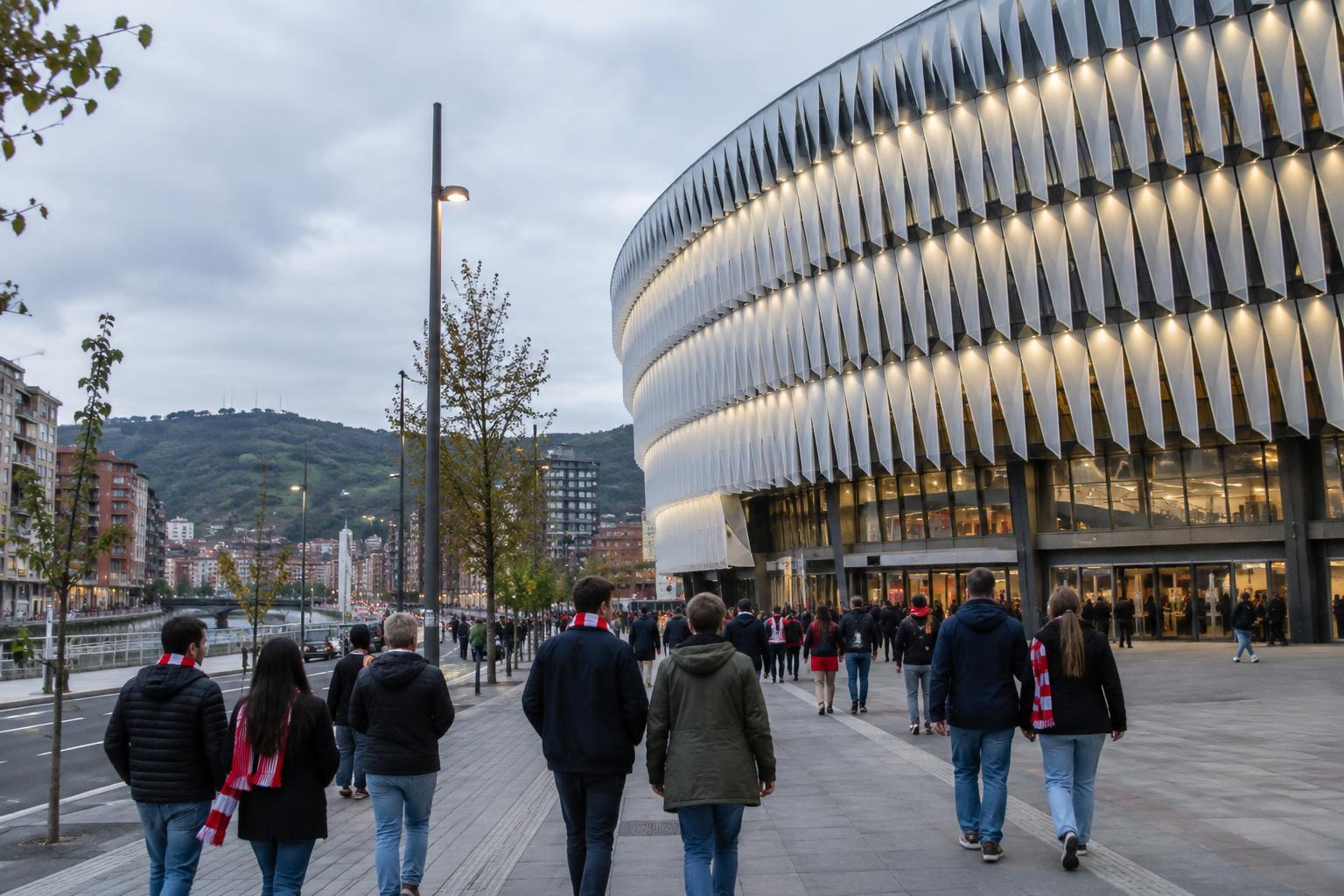
Walking can make the last part of a journey more predictable: you are not waiting for a vehicle, and you can often move at your own pace. It also lets you take in a neighbourhood on the way to the ground. But distance alone does not tell you how easy the walk will be. Check for steep streets, major crossings, poorly lit stretches and routes that may become congested near the entrances.
Plan the walk to the entrance shown on your ticket or match information, rather than simply navigating to the stadium’s centre point. If you are travelling with children, someone with limited mobility or a group that walks at different speeds, choose a route with suitable crossings and places to pause. Comfortable shoes matter even if most of your journey is by transit: a short planned walk can become a longer one if a stop is closed or you decide to leave from another station.
Know what taxis can and cannot solve
A taxi or licensed ride-hailing service may be useful when you have luggage, need a more direct journey or are travelling where transit connections are awkward. On matchday, however, traffic controls and crowds can prevent a driver from reaching the stadium entrance. A drop-off point a comfortable walk away may work better than asking to be taken as close as possible. Agree with your group where to get out before you set off.
After the match, finding a vehicle near the ground may take longer than expected. Check whether there are designated pickup areas, and choose a clear meeting point away from the busiest pedestrian flow. Use the operator’s normal booking and identification steps, and confirm the vehicle before getting in. If price or availability matters to your plan, keep a transit or walking alternative rather than relying on an immediate pickup.
Make room for road closures and a change of plan
Road closures can affect taxis, buses, bicycles and pedestrians differently. Some streets may be closed to vehicles while walking routes remain open; other areas may be managed to guide crowds. Check matchday information close to departure and follow signs and steward directions on the ground. Do not assume that a mapped driving route will remain available up to kickoff or immediately after full time.
A simple backup plan is more useful than a complicated itinerary. Pick a primary way in, an alternative stop or walking route, and a realistic way home if your first choice is busy. Share a meeting place with your group in case you get separated, and keep enough phone charge to check directions or tickets. If you have an onward train or flight, avoid building the trip around the earliest possible exit from the stadium. A little flexibility can make the journey feel like part of the day rather than a race against it.