Plan from the final whistle, not the advertised kickoff
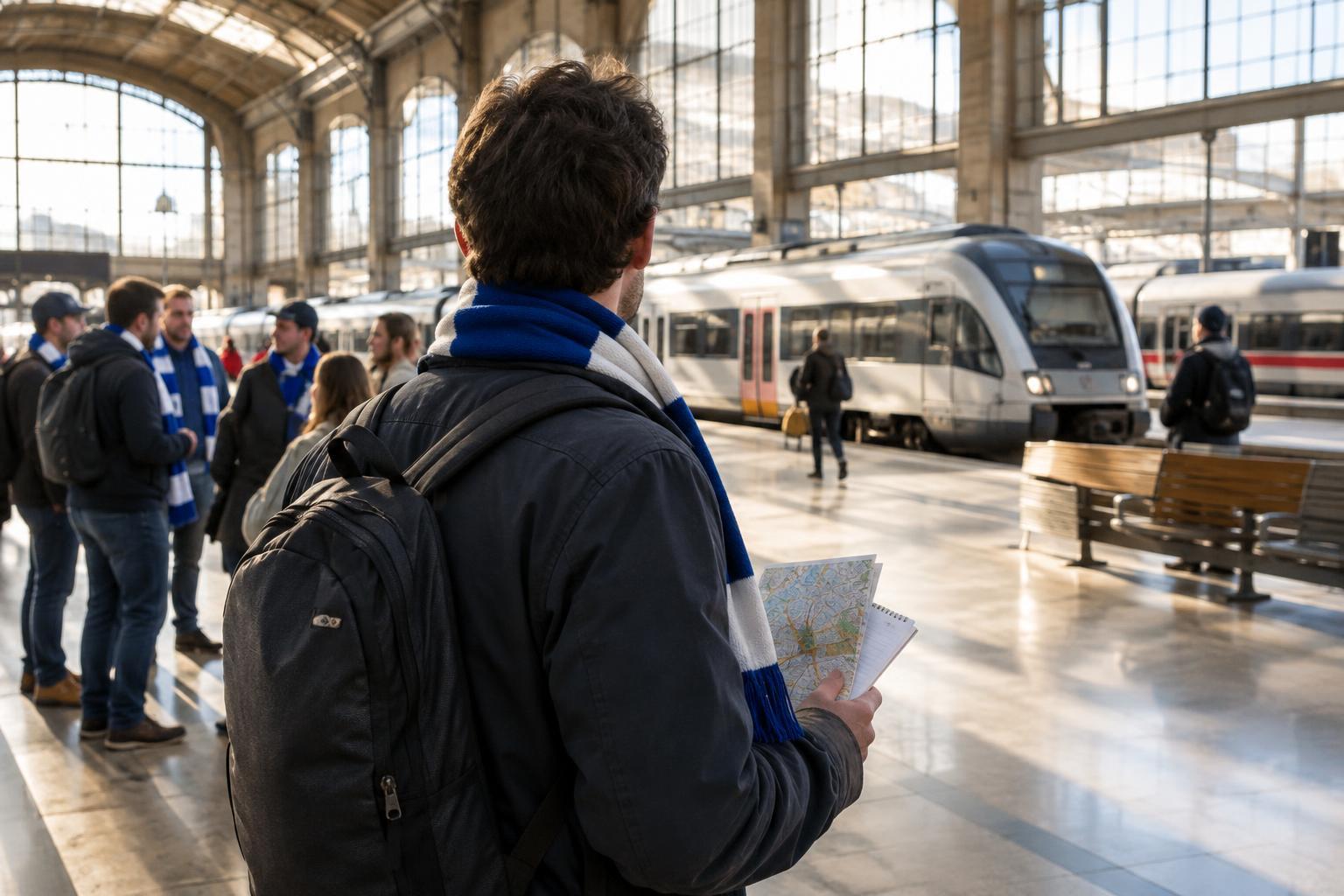
A late kickoff can make an ordinary journey feel surprisingly tight. The match itself may run beyond 90 minutes, and getting out of a stadium takes time even when you leave promptly. Crowds can slow the walk to a station, while a busy platform may mean you cannot board the first service that arrives. If your route depends on a last train, treat the advertised departure as a deadline to work back from, not a target you can reach at the last moment.
Start with your destination: your accommodation, a transport hub or the town you need to reach that night. Check the full route from the stadium area to that destination, including any transfer between lines or stations. A train that leaves the nearest station late may be of little use if its connecting service finishes earlier. Note the final workable connection and the one before it. The earlier option is your realistic goal; the last one is your safety margin.
Check the journey in both directions
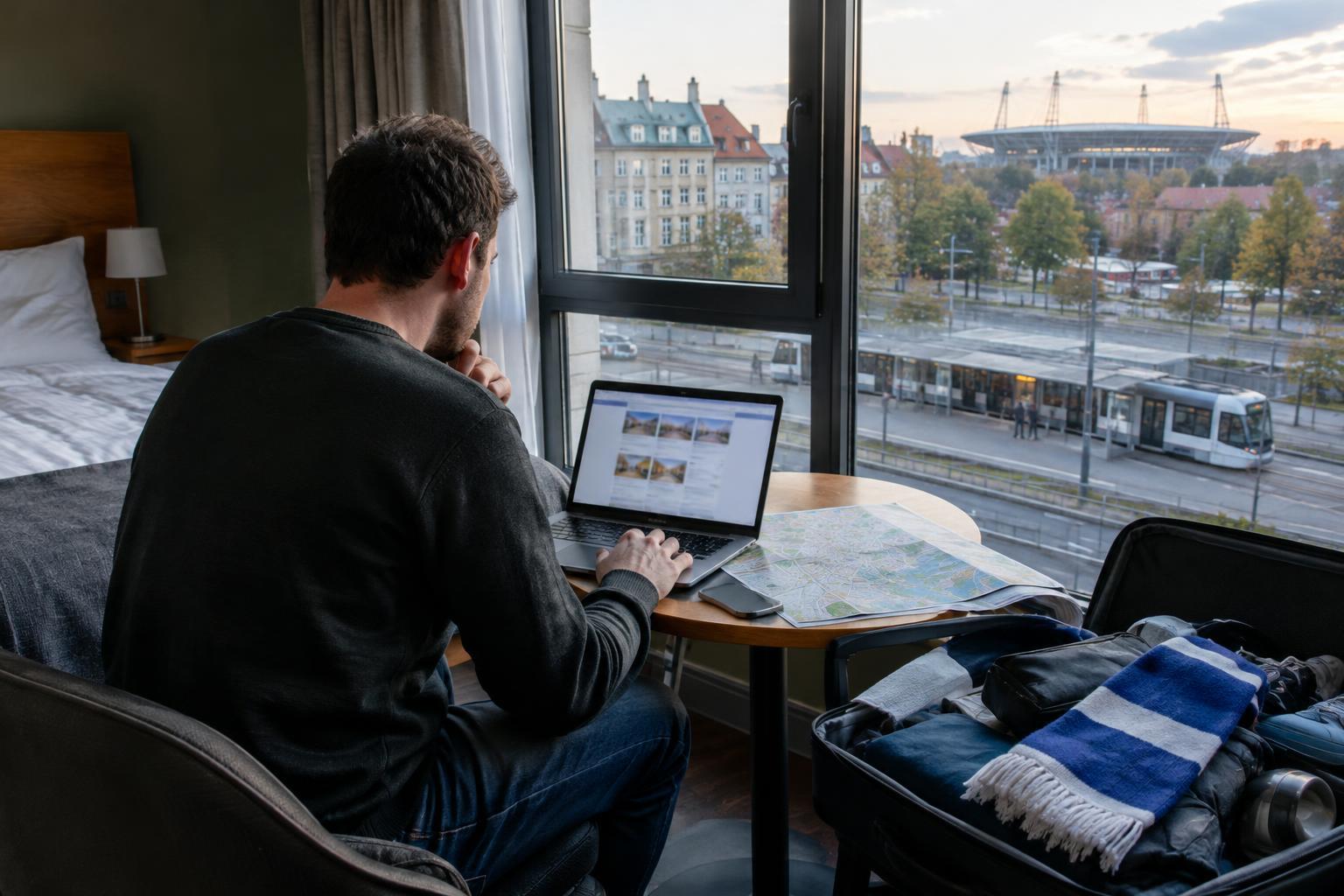
Before matchday, look up the route using the transport operator’s own timetable or journey planner where possible. Search for the day of the match, not a typical weekday: evening and weekend services may differ. Check whether engineering work, replacement buses or station closures affect your route. Timetables can change, so repeat the check on the day and look for updates after the match.
Pay particular attention to what “last train” means for your journey. The last departure from a station might not go all the way to your destination. A service may stop short, require a connection or arrive after local onward transport has ended. If you bought a ticket in advance, check its route and time restrictions so you know whether a different train would be usable. Save the useful details offline: departure times, platform information if available, transfer stations and the name of your final stop.
Give the stadium exit its own time allowance
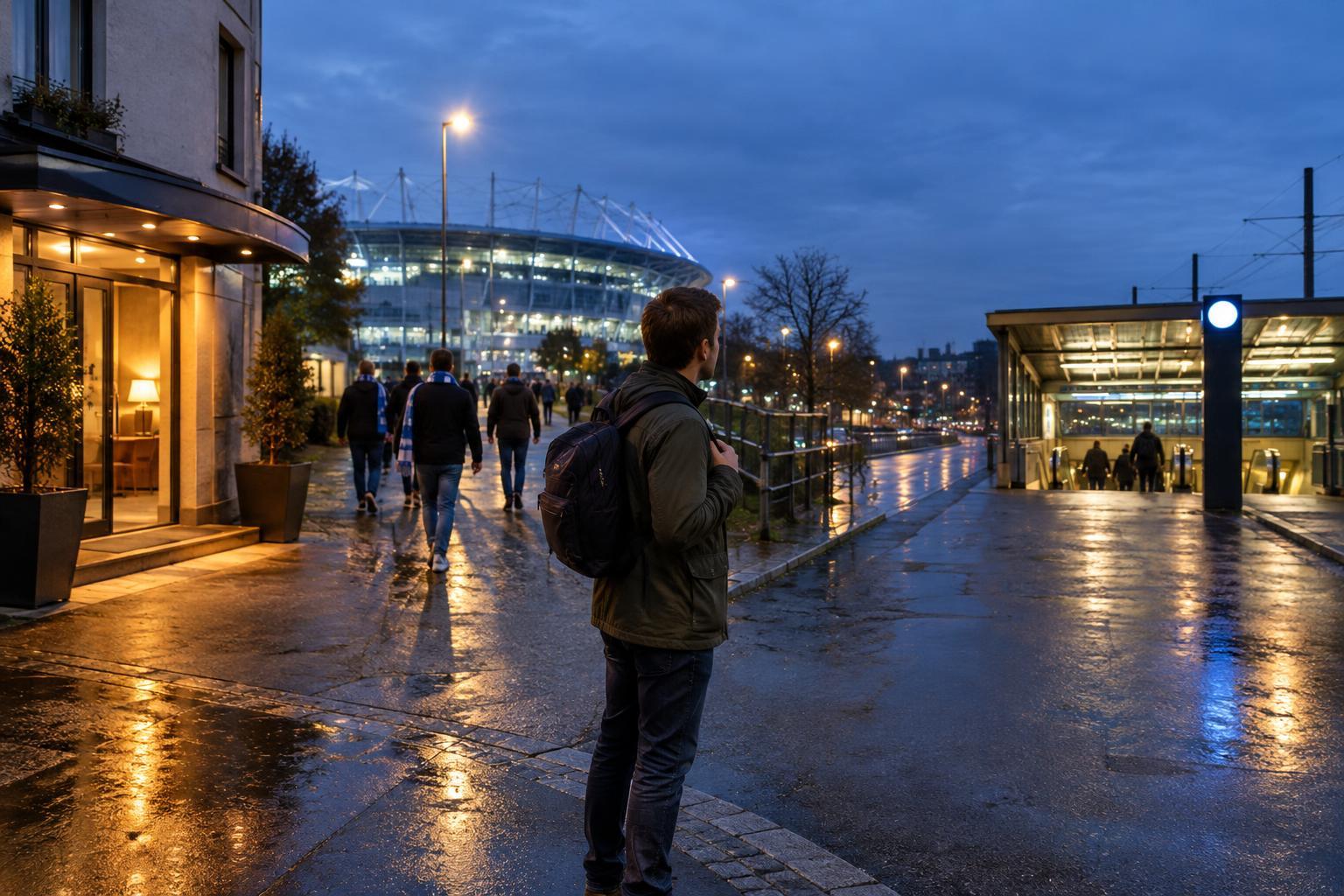
A map’s walking estimate rarely captures the full post-match trip. Exits may be managed to separate crowds, the most direct street may be closed, and the nearest station may use queues or temporary entry arrangements. The walk can also feel different at night, particularly in an unfamiliar city. Before entering the ground, identify the exit you expect to use and at least one sensible walking route to public transport. Follow local signs and staff directions on the night if they differ from your plan.
Decide in advance how much of the match you are willing to miss, if any, to make a connection. There is no universal right choice: for some supporters, staying until the end matters more than reaching a particular train. What helps is knowing the consequence before kickoff. If missing the last connection would mean an expensive ride or an unplanned overnight stay, you can make that trade-off consciously rather than discovering it in the station queue.
Build a backup that really gets you home
A useful backup is more specific than “get a taxi.” Check whether a later bus, tram or different rail line serves another station within a reasonable walk. Sometimes travelling first to a larger interchange gives you more options than waiting at the stop closest to the ground. For trips between cities, consider whether an overnight coach or a pre-booked room would be a better fallback than trying to improvise a long road journey after midnight.
If a taxi or ride-hailing service is your alternative, identify a pickup point away from the busiest stadium streets and check that it is somewhere you can reach comfortably. Do not assume a car will be immediately available when thousands of people leave at once. If travelling with others, agree where you will meet if you get separated and whether you are willing to split up to catch different services. Keep enough charge on your phone to navigate, contact your group and show any digital tickets.
Make a small match-night checklist
Before setting out, keep your return plan in one place: the preferred service, the last workable service, the route to each departure point and your fallback. A screenshot can help if your signal is poor, but check live information when you can because saved times will not show disruption. Carry a payment method that works for local transport, and note whether you need to validate a ticket before boarding.
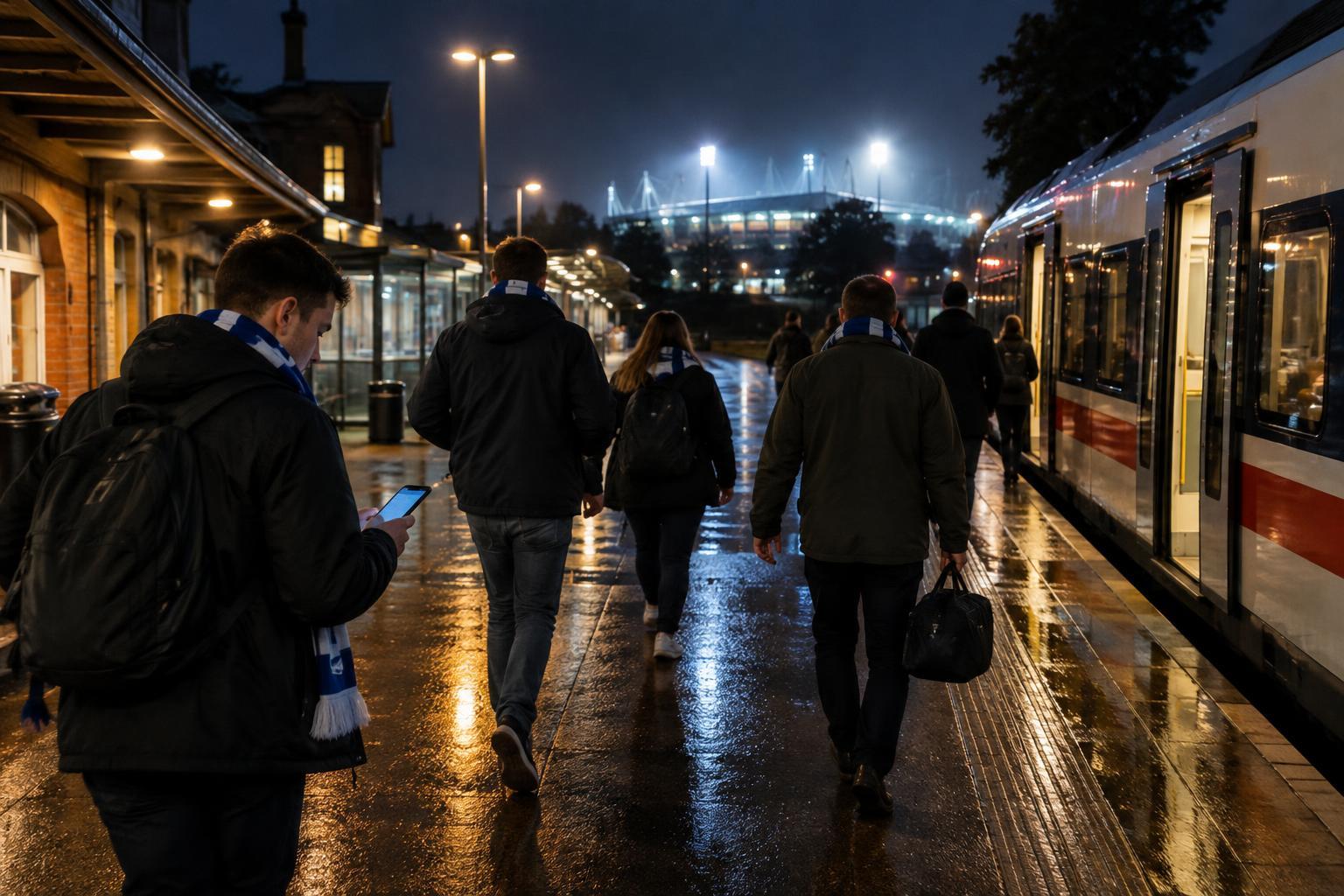
After the final whistle, pause long enough to confirm which route is still viable. If your first plan has failed, switch to the backup early rather than spending your remaining time in a queue for a connection you can no longer make. A little preparation will not remove every delay, but it lets you enjoy the football without leaving the journey home entirely to chance.