Start with the harder match to reach
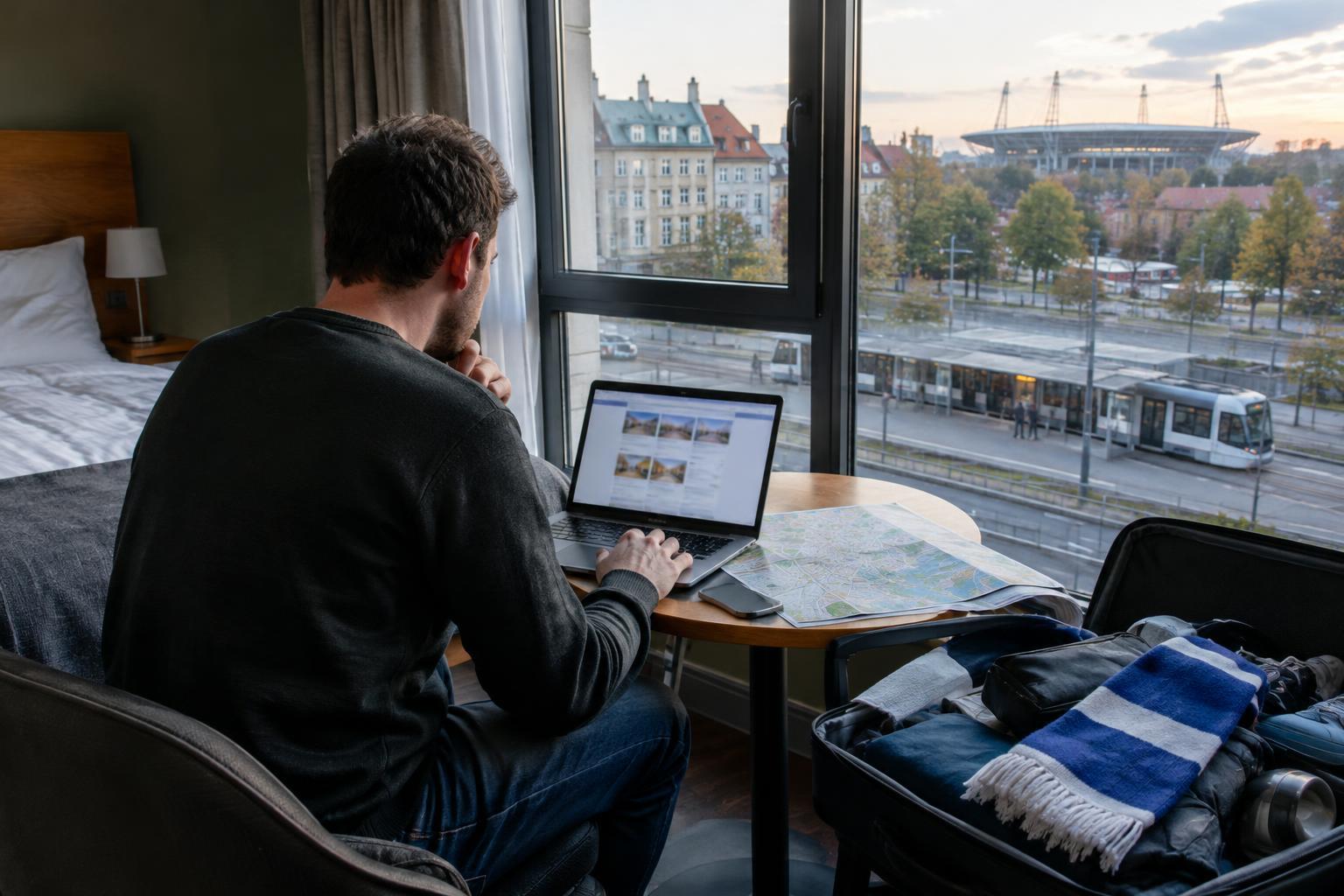
A two-match weekend is easiest to plan when one fixture becomes the anchor. This might be the match with the earlier kick-off, the stadium farther from your accommodation, or the game you would least want to miss. Put its confirmed date and time on a simple timeline, then work outward: when you need to leave, where you will sleep and whether the second match still fits.
Check the fixture details again before committing to travel. Listed times may refer to a different time zone, and match dates or kick-off times can change. Treat an unconfirmed fixture as a possibility, not a fixed appointment. If the weekend depends on both matches staying in narrow time slots, consider whether you could still enjoy the trip if one moves.
Measure door-to-door travel, not station-to-station speed
A short train journey between cities can hide a long match-day transfer. Add the time needed to leave your seat, walk out of the stadium, reach a stop or station, wait for a service and travel onward. At the other end, include the journey from the arrival station to your accommodation or the next ground. Do the same calculation for flights: airport transfers, security and boarding can outweigh time in the air.
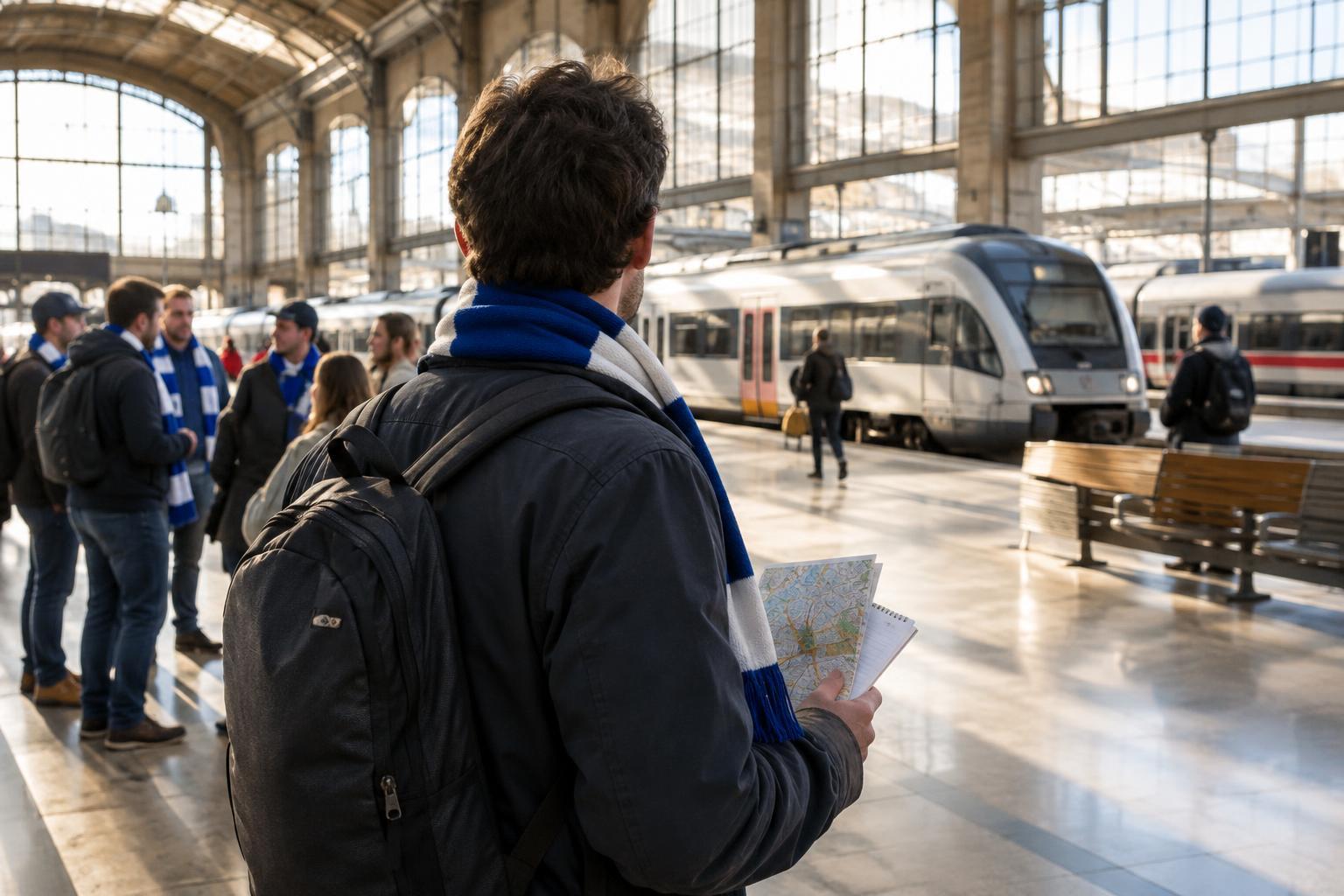
Map each leg in the order you will actually take it. Check whether the relevant services run at the hours you need, especially after an evening match or early on a Sunday. Note the last practical departure, not just the last departure shown: a connection you can make only if you leave the match early is a risky foundation for the weekend.
Leave room around both kick-offs
Working backward from kick-off helps expose tight plans. Allow time to find the correct entrance, pass any entry checks, locate your seat and deal with an unfamiliar route. If you want to explore the neighbourhood or meet friends before the game, put that time on the schedule too. It should not be the invisible margin that disappears when a train runs late.
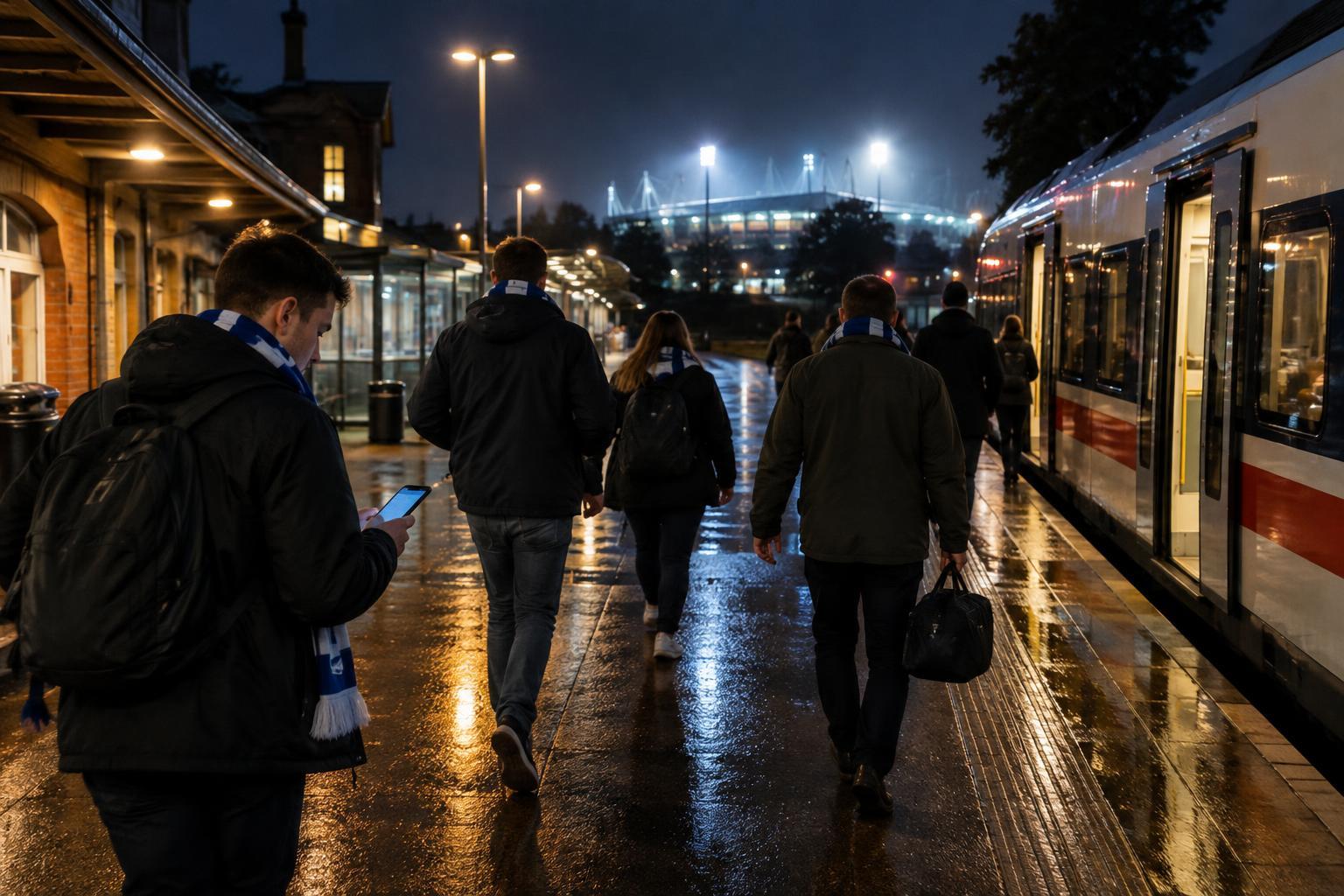
After full time, expect the journey away from a busy ground to take longer than the trip in. Crowds may slow walking routes and fill nearby transport. A match can also run beyond its nominal finishing time, so avoid booking an onward connection that assumes an immediate exit. When comparing two possible second fixtures, the one with a comfortable gap may offer a better trip than the one that looks ideal on paper.
Choose a base that makes the weekend simpler
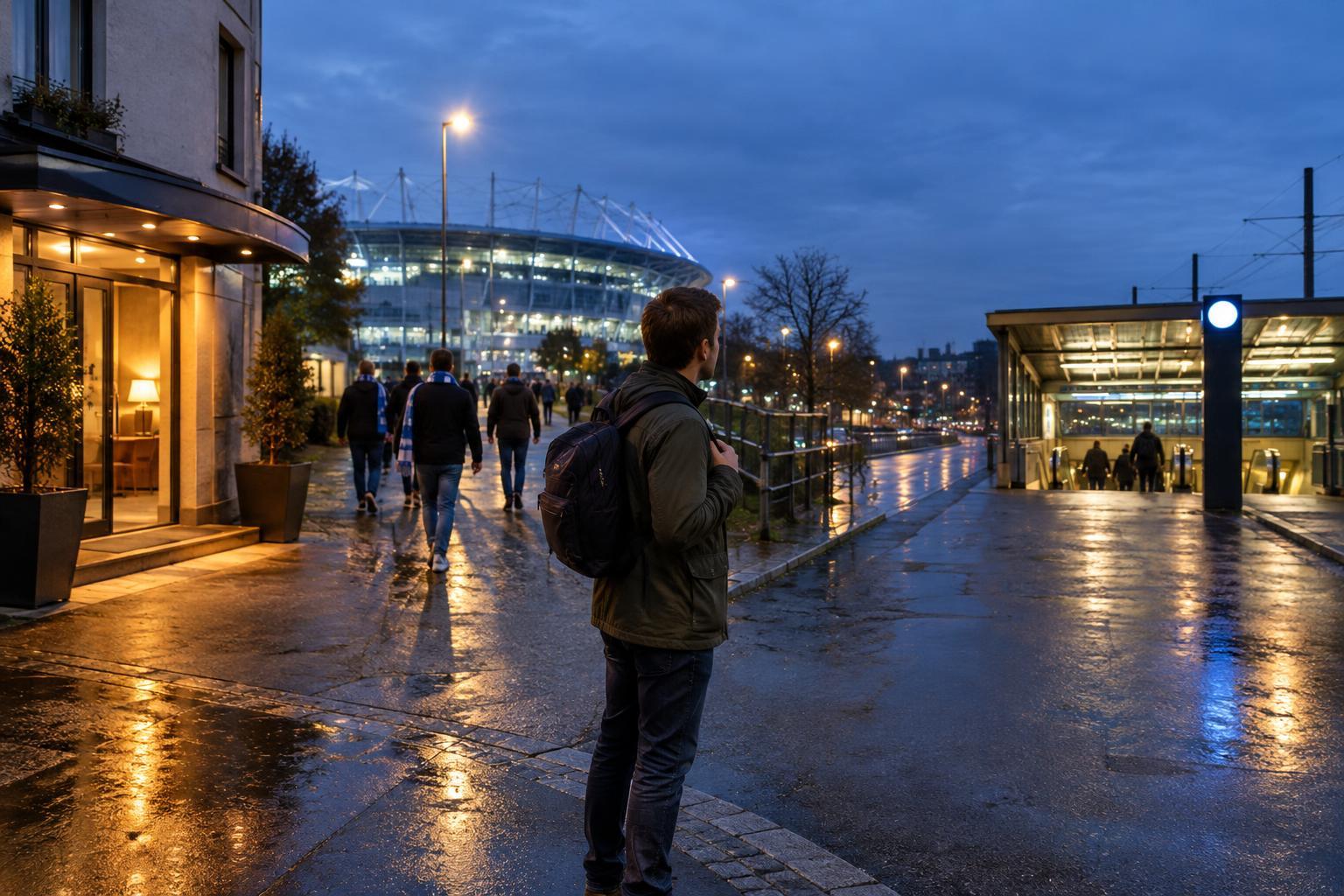
Accommodation between two grounds is not automatically the best choice. A base near a useful transport hub may save more time than a geographically central address with awkward connections. Compare the complete route for each match, including the return after the later kick-off. Check arrival and check-in arrangements if your first travel leg ends late, and plan where your bag will be during the day.
Try to keep at least one part of the weekend unhurried. A relaxed morning, an easy meal or a short walk around the host city can make the trip feel like more than a sequence of transfers. Packing light also helps when you change cities between matches, although you should check each venue’s bag rules before deciding what to carry to the ground.
Build a plan you can adjust
Before booking, mark each connection as comfortable, tight or essential. An essential connection is one whose failure would cause you to miss a match, lose a place to sleep or become stranded after full time. Look for an earlier service, a later departure or a different overnight stop wherever the plan relies on one. Check the change and cancellation terms of reservations so you know what flexibility you have.
Keep your key details available offline: accommodation address, match venue, transport booking references and the route back after each game. Recheck fixtures, entry requirements and service information close to departure using the relevant organisers and operators. You cannot remove every delay, but a weekend with honest travel times and a little spare room is much easier to enjoy.