Work backward from kick-off
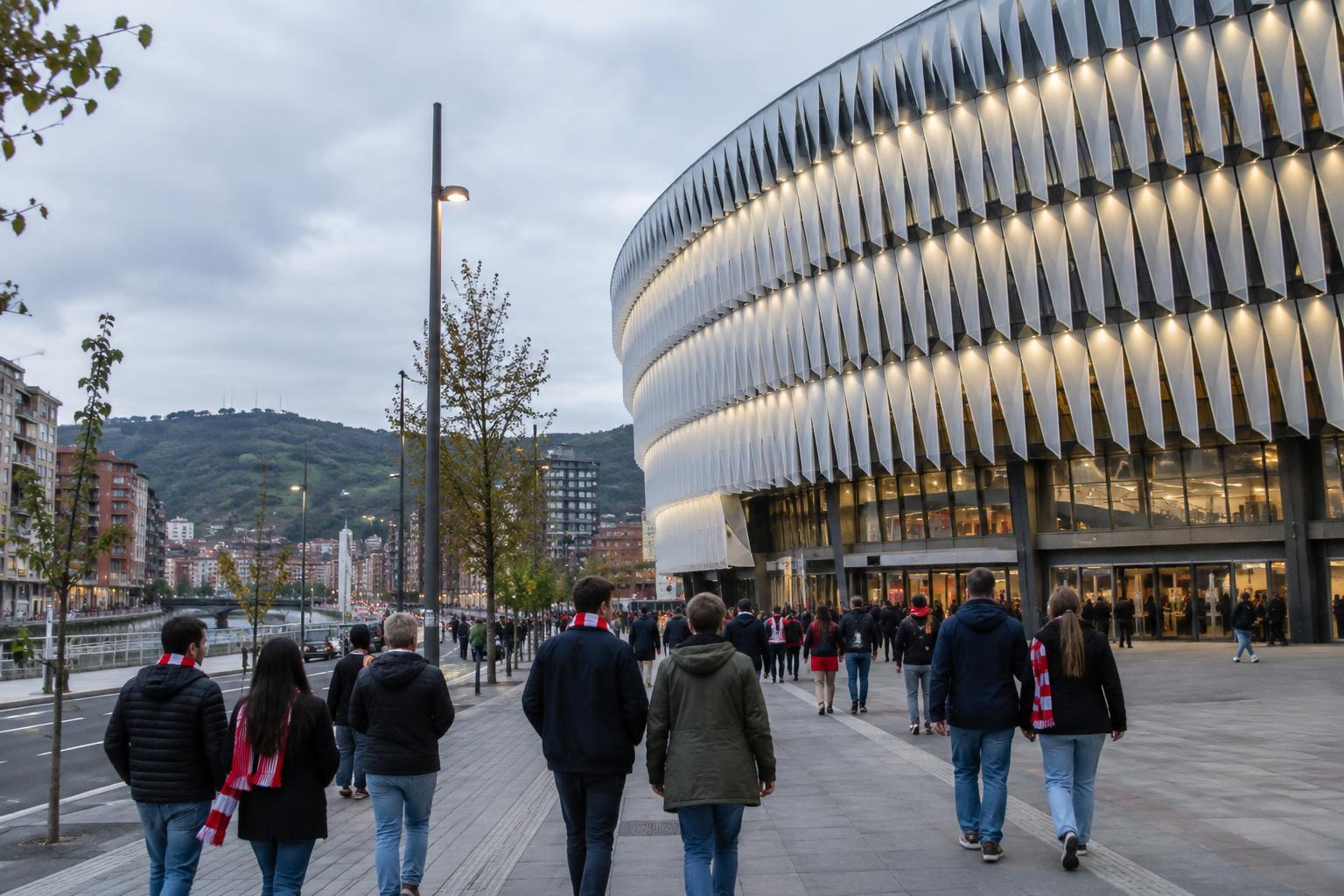
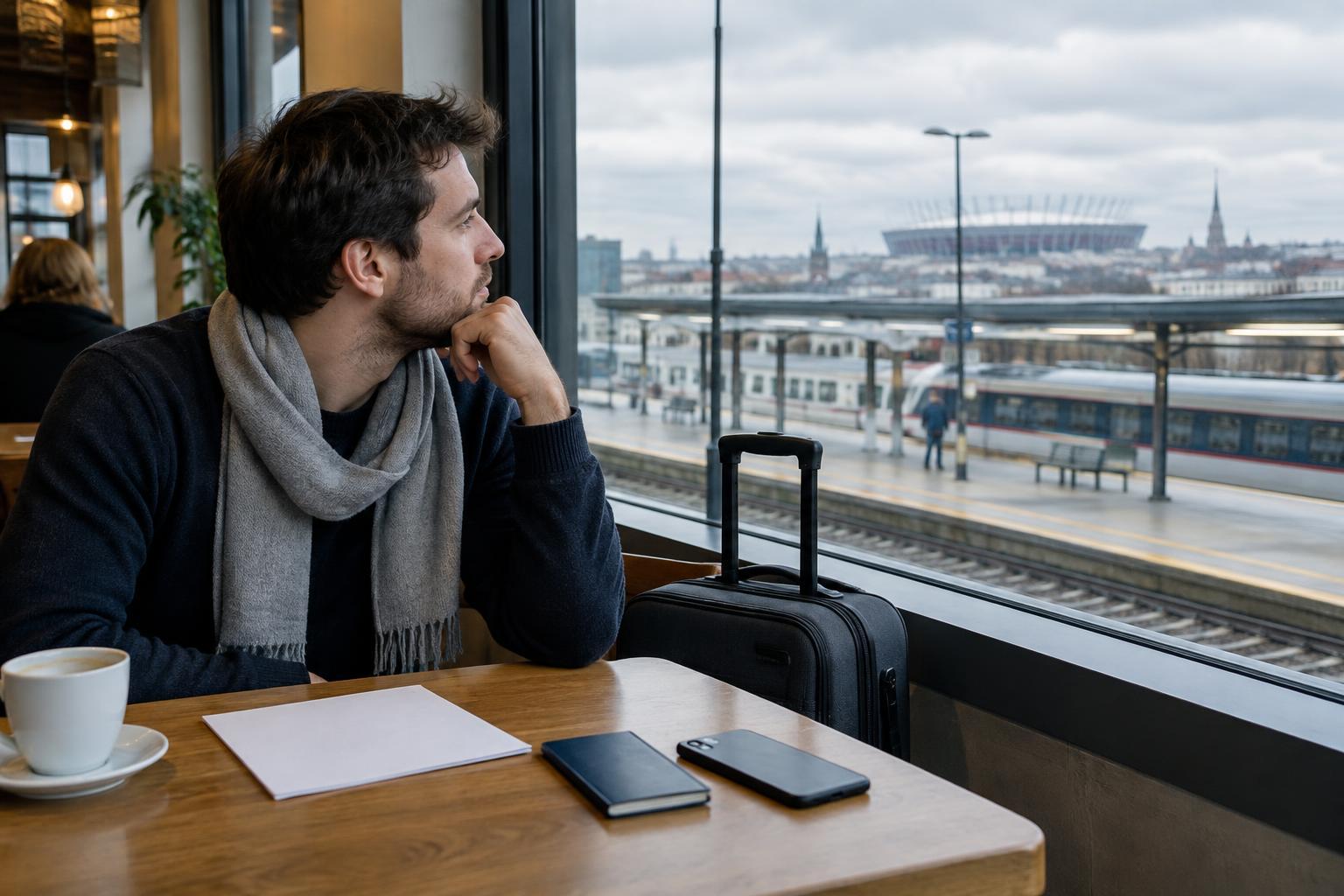
Kick-off is not your arrival deadline. Before you see the pitch, you may need to walk from a station, find the correct entrance, pass a ticket check and clear security. Leave room for those steps when planning your journey, especially if it is your first visit to the stadium. A useful approach is to choose a target time to be at your gate, then work backward through the walking route and transport journey. Add a buffer for a missed connection, slow-moving crowds or a pause to get your bearings.
There is no single arrival time that works at every European ground. Entrance arrangements vary by stadium and fixture, and some checks take longer than others. Read the information supplied with your ticket and check the club, venue or event organiser’s guidance before you travel. If a gate-opening time is provided, use it to shape your plan rather than assuming you can enter as soon as you arrive. Going early gives you more options if something is unclear; it also leaves time to enjoy the atmosphere without treating every queue as an emergency.
Find your entrance before joining a queue
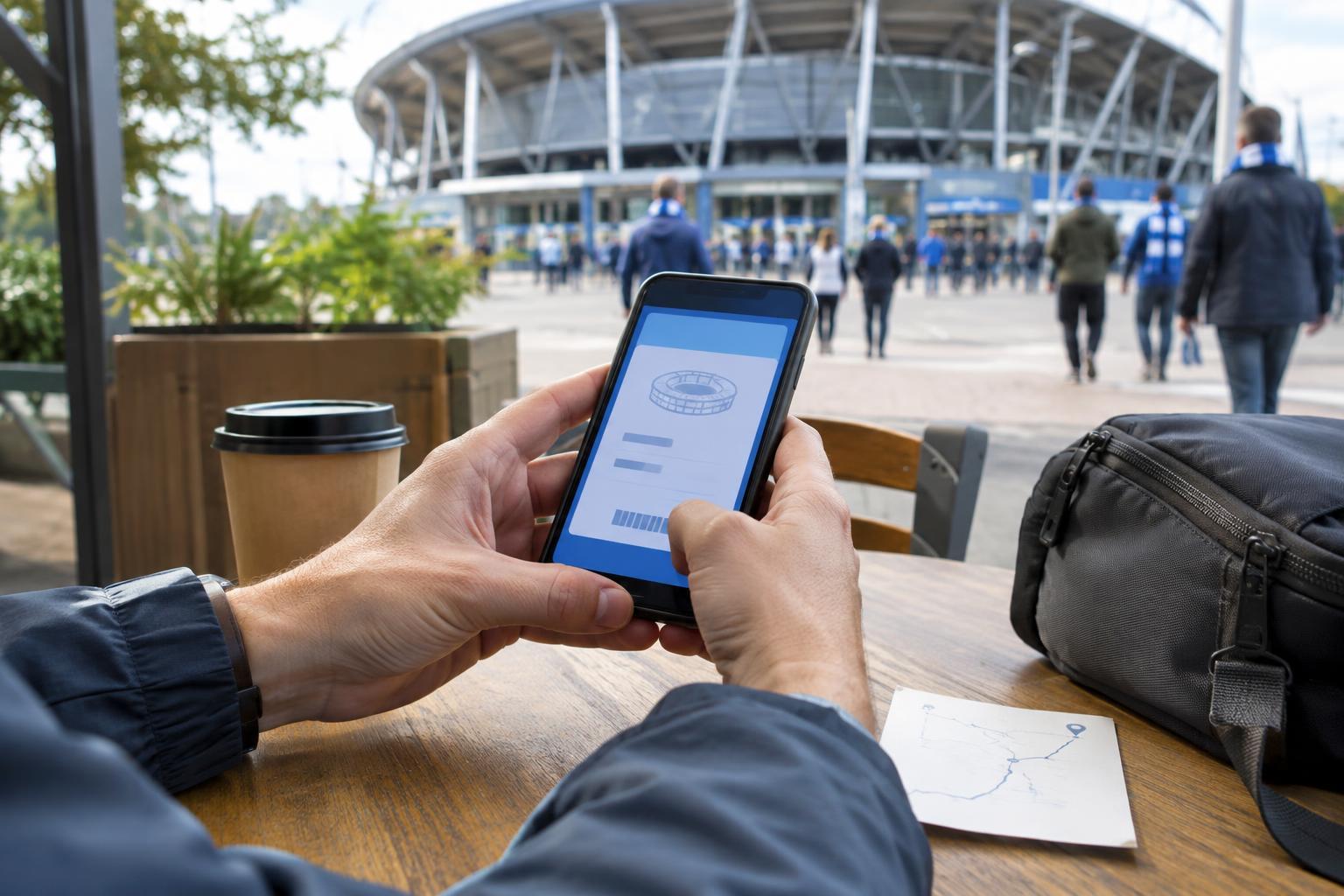
A stadium can have several entrances that look equally plausible from the street. Your ticket may identify a stand, block, turnstile or gate, while signs outside use local terms or abbreviations. Save your ticket information where you can reach it without a mobile connection, and compare it with the venue map if one is available. Identify a likely approach route before leaving your accommodation, but follow the signs and staff directions you encounter on the day.
Do not join the first long line you see without checking where it leads. Separate queues may serve different stands, hospitality areas or supporter sections. Some fixtures also use particular approaches for away supporters. If you are unsure, ask a steward before committing to a queue; turning around near the front can cost more time than a brief question at the start. Travelling with friends? Agree on a meeting point outside the busiest approach streets in case you arrive separately, and remember that each person may need their own ticket ready for inspection.
Make security checks straightforward
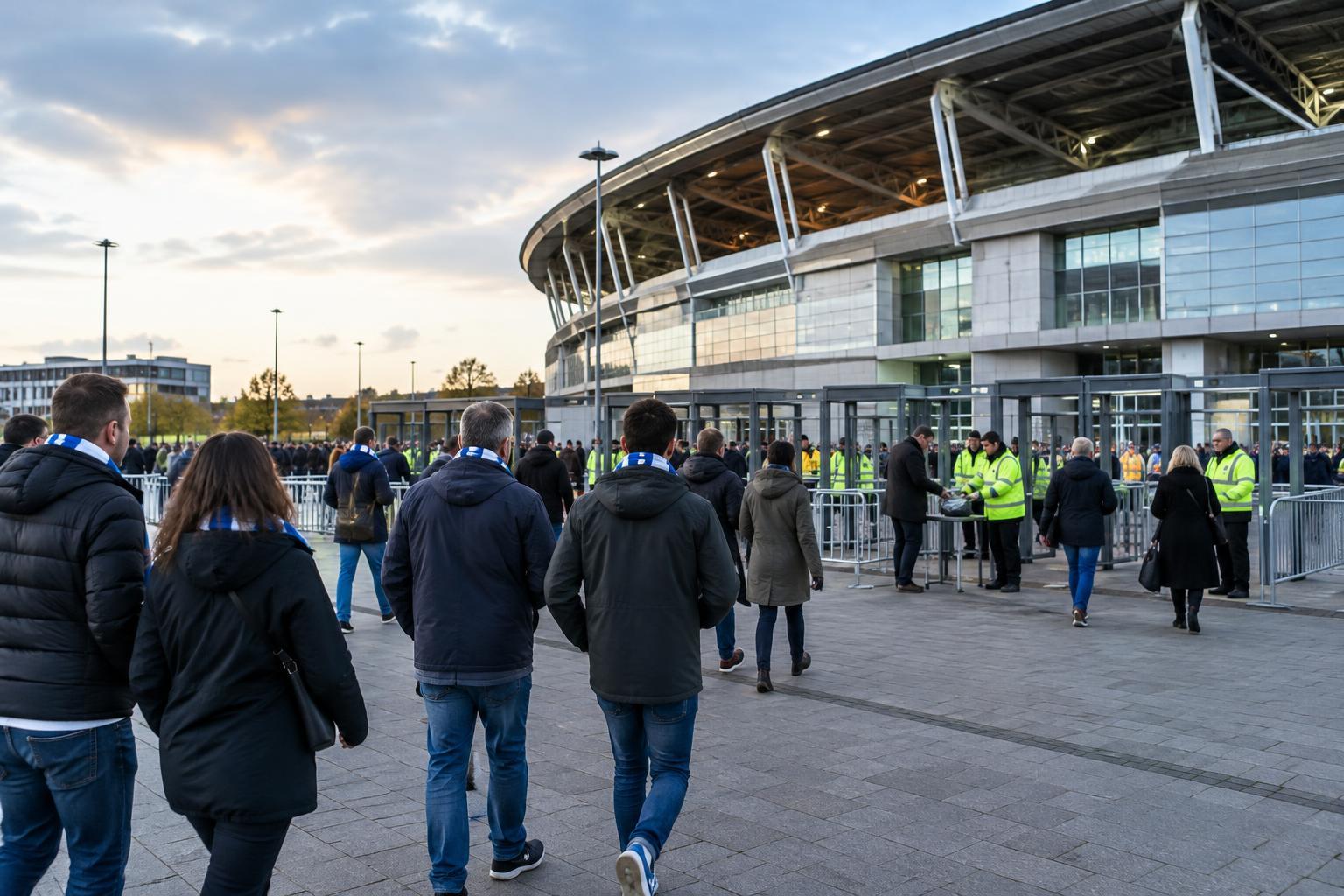
Bag rules deserve a check before you leave. A bag that is convenient for a day in the city may be too large for the ground, and storage may be limited or unavailable. Review the venue’s guidance on bag size and restricted items for your fixture. Pack only what you expect to need, with your ticket, phone and any permitted essentials easy to reach. Do not assume that an item allowed at another stadium will be allowed here.
At the entrance, staff may inspect bags, check tickets or direct supporters through separate lines. Keep your hands free enough to present what is requested, and allow the person ahead of you space to finish their check. If you have a question about an item or need assistance, speak to staff rather than trying a different queue in the hope of getting a different answer. Security procedures can feel slow when kick-off is close; preparing in advance is usually more helpful than trying to rush through them.
Protect your ticket and allow for small delays
Know how you will show your ticket before you reach the scanner. If it is on your phone, check that you can open it, charge your device and follow any instructions about using an app or displaying a code. A screenshot may not work for every ticketing system, so do not rely on one unless the issuer says it is acceptable. If you are using a paper ticket, keep it flat and accessible. Carry any identification or supporting document specifically requested in your booking information.
Small delays add up: a crowded platform, a wrong turn around the stadium perimeter or a ticket that takes another attempt to scan. Build your plan so none of these makes you miss the start of the match. If a ticket does not work, step aside when directed and ask an authorised staff member where to get help. Keep booking details available, but avoid sharing ticket codes or personal information with strangers offering a quick fix.
Plan the journey out as well
Arrival is easier when you have also thought about leaving. Note the station or stop you expect to use after the match and a second route if your preferred service is crowded or disrupted. The exit that suits your journey home may not be the one you used to enter, so orient yourself once inside and follow any steward instructions at full time. If you are travelling with others, agree where to meet if the crowd separates you.
A good stadium plan is flexible rather than minute-by-minute. Know your gate, check the current venue rules, carry what you need and give yourself time to respond to what you find on the ground. Then, once you are through the turnstile, you can put the logistics away and focus on the match.