Separate travel documents from matchday essentials
A passport may be indispensable for crossing a border and checking in, yet unnecessary to have in your pocket throughout an afternoon at the ground. Before leaving your accommodation, think through the day’s actual checkpoints: transport, stadium entry and the journey back. Carry what those steps require rather than everything you brought on the trip.
Check the venue’s entry guidance and your booking details before deciding which identification to take. Requirements can vary by country, competition and ticket type; a name on a ticket does not, by itself, tell you whether an identity check will happen or which document will be accepted. If a passport is specifically required, take it. If another accepted form of ID will do, you may be able to leave the passport secured. Do not rely on a photo or photocopy as a substitute unless the relevant guidance explicitly allows it.
Make a small, deliberate ground kit
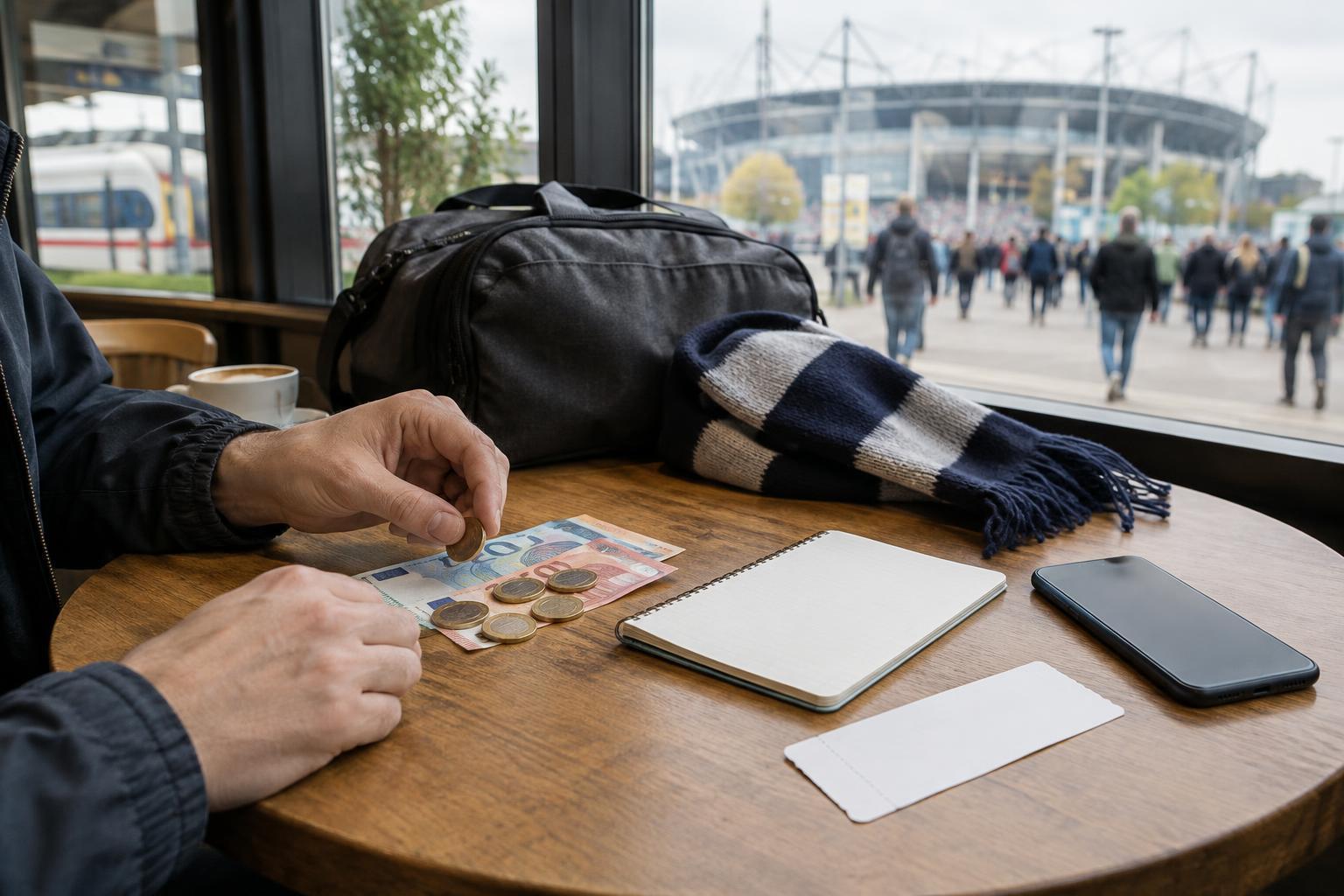
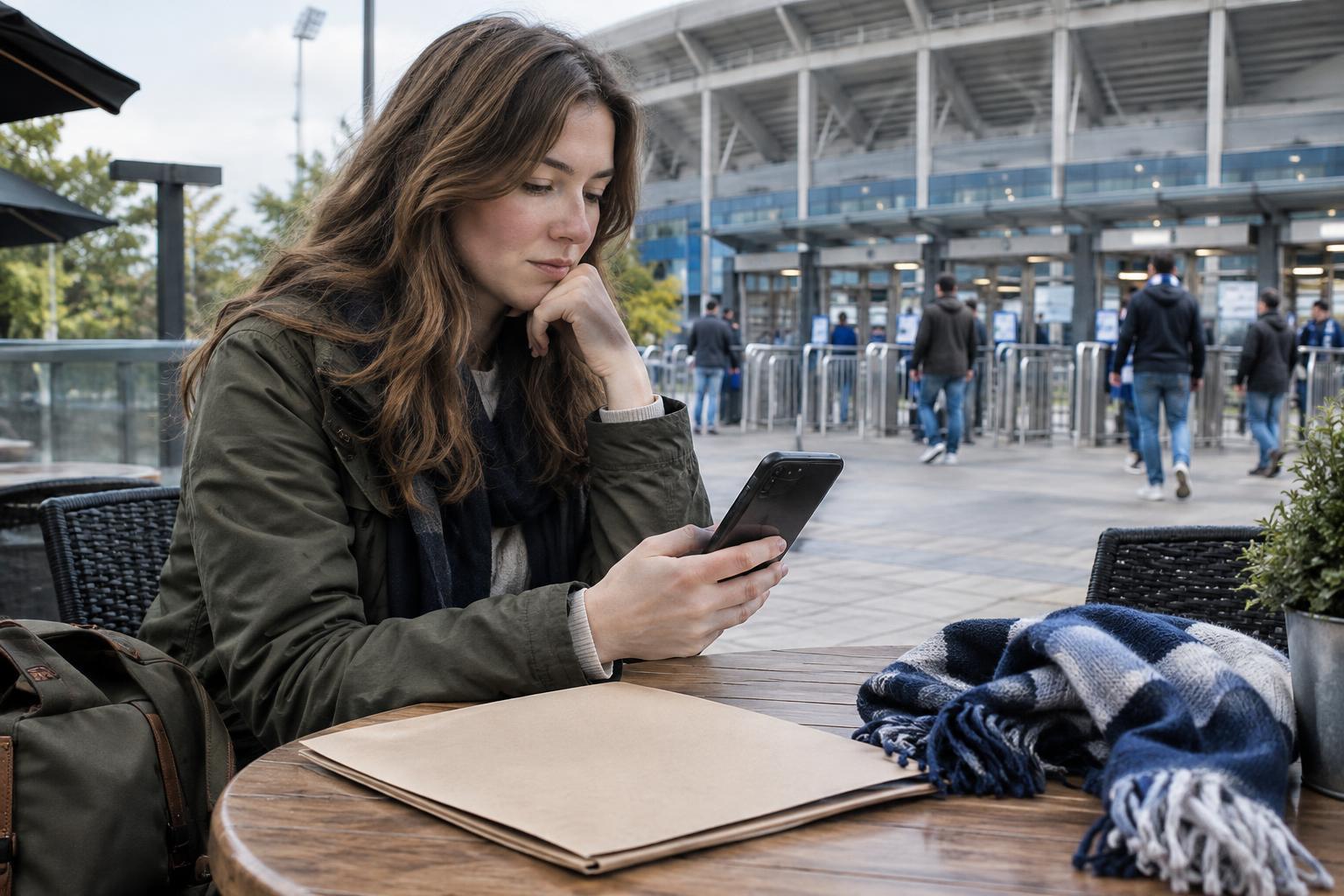
Keep your entry credential in the format required by the issuer, whether that means an app, a downloaded file or a printed ticket. If access depends on a phone, charge it before departure and consider a compact power bank if the stadium permits one. Save any necessary booking reference somewhere you can find without searching through a crowded inbox at the turnstile. A modest amount of payment capability and the ID you actually need complete a sensible core kit.
Pack those items together, but do not make one loss catastrophic. For example, you might keep your phone in a zipped pocket and an accepted physical ID in a separate secure pocket. Avoid carrying every card and document you own “just in case.” Check bag-size and prohibited-item rules too: a bulky document wallet is little help if the bag cannot enter the ground. Once inside, return documents to the same secure place after each check rather than setting them down during a queue or celebration.
Secure what stays behind
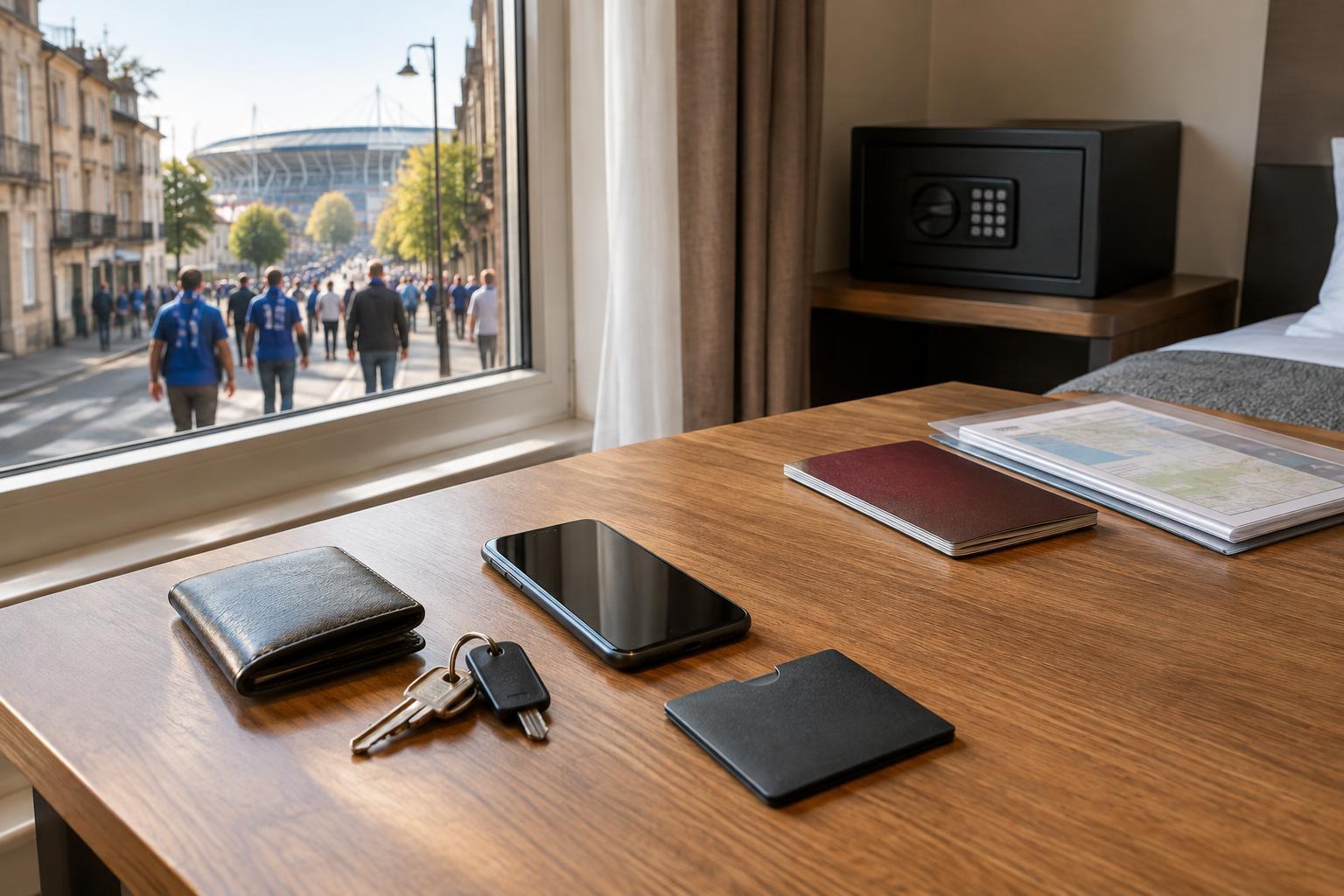
If you do not need your passport at the ground, leave it in a secure place at your accommodation, following any local requirements that apply to you. A room safe may be convenient, but it is not the only option; use your judgment about access to the room and the storage available. Keep the passport away from items likely to be picked up accidentally, such as a jacket hanging by the door. Before departure for home, make checking that storage spot part of your packing routine.
The same approach applies to spare bank cards, printed itineraries and extra identity documents. Leaving them together in an obvious, unsecured pile creates a different risk from carrying them all into a crowd. Keep a separate note of essential contact and booking information so a missing phone does not also mean losing every useful detail. If travelling with others, agree on a meeting place in case you become separated, without making one person the keeper of everyone’s documents.
Keep backups useful and private
A backup can help you retrieve a document number, contact a provider or explain what has been lost. Consider keeping a copy of the passport’s identification page and key reservations in a secure digital location you can access from another device. If you carry a paper copy, store it separately from the original. Neither kind of copy should be assumed to grant stadium entry or replace an original document for travel.
Choose a backup method that you can realistically use while away, and protect it with a strong account password and device lock. Be selective about what you save: an entire folder of tickets, card images and identity scans creates more to protect than you may need. Avoid sending sensitive documents into group chats simply for convenience. Share trip details with companions when helpful, but keep identity and payment information limited to those who need it.
Plan a calm response to a loss
Before matchday, note the contact route for your accommodation, ticket provider, bank and the relevant passport-issuing authority. If a document disappears, retrace your steps without delaying any time-sensitive report or card security action. Venue staff or a transport operator may have a lost-property process, while your passport-issuing authority can explain the steps for replacing a travel document. Procedures differ, so treat your saved contacts as a starting point rather than assuming one standard fix.
A good matchday plan is deliberately unremarkable: confirm the entry rules, take the necessary documents, secure the rest and know where your backups are. That leaves less to manage in a busy station or stadium queue—and more attention for the match.