Start with kickoff, then work backward
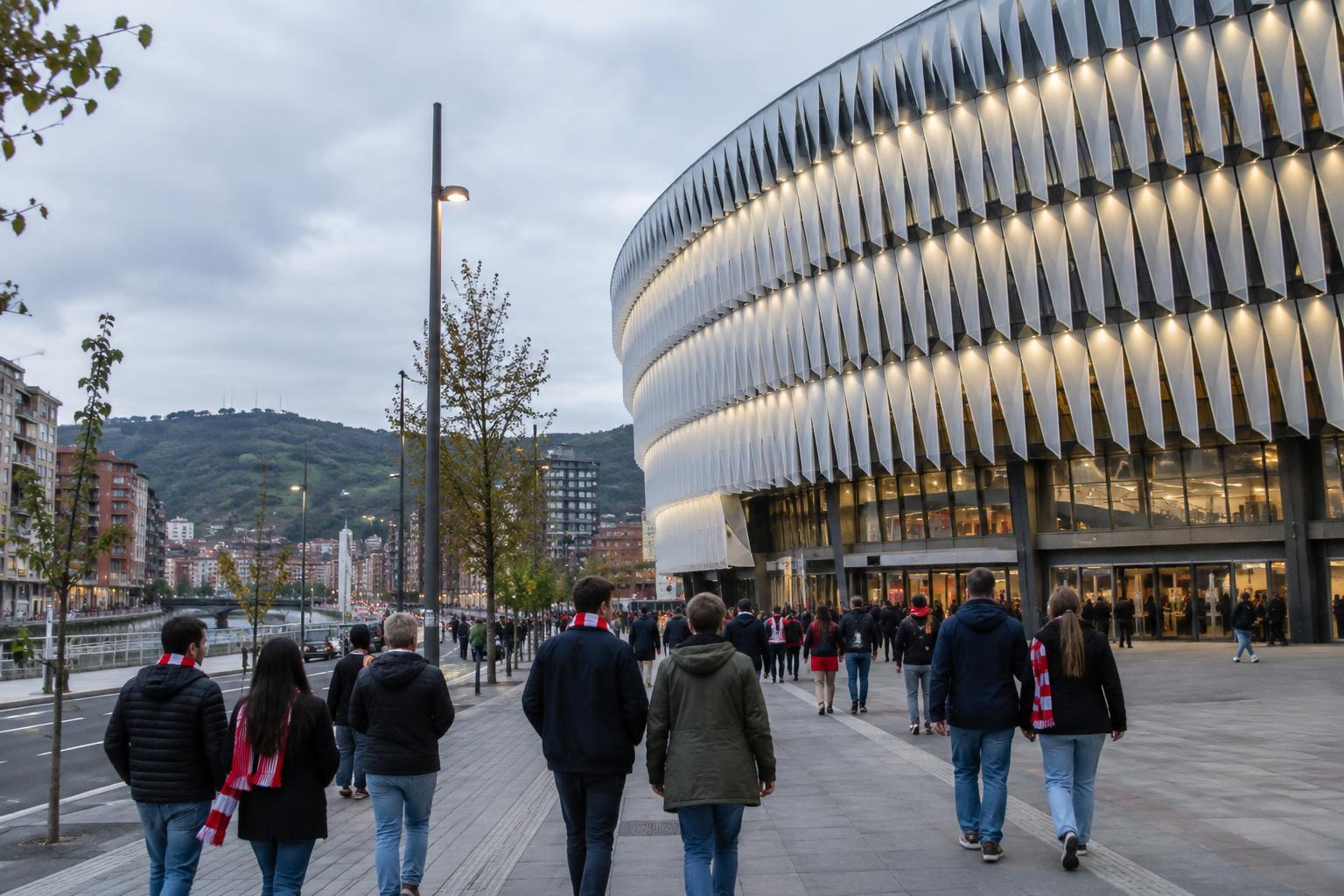
Kickoff is the fixed point of a family football trip, but it should not be the only thing on the itinerary. Begin with the journey from your accommodation to the stadium. Check the route, the likely walking distance and any transfers. Then allow time to find the entrance, pass through checks, visit the toilets and settle into your seats. A route that looks short on a map can feel longer with children, bags or a crowded station.
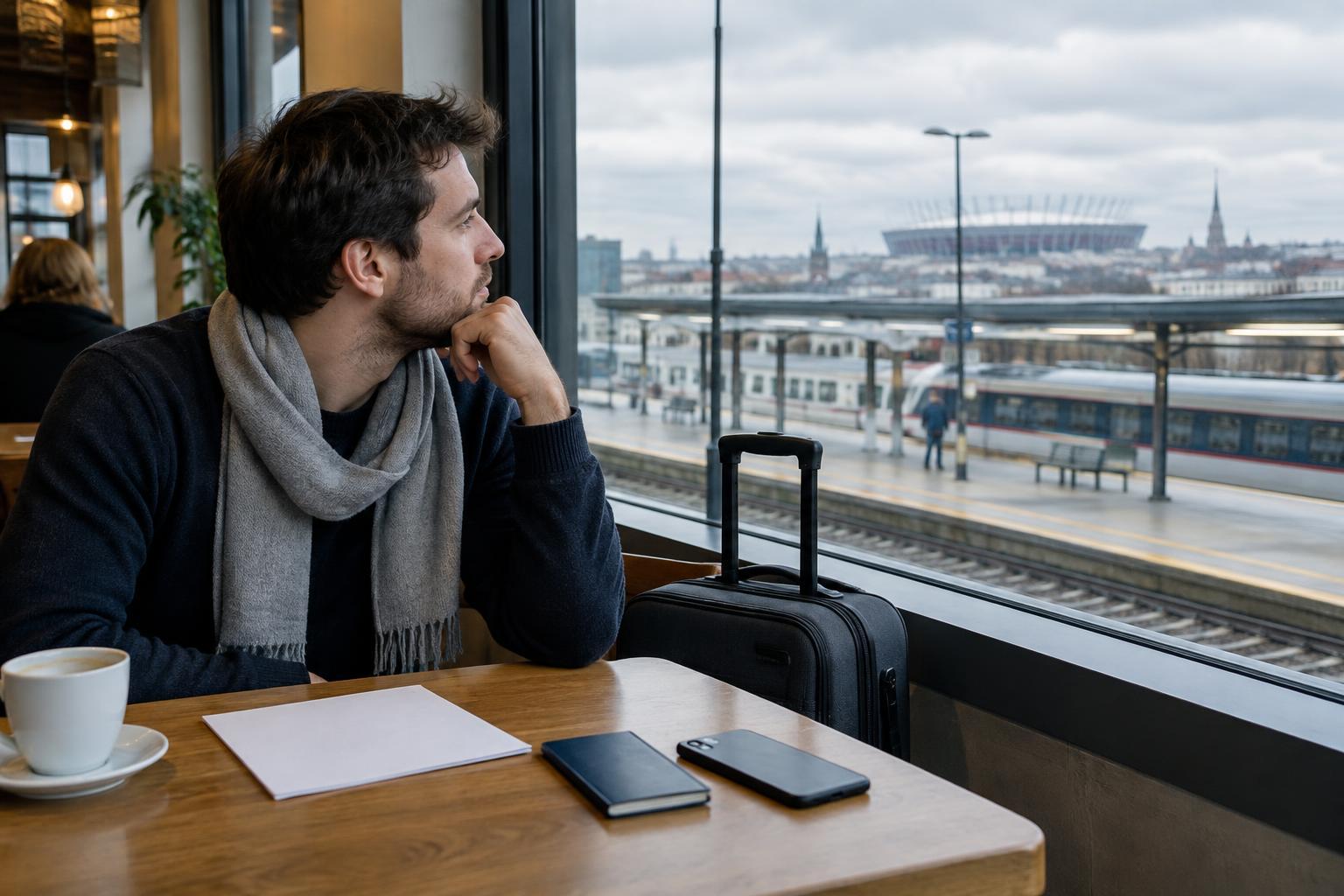
Build a day with only one or two priorities before the match. A relaxed breakfast and a short visit to a neighborhood near the stadium may be more enjoyable than trying to fit in several sights. If you are traveling to the host city that morning, consider whether a delayed train or flight would leave you rushing. Arriving the day before, when practical, can make matchday less dependent on everything running perfectly.
Give meals a place in the schedule
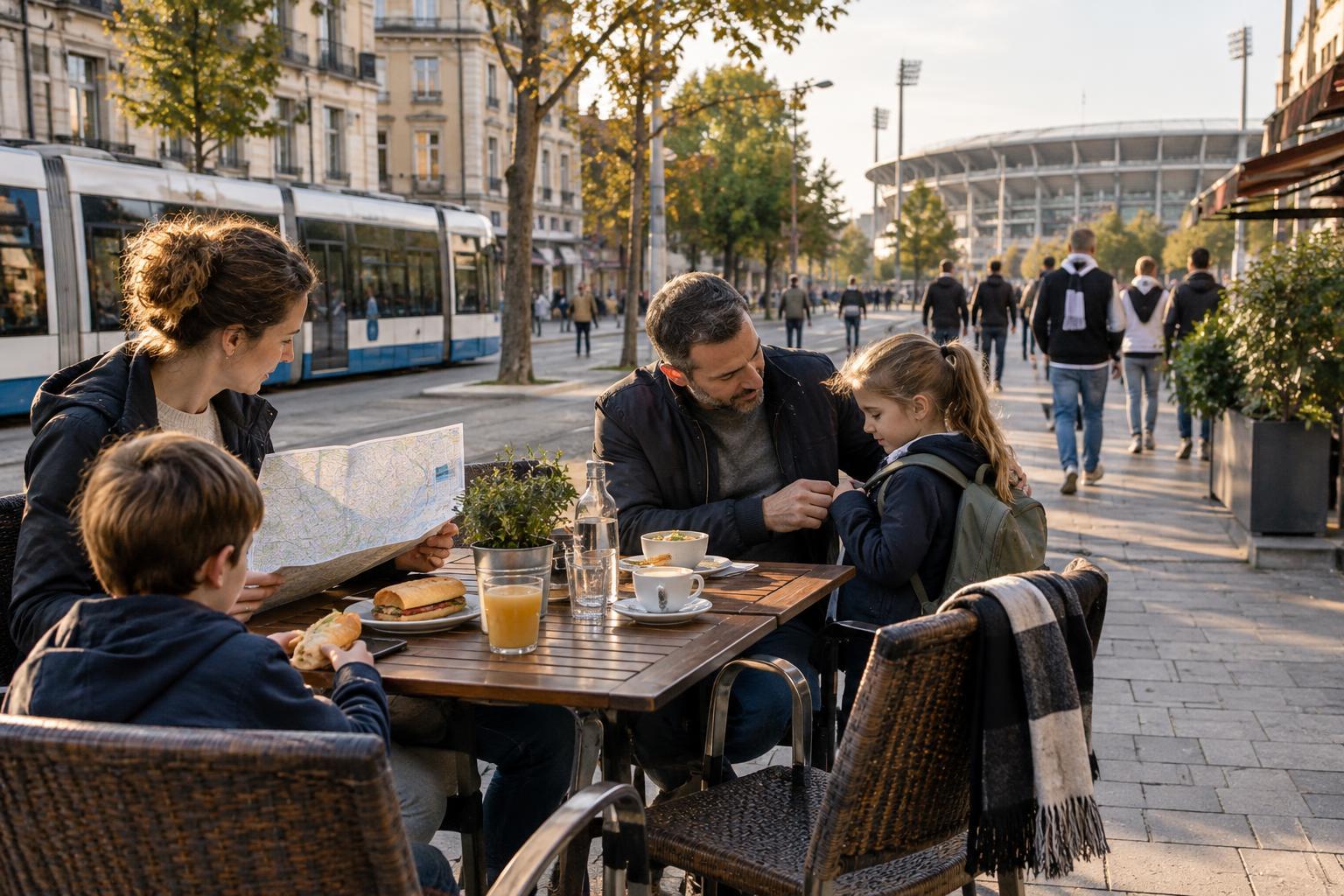
Hungry travelers rarely enjoy a long queue. Plan a substantial meal far enough ahead of kickoff that there is no need to hurry through it. Look for a place with familiar options for younger family members, and check its opening hours before relying on it. If you prefer to eat near the stadium, expect the area to become busier as kickoff approaches and keep a second option in mind.
Carry water and suitable snacks for the journey where permitted, but check the venue’s current rules before packing food or drinks for entry. It can also help to decide in advance whether you will buy anything inside the ground. Concourse queues may take time, and leaving your seats for food can mean missing part of the game. After the final whistle, a simple supper near your accommodation may be easier than searching for a restaurant alongside departing crowds.
Match the pace to the youngest traveler
An exciting stadium can also be loud and tiring. Ask children what they are most looking forward to, then leave space for that experience rather than filling every hour. A playground stop, a quiet café or time back at the accommodation can make the match feel like the highlight of the day instead of its final test of endurance. For children who are sensitive to noise, consider suitable hearing protection and a plan for stepping into a quieter area.
Think through the practical stops adults can overlook: toilets before boarding transport, a chance to sit after a long walk and clothing that works if the temperature changes. Let older children help follow the route or spot a meeting point. Younger children may benefit from knowing, in simple terms, what happens on arrival, during the match and on the way home.
Prepare for the stadium without overpacking
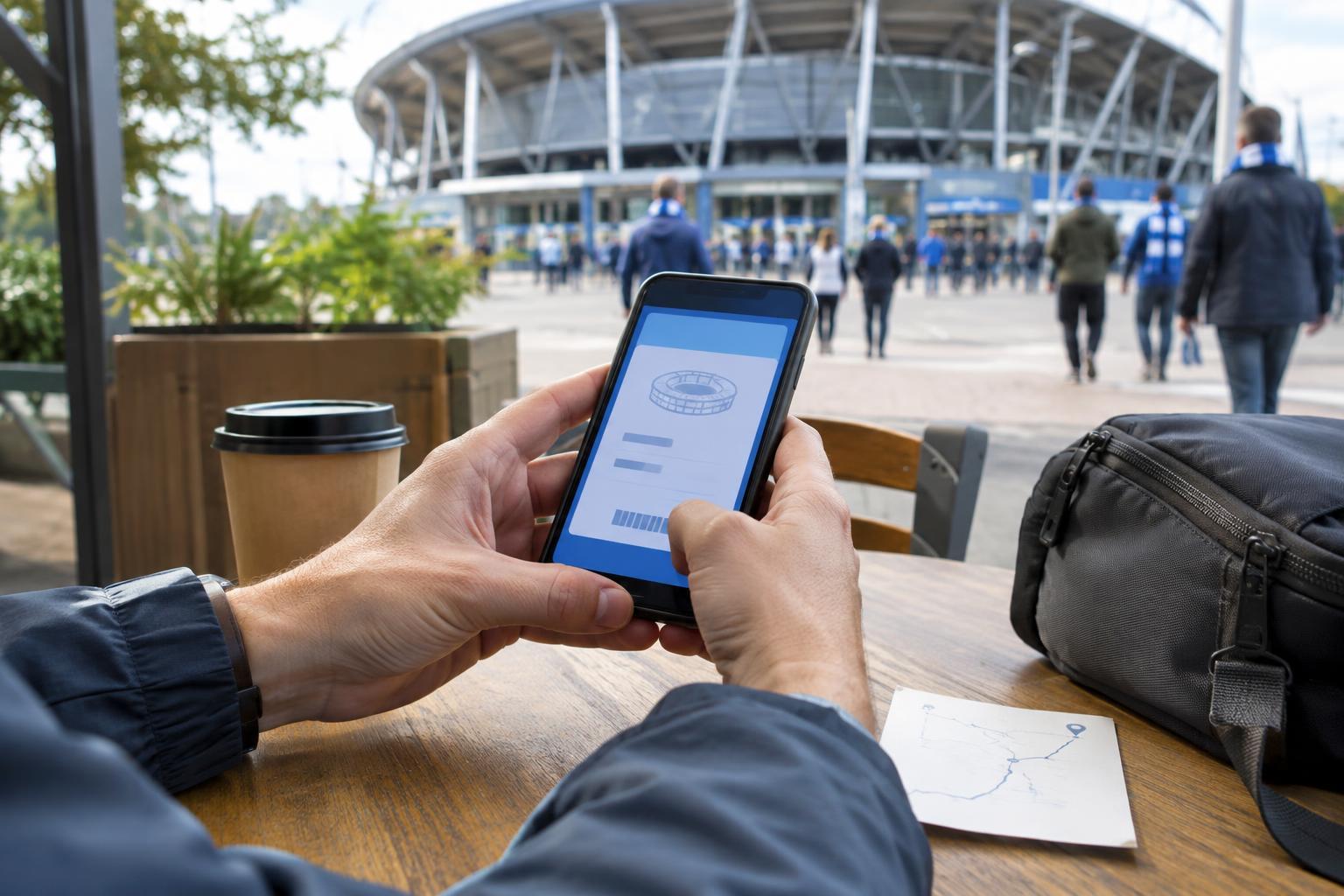
Before departure, check your ticket details and the venue’s latest entry information. Note the correct entrance, any bag restrictions and whether tickets need to be shown on a charged phone or in another format. If you need accessible routes or seating information, look into those arrangements ahead of time rather than trying to solve them at a busy gate. Keep essential travel items together so one adult is not searching through several bags while the group waits.
Pack for the forecast, but keep the load manageable. Comfortable shoes and an extra layer are often more useful than a bag full of just-in-case items. Make sure everyone knows who carries the tickets, where the group will meet if separated and which adult a child should ask for help. These small decisions are easier to make in a quiet room than outside a crowded stadium.
Plan the journey home before the match begins
The final whistle does not always mean an immediate departure. Stations and tram stops may be crowded, and a child who has enjoyed every minute may suddenly be exhausted. Compare the main route home with an alternative, and check whether a gentle walk to another stop is realistic for your family. If you have a reserved departure, leave a generous buffer rather than assuming you will move quickly through the crowd.
A good family plan is a guide, not a challenge to complete. If the morning runs late, drop the optional sightseeing. If everyone has energy after the game, take time to talk about favorite moments over a meal. The aim is to make travel, food and rest support the football experience, so the family remembers more than the rush to get there.