Think beyond the ninety minutes
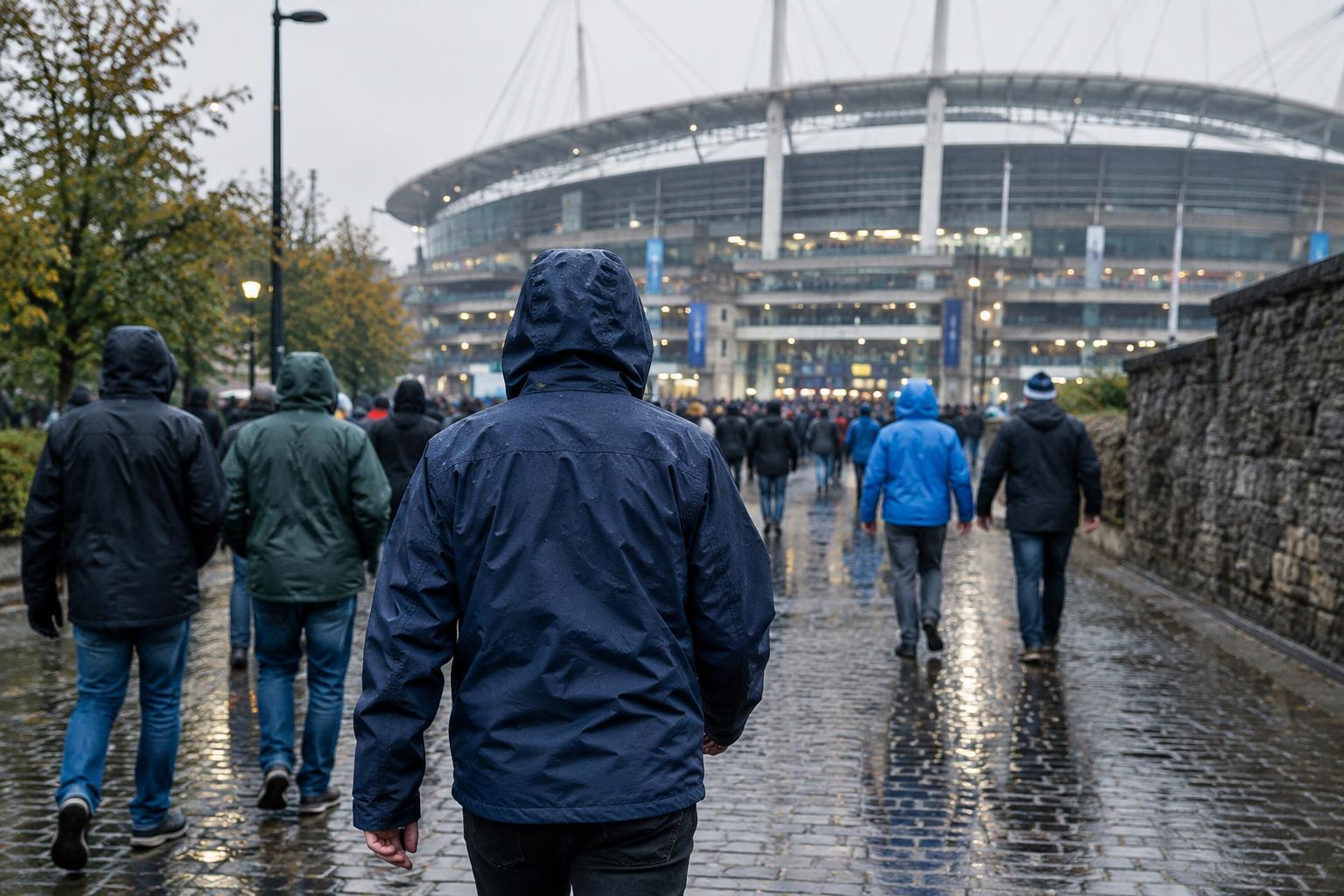
Rain can shape an entire matchday: the walk from the station, time spent outside the ground, a queue at the turnstiles and the journey home. An umbrella helps on an open pavement, but it can be awkward in a crowd and difficult to use without blocking someone else’s view. Some venues may also restrict umbrellas, so it is worth checking the ground’s current entry rules before you travel. A compact waterproof jacket keeps your hands free and stays with you as you move between trains, streets and stands.
The aim is not to buy the heaviest outdoor coat you can find. For a football trip, a useful jacket is one you will actually carry when the forecast looks uncertain. It should fit over the clothes you expect to wear, shed sustained rain and pack into a bag that meets the venue’s rules. Those needs offer a better starting point than a long list of technical features.
Know what the label promises
A water-resistant jacket can be useful in a brief shower, but it may let water through during a long, wet walk or an exposed match. For more dependable coverage, look for a jacket described as waterproof, with sealed or taped seams. Water can enter through stitching even when the main fabric repels it. A front zip protected by a flap or designed to resist rain is helpful too, particularly if you expect to stand outside for a while.
Breathability matters on travel days. A jacket that keeps rain out but traps warmth can become uncomfortable on a crowded train or a brisk walk uphill. Features such as underarm vents or a zip that is easy to adjust can help you manage that. No jacket will feel equally comfortable in every temperature, so consider the season and your usual pace rather than assuming the highest level of weather protection is always the best choice.
Check the fit while moving
Try a jacket on with a jumper or other layer similar to what you would wear to a match. Raise your arms, sit down and turn your head. The hem should still cover your waist when you move, while the sleeves should reach your wrists without swallowing your hands. A slightly longer back can be welcome on wet seats, but an oversized jacket may flap in the wind or bunch up when you sit.
Pay particular attention to the hood. It should stay in place when you turn to speak to a companion or look up at a scoreboard. An adjustable hood and a brim can help keep rain off your face without narrowing your view too much. Adjustable cuffs and a hem drawcord can reduce draughts, though simple closures may be easier to handle with cold fingers. If possible, test all of them before leaving home.
Make pockets and packing work for the trip
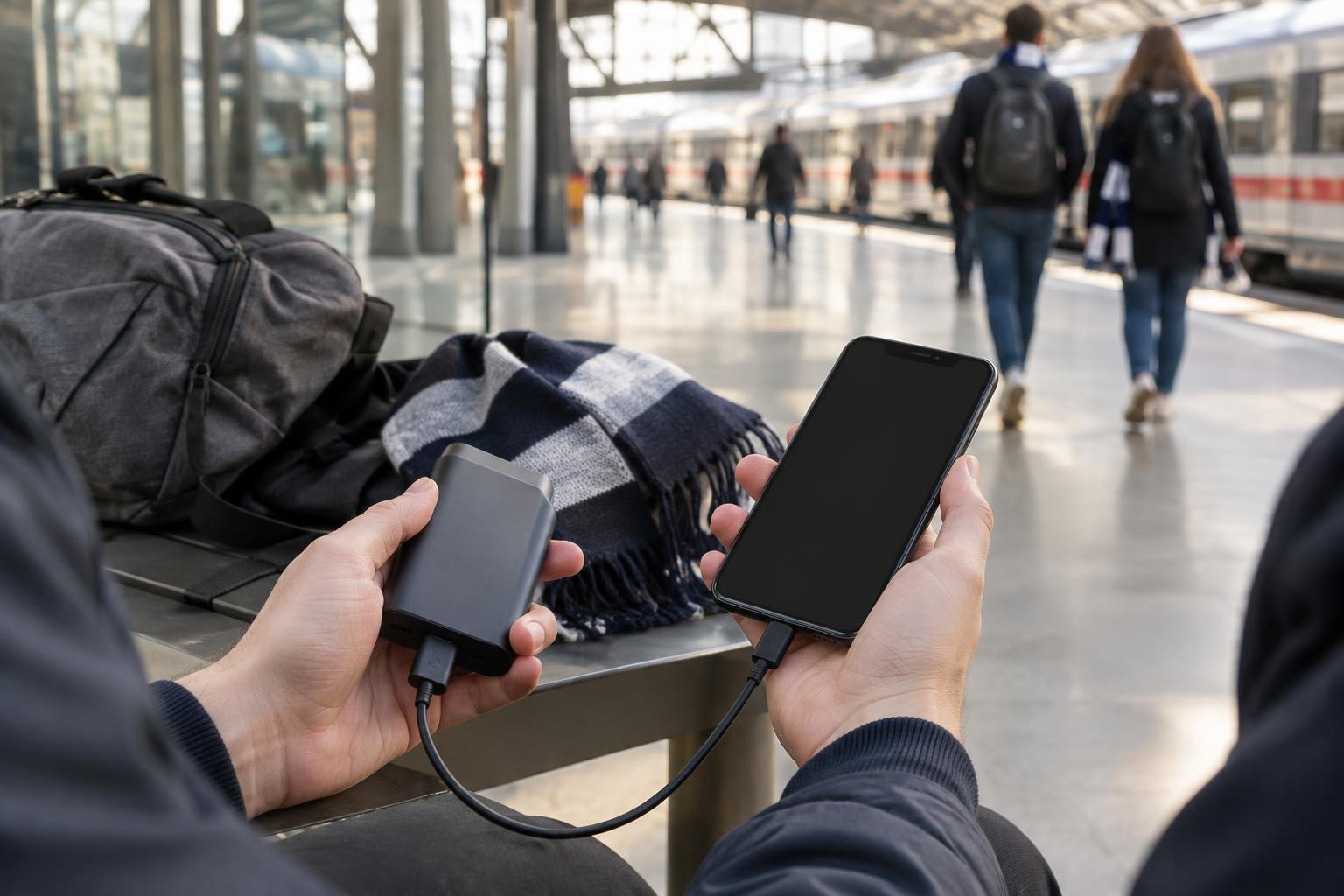
Matchdays involve frequent small tasks: finding a travel card, checking directions or putting away a phone before rain reaches it. Pockets that close securely and remain accessible while you wear a small bag are more useful than numerous awkward compartments. Even a well-designed pocket is not a guaranteed dry place for electronics, so a separate protective pouch is sensible in prolonged rain.
A packable jacket should fold down without a struggle and leave room for the rest of your day’s essentials. Check its packed size against any bag limits set by the venue rather than assuming a small backpack will be allowed. If you are travelling without a bag, consider whether the jacket is comfortable enough to wear through dry spells or compact enough to carry in one hand. A tiny packed size is less valuable if the jacket is too flimsy for the conditions you are likely to face.
Use and care for it well
Before setting out, put the jacket somewhere easy to reach instead of burying it under spare clothes. If rain begins while you are in a crowd, having it ready is much simpler than stopping to unpack. Wear warm layers underneath when needed: a waterproof shell blocks rain, but a lightweight one may add little warmth on its own. After the match, avoid leaving a wet jacket compressed in its pouch for the rest of the trip.
Back at your accommodation, hang it up to dry and follow its care label when it needs washing. Dirt and wear can reduce how effectively the outer fabric sheds water, while damage to seams or closures can affect protection more directly. A quick check before your next journey gives you time to deal with a problem. The best rain-ready jacket is not necessarily the most elaborate one; it is the one that fits, travels easily and lets you focus on the football rather than the weather.