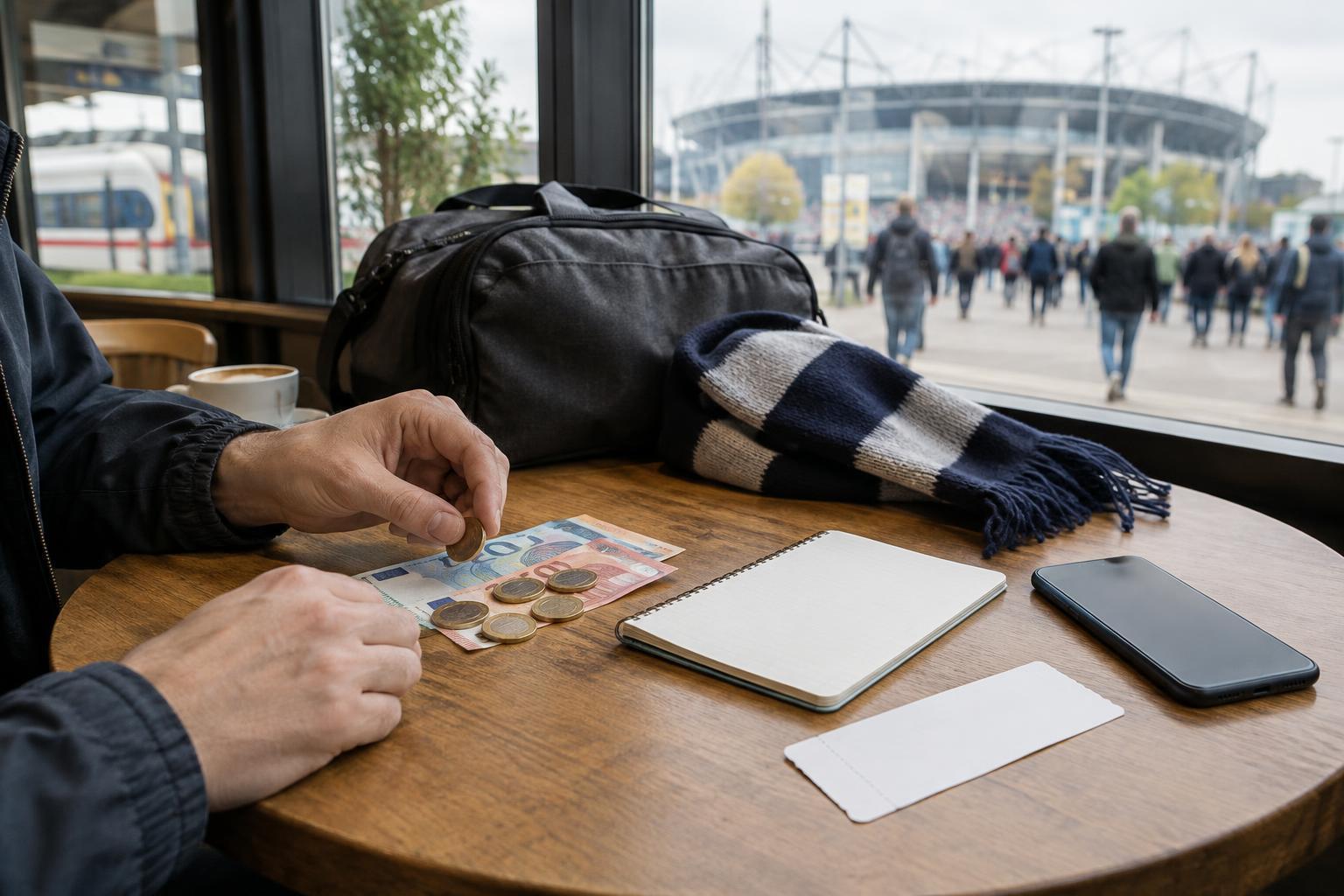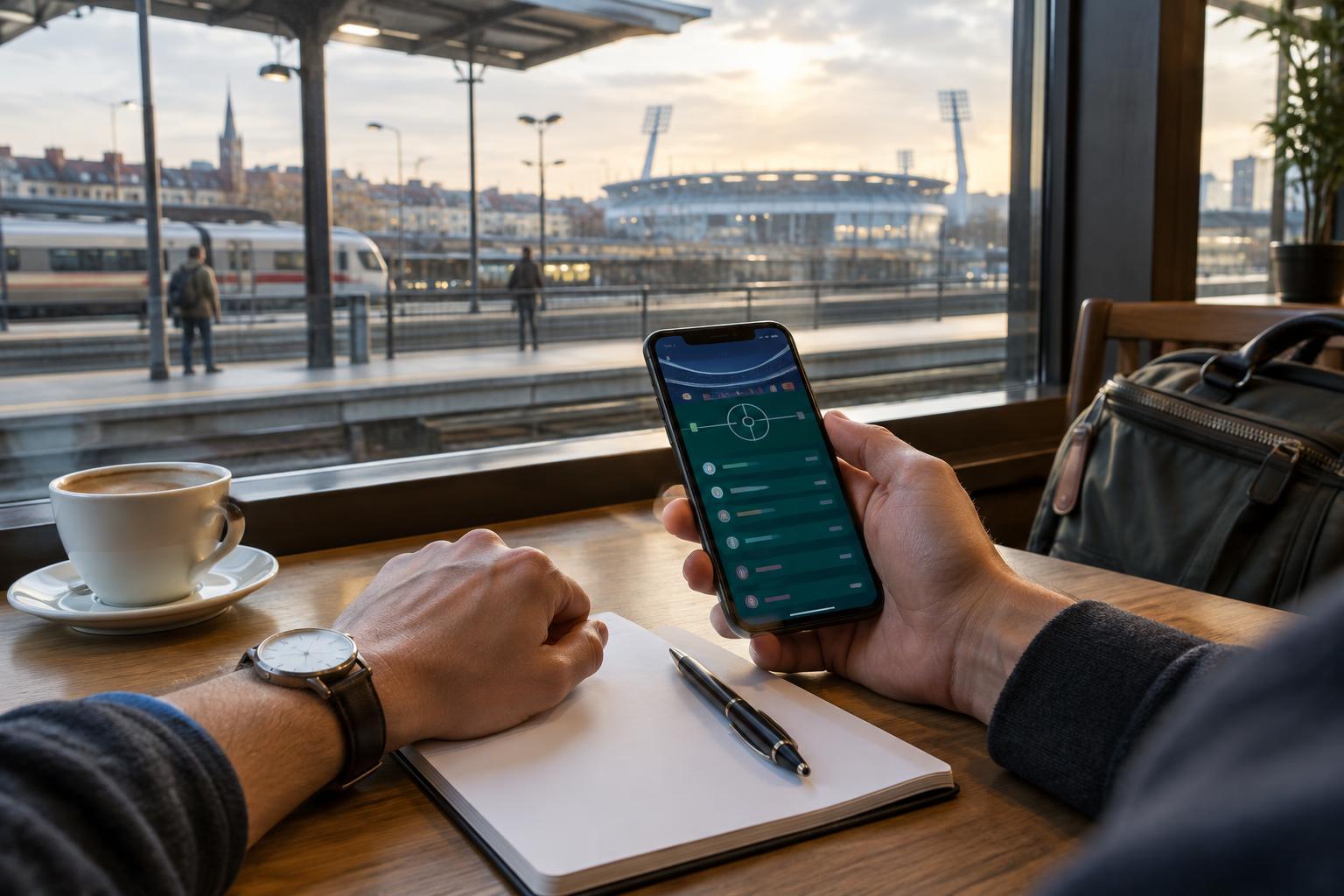
A fixture listing is a starting point, not a promise
A match may appear on a calendar well before its exact kickoff time is settled. Early listings help supporters see which weekend or round to keep free, but they do not always provide enough certainty to book a tight itinerary. Even a fixture showing a specific time can change later. If the game is the reason for your trip, treat the listing as something to verify rather than a fixed appointment.
The first question is not just “When is kickoff?” but “How certain is this listing?” Look for wording such as provisional, subject to confirmation or subject to broadcast selection. Check the match date, kickoff time, venue and time zone together. A saved screenshot or calendar entry is useful for your own planning, but it will not update when the fixture does.
Why a match can move
Broadcast scheduling is a common reason for changes. A competition may initially group matches on a particular day, then assign different kickoff slots once coverage arrangements are set. Cup progress can also affect the calendar: a team still involved in another competition may need a different matchday or more time between fixtures. Changes do not necessarily mean anything has gone wrong; they can be part of finalising a crowded schedule.
Other factors can include stadium availability, local event planning, travel logistics and arrangements for managing crowds. Weather or an unexpected disruption may lead to a later change or postponement. The precise reasons and decision-makers vary by competition, so it is safer to follow the fixture itself than to assume that a familiar league or tournament will handle every round in the same way.
Build a reliable checking routine
Start with the competition organiser’s fixture page and the home club’s match page. They should be your primary checks for the date, time and ground. If you have a ticket, also read messages from the ticket issuer for any entry-related updates. Travel apps, search results and fan calendars are convenient for an overview, but they may lag behind a change or display a time in your device’s time zone.
Check the fixture before making a booking, again before any free cancellation deadline, and once more shortly before you travel. Compare the details across the relevant pages rather than relying on a notification headline. If the sources disagree, avoid making a new non-refundable commitment until you can clarify the schedule. For a cross-border trip, pay particular attention to local time: the time shown at home may not be the time displayed at the stadium.
Book around uncertainty, not just kickoff
Where your budget allows, choose transport and accommodation with manageable change or cancellation terms while the fixture is provisional. Read the conditions, not just a “flexible” label: there may be a deadline, a fare difference or restrictions on what can be changed. If flexibility is too expensive, consider whether you would still enjoy the destination if the match moved outside your available window.
Avoid an itinerary that depends on arriving in the city shortly before kickoff or leaving immediately after the final whistle. A shifted kickoff can turn a comfortable connection into an impossible one, and the journey between an airport, station, hotel and stadium takes time. Check your likely route to the ground and the return options for both an afternoon and an evening match. If late public transport is limited, know what your alternative would be before you commit.
Make the match the anchor, with room to move
A useful football trip has a firm purpose but a loose enough structure to absorb a change. Keep sightseeing plans movable where possible, and avoid stacking another timed activity against the match. If you are travelling with others, share the same fixture link and agree who will check it before booking decisions. That simple habit can prevent one person’s outdated calendar entry from shaping the whole trip.
No checking routine can guarantee that a match will go ahead exactly as listed. It can, however, help you spot uncertainty early and make choices you understand. Confirm the fixture through the competition and club, check the local time and venue, then match your bookings to the level of risk you are comfortable taking. The reward is not a perfect schedule; it is a trip that remains workable when the football calendar moves.