Build a plan you can actually use
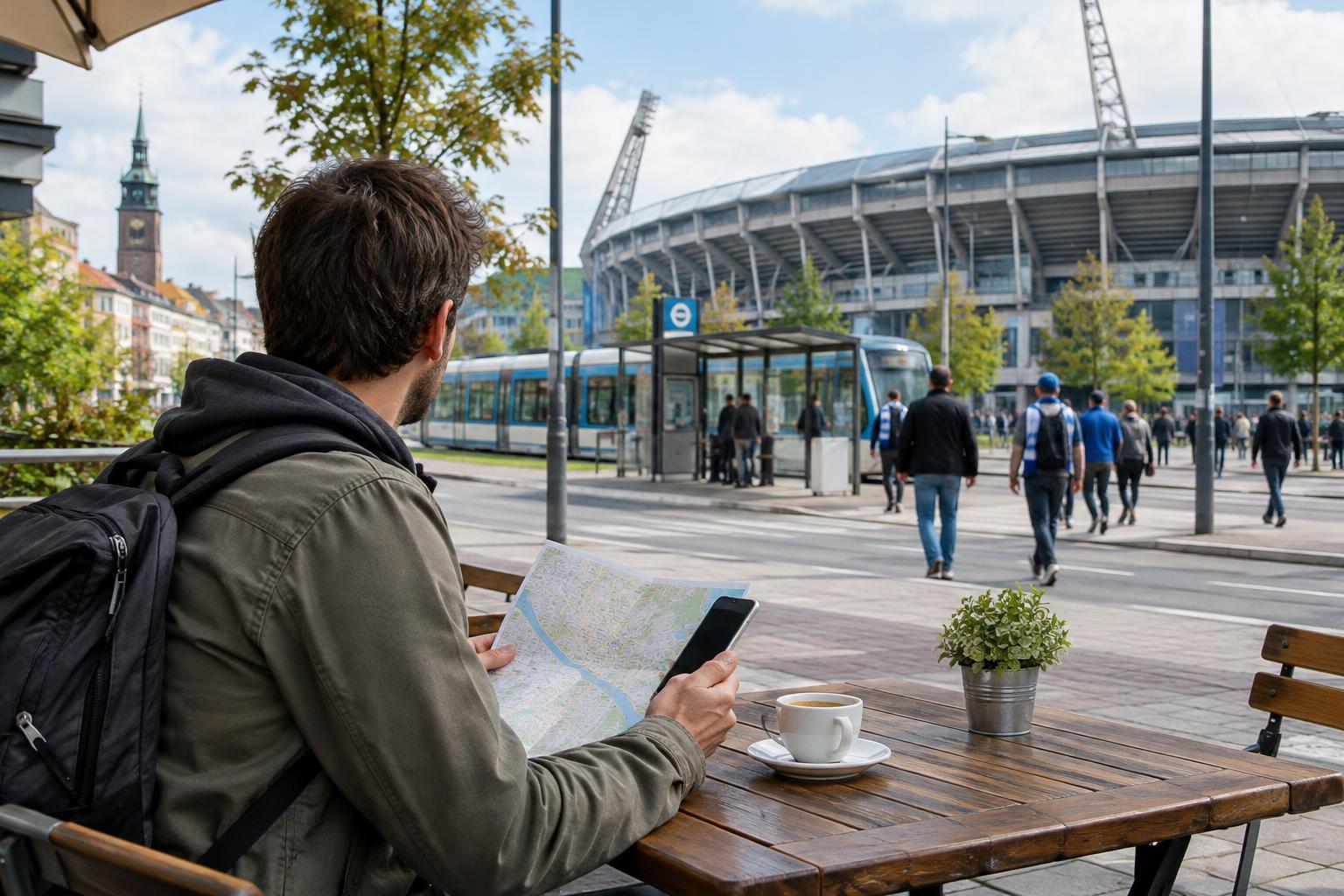
A solo football trip does not need a minute-by-minute itinerary. It does help to know where you will sleep, how you expect to reach the stadium and what you will do after the match. Before leaving, save your accommodation address, booking details and likely transport route somewhere you can access without mobile data. Keep a second copy separate from your phone, whether that is a small note in your bag or a downloaded file available offline.
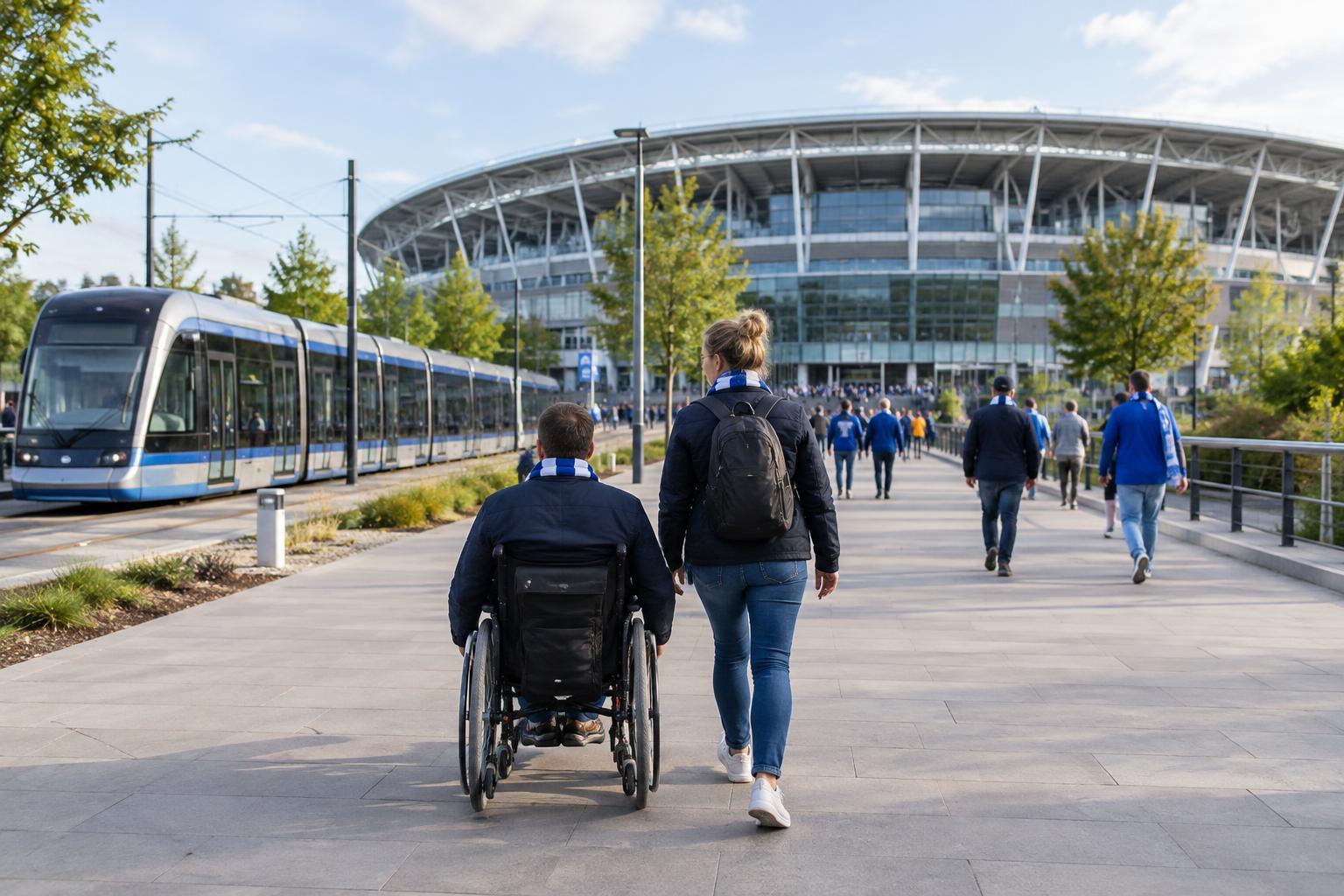
Check the stadium’s published entry guidance when planning your route. The entrance printed on your ticket may be on a different side from the place that looks closest on a map, and bag rules can vary by ground. Allow time for finding the right gate, joining a queue and dealing with an unexpected change of platform or street closure. Treat your plan as a guide rather than a promise that every connection will run smoothly.
Share the essentials with someone you trust
Send a trusted person a short outline: your destination, accommodation details, match venue, approximate arrival and departure times, and the best way to contact you. Agree on one or two check-in moments, such as after reaching your accommodation and after returning from the match. This is more useful than sending a constant stream of updates that either of you may struggle to follow.
Decide in advance what that person should do if you miss a check-in. A sensible first step might be to try another contact method and allow for a flat battery or delayed train. Share booking references only if there is a reason they may need them, and avoid posting your accommodation address or live location publicly. If you change cities, accommodation or travel plans, send a brief update so your shared outline remains useful.
Choose meeting points before the crowd arrives
Travelling solo does not mean spending the whole trip alone. You might meet a friend, join acquaintances for a meal or arrange to walk to the ground with other supporters. Choose a specific, easy-to-identify meeting point rather than saying “outside the station” or “near the stadium.” A named station exit, a public square or a clearly marked entrance to a café is easier to find when streets are busy.
Agree on a time, a short waiting window and a backup location. Stadium entrances can be crowded, and mobile service may be less reliable when many people are using it at once. A meeting point a little away from the turnstiles may be easier to reach, provided everyone knows how to get from there to their assigned entrance. If you are meeting someone for the first time, choose a public place and keep your own route back in mind.
Make the journey home part of the matchday plan
It is tempting to plan everything around kick-off, but the trip back deserves equal attention. Look up the usual route from the stadium to your accommodation and note an alternative if that route is disrupted. Check whether your expected connection gives you enough time to leave the ground and reach the stop without rushing. If you are unfamiliar with the city, it may be more comfortable to travel with the main flow of people to a well-lit station than to take an isolated shortcut that only looks faster on a map.
Carry what you need to get home independently: a charged phone, a way to pay for transport and the address of your accommodation. A small power bank may help on a long day. Before entering the ground, decide where you will keep your essentials so they are secure but easy to reach. Keep valuables close in queues and on busy services, and give yourself permission to leave an uncomfortable situation rather than wait for it to improve.
Leave room for the best parts of travelling alone
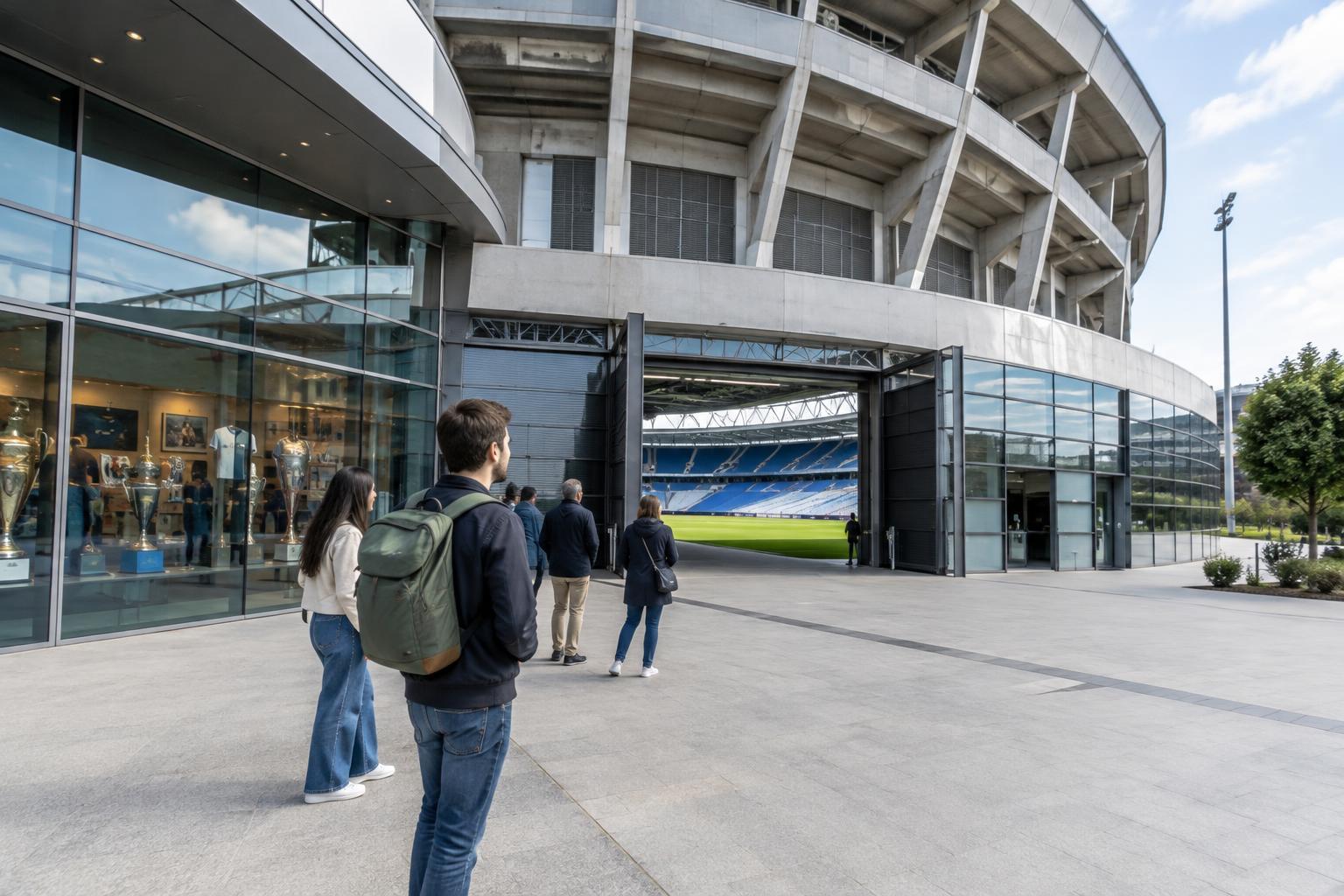
A checklist should support the trip, not fill every hour. Pick a few priorities beyond the match, perhaps a neighbourhood walk, a local meal or a visit to a football-related place, and leave space between them. You may want to spend longer somewhere than expected or skip an activity after a tiring journey. Booking fewer tightly timed commitments makes those choices easier.
Before setting out each morning, review what must happen that day and what can change. Confirm the essentials, such as your ticket details and route to the ground, then let the optional parts stay optional. With someone aware of your broad plans and a clear way back to your accommodation, you can enjoy the freedom of a solo football trip without relying on everything going exactly as planned.