Start with the place, not just the biggest club
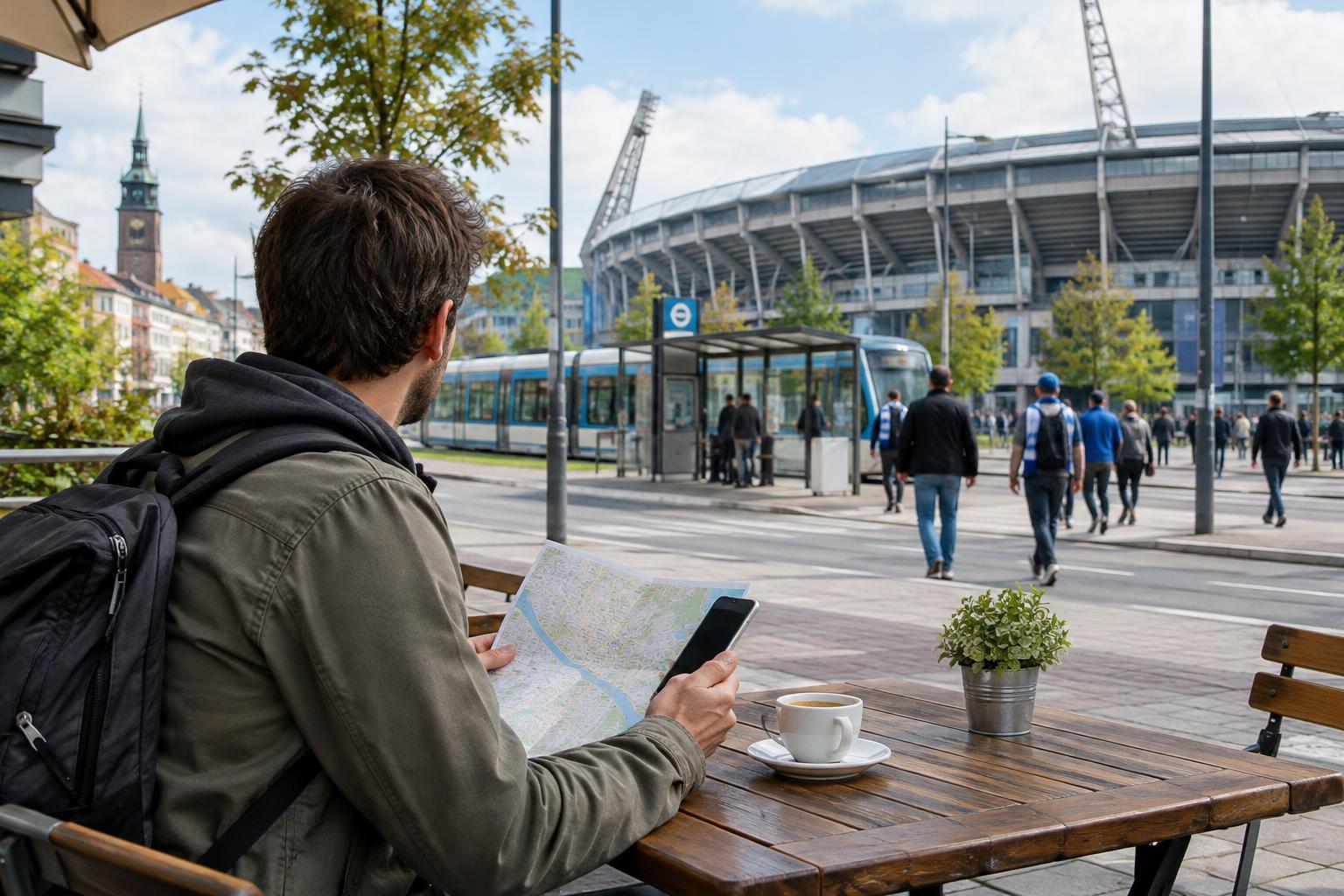
When planning a football day abroad, begin with the city or region you will actually be in. A famous club may be away from home, while a smaller professional, semi-professional or women’s team could be playing nearby. Look at a map before committing to a match: a ground described as being in a major city may require a longer trip than its name suggests. Consider whether you want an afternoon excursion, an evening out or a match you can reach on foot from your accommodation.
Make a short list of clubs within a comfortable travel radius, then check which competitions they play in. League and national football association websites can help you discover teams you might otherwise miss. Search results and fixture apps are useful for building that list, but treat them as starting points rather than final confirmation.
Check fixtures at the source
The club’s official website is usually the best place to confirm its next home match. Look for a fixtures page and a separate match information page, which may include the stadium address, entry arrangements and any change to the advertised kick-off. League or competition websites offer a useful second check, especially when you are comparing several clubs. If either page is unclear, the club’s official social channels may carry practical updates closer to the day.
Pay attention to the date as well as the opponent. Kick-off times can change, and a fixture may move to another day or venue. Cup matches and later rounds of competitions may not have all their details settled when you first make travel plans. Save the exact competition, opponent and venue, then check them again before buying travel and once more on matchday. If information conflicts, contact the club rather than guessing.
Find visitor information before buying a ticket
Once a match looks possible, follow the ticket link from the club’s own website. That is a safer way to find its sales information than relying on an unfamiliar listing. Check whether tickets are available in advance, whether a club account is required, and how tickets are delivered or collected. Some matches may be easy to attend at short notice; others may have limited availability or sales restrictions. Never assume you can simply pay at the turnstile.
Read the seating or standing descriptions before choosing a section. Home and away areas can have different entry points, and a visitor who supports the away team should check the club’s guidance on where they may sit or stand. Also look for age rules, any identification requirements and the policy on bags. If you need step-free access, accessible seating or another accommodation, use the club’s accessibility information and ask directly if the details are incomplete.
Plan the journey to the ground and back
Work out the full route, not just the journey to the stadium. Note the ground’s official address, the entrance named on your ticket and the nearest practical public transport stop. A station that looks close on a map may be separated from your gate by a long walk or a busy road. Leave time for ticket checks, finding the right entrance and getting your bearings. For an evening match, check how you will return after the final whistle rather than assuming the outward route will still be running.
Pack lightly and use the venue’s published rules as your guide. A charged phone, suitable clothing and a way to pay for transport or refreshments are more useful than a large bag you may not be allowed to bring in. If the weather looks uncertain, prepare for time spent outside the ground as well as in your seat. Keeping your plans flexible makes a late fixture change less disruptive.
Enjoy the local occasion respectfully
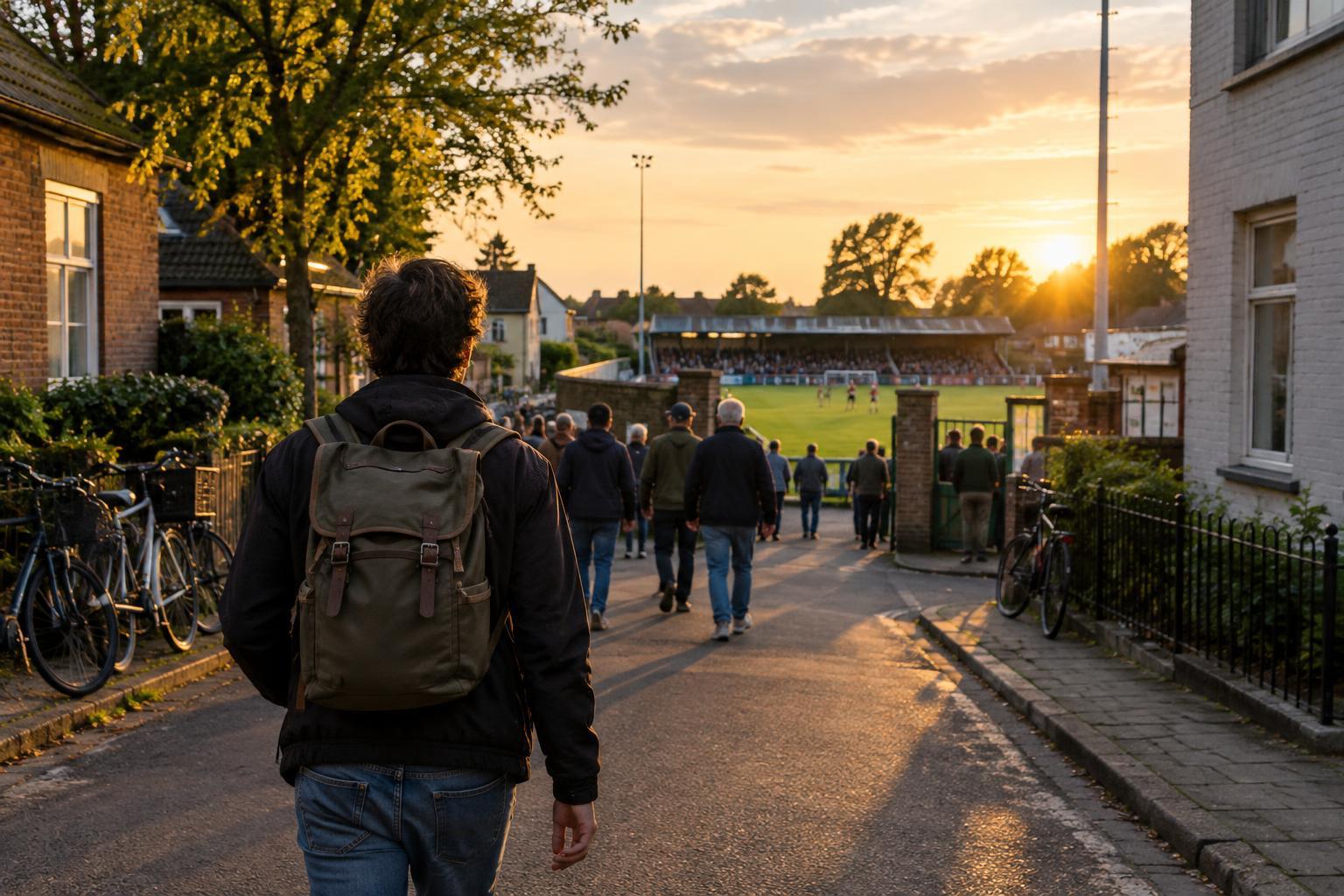
Part of the appeal of a local match is seeing how a place gathers around its team. Arrive early enough to notice the neighbourhood, find your entrance without rushing and take in the atmosphere. Follow stewards’ directions and pay attention to any section-specific rules. Supporter customs vary from ground to ground, so it is better to observe first than to assume that what is normal at home will be welcome everywhere.
A successful match trip does not depend on seeing a celebrated club or a packed stadium. It depends on choosing a fixture that fits your route, confirming the details through the people running the match, and leaving enough room in the day to enjoy it. Even a modest ground can offer a vivid sense of local football when you arrive prepared and curious.