Plan the whole journey, not just the match
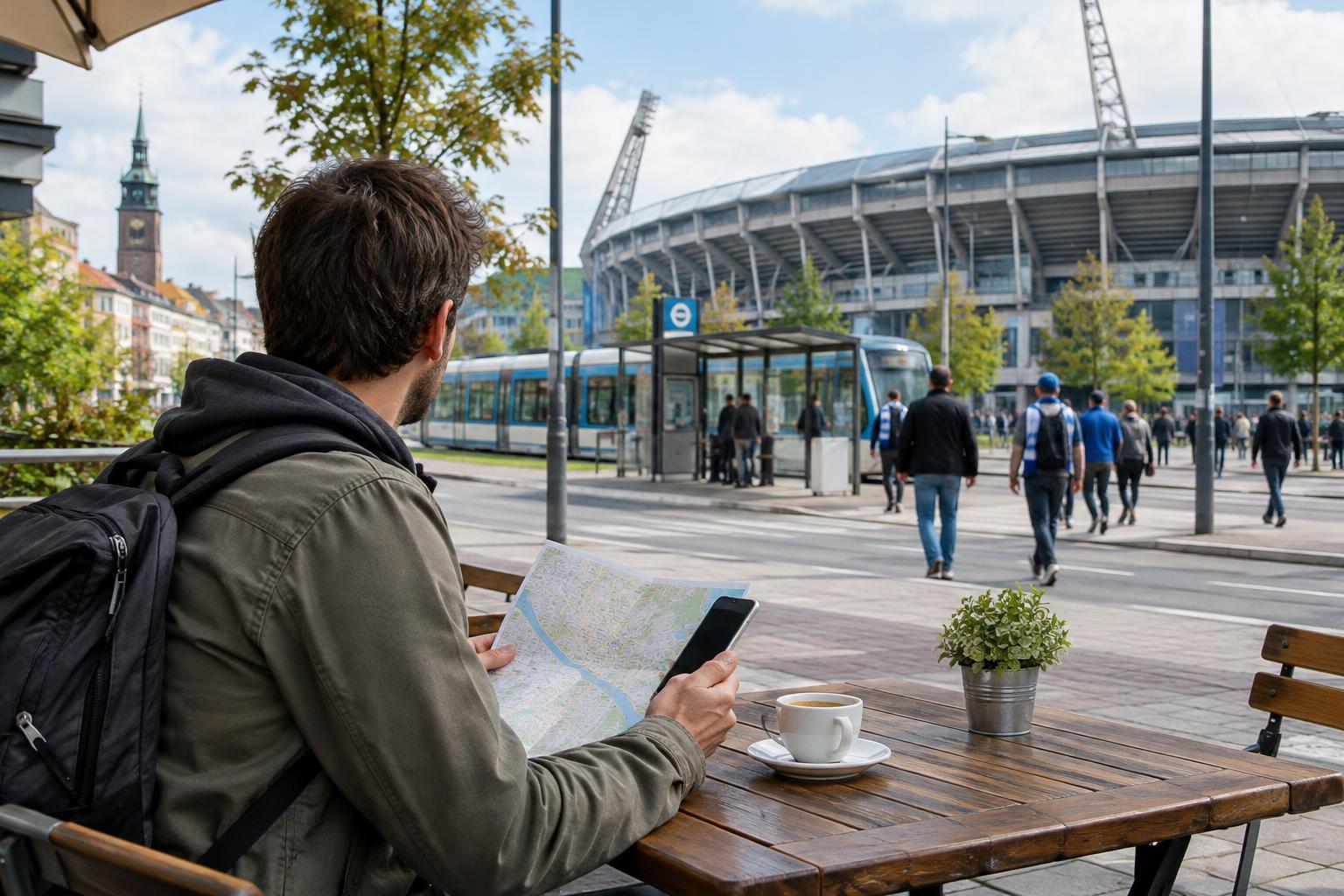
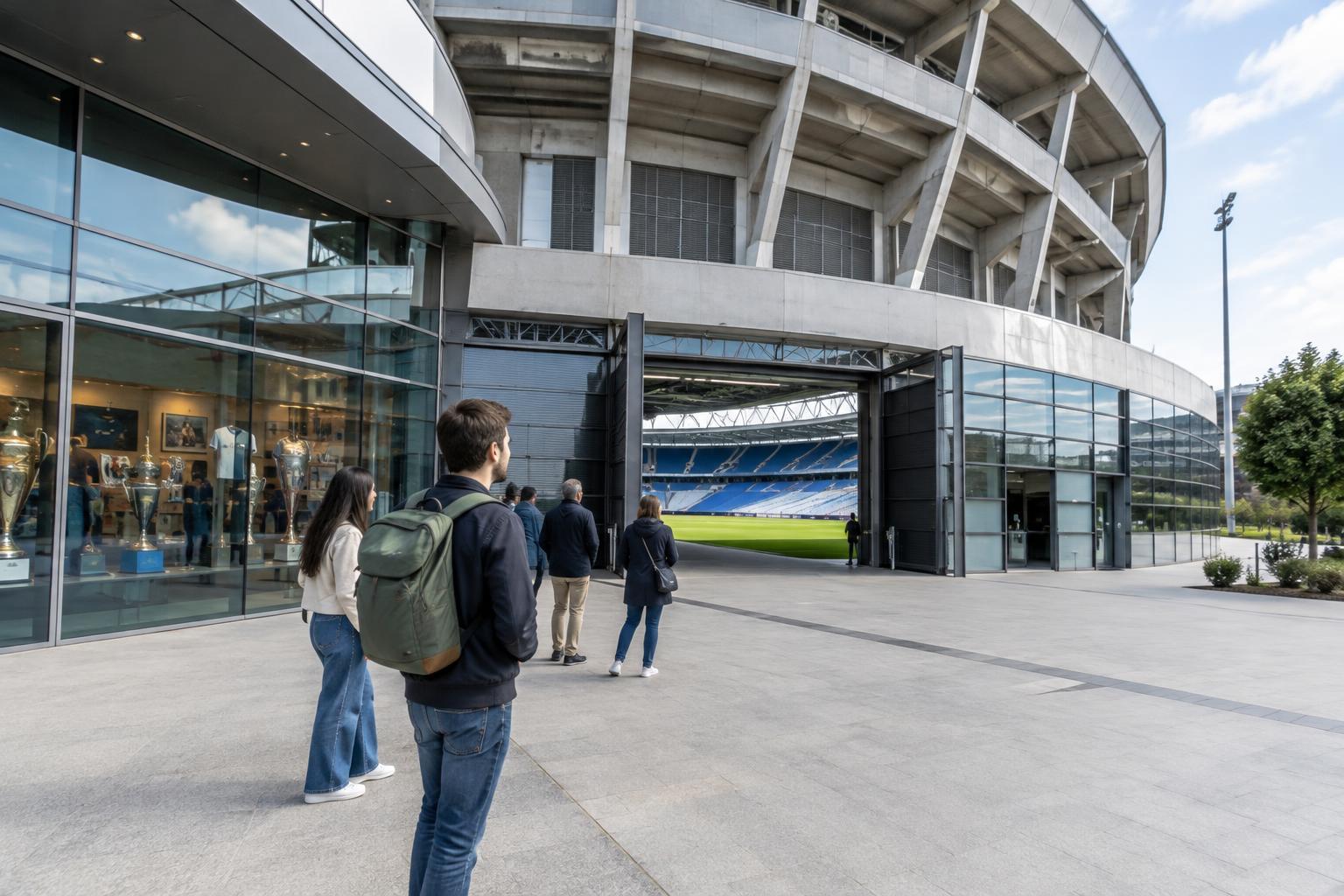
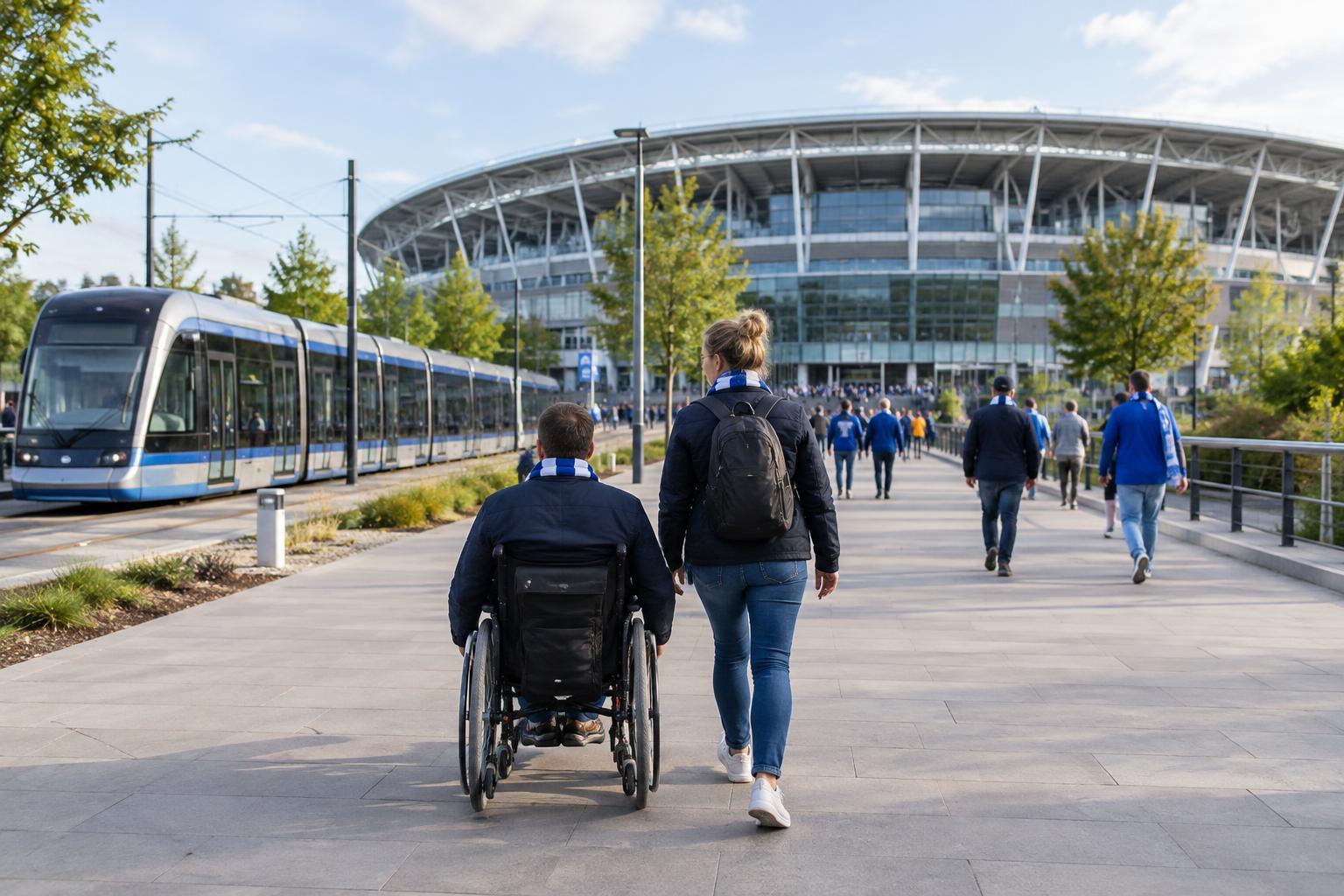
A football trip is a chain of journeys: getting to the host city, reaching your accommodation, travelling to the ground, entering the stadium and returning afterward. A step-free seat is useful only if you can also reach it and get home comfortably. Start by writing down what you need at each stage, whether that means a wheelchair space, fewer stairs, a nearby toilet, a quieter approach or extra time between connections.
Keep your itinerary flexible until the important details are confirmed. A cheaper hotel or train may be less useful if its access arrangements do not fit your needs. If you are travelling with someone else, discuss the plan together rather than assuming a companion can solve an inaccessible connection. Leave room for rest, meals and delays, especially when the trip includes a long journey before kick-off.
Check seating and stadium access before booking
Look for accessibility information from the club, stadium or official ticket provider before choosing a match. Ask which seating areas meet your needs, how accessible places are allocated and whether companion seating is available. If you need a wheelchair space, confirm its location and the arrangements for the person travelling with you. If you can walk but need to avoid stairs, ask about the route from the entrance to your seat rather than relying on a seating-plan image.
Other useful questions include where accessible toilets are located, whether lifts are needed, where you can be dropped off and which entrance you should use. If you need assistance on arrival or have equipment to bring in, ask how to arrange that in advance. Policies can differ between venues and events, so request confirmation for the particular match you plan to attend.
Keep booking details and written replies somewhere you can reach them offline. If a suitable seat is unavailable, consider a different fixture instead of buying a seat that may be difficult or unsafe for you to use.
Trace every transport connection
Work backward from the stadium entrance. Check how you will travel from your accommodation, where you will get off and what the final stretch is like. A station may have step-free platforms but still leave you with a difficult street crossing, a steep route or a long walk. Compare the outward journey with the return: crowds and traffic after the match may change which route feels manageable.
For intercity travel, check accessibility arrangements with each transport operator you expect to use. Find out whether assistance needs to be requested, where to meet staff and what to do if a lift or service is unavailable. If your route involves a transfer, allow enough time to make it without rushing. Save an alternative connection where possible.
Accommodation deserves the same level of detail. Ask about the entrance, lift, room layout and bathroom features that matter to you. Terms such as “accessible room” may not answer a specific question about a doorway, shower or bed. If you need a particular feature, seek a clear answer before committing.
Coordinate assistance without relying on assumptions
Stadium, transport and accommodation assistance are usually separate arrangements. Make a short checklist showing who is responsible for each part of the trip, what you have requested and how you will contact them. If a companion is coming, agree on practical tasks such as carrying bags or finding the correct entrance, while keeping your own preferences central to the plan.
Share only the information needed to explain the assistance you want. You might ask for a meeting point, extra time to board or directions to a less crowded entrance. Confirm when and where assistance begins and ends; a service at a station, for example, may not extend to the stadium. A few precise questions can prevent uncertainty on match day.
Build a calmer match-day plan
The day before travel, review your confirmations, route and contact details. Check the event information for entry procedures and allow a comfortable margin for security checks and finding your seat. Pack essentials where they are easy to reach, including any items you normally rely on during a long day out. If you use a phone for tickets or directions, consider how you will access the same information if the battery runs low.
Finally, choose a fallback: an alternative way to reach the ground, a place to meet your companion if separated and a realistic plan if a connection fails. You cannot remove every uncertainty from football travel. You can, however, make the important decisions before the crowds arrive, leaving more of match day for the game and the place you came to experience.