Two grounds, two different Berlin journeys
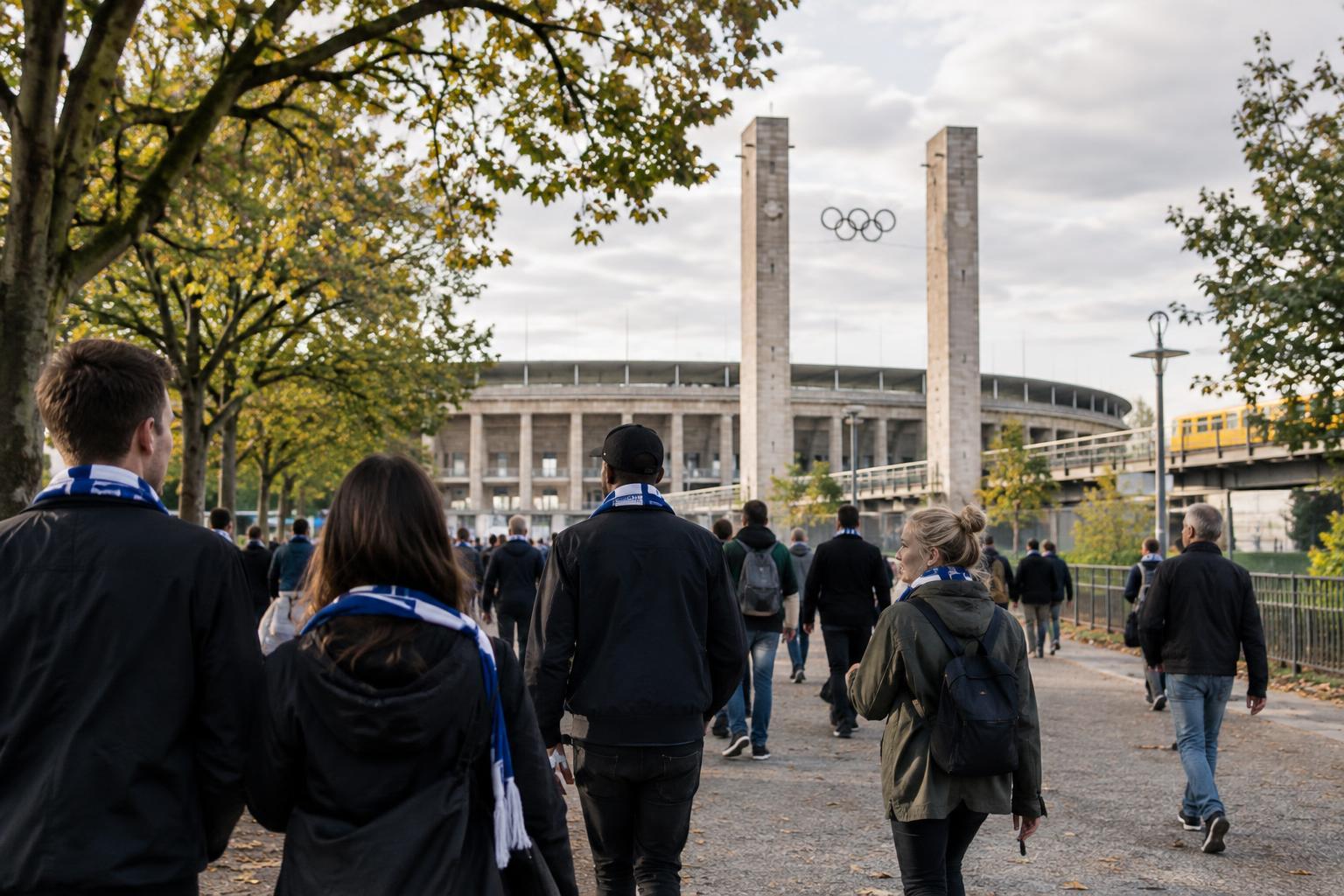
A football trip to Berlin can take you in very different directions. Hertha BSC’s home, the Olympiastadion, sits in the western district of Westend. Its scale and setting make it worth allowing time to see before entering: arriving early gives you a chance to take in the approaches rather than rushing straight to your seat. The ground also has a history beyond football, so check ahead if you hope to visit when there is no match.
On the other side of the city, 1. FC Union Berlin plays at Stadion An der Alten Försterei in Köpenick. The journey feels different from a trip to the Olympiastadion, with a walk through a more residential, wooded part of Berlin. Matchday arrangements and access can change, so use the club’s current visitor information for your specific fixture. If you want to see either ground without attending a game, confirm tour availability before making it the centerpiece of a day.
Choose a neighborhood that suits your trip
You do not need to stay beside a stadium to have an easy football weekend. Mitte is a convenient base for first-time visitors who want to see central Berlin between matches, though accommodation there may feel less tied to a particular club’s surroundings. Charlottenburg and Westend put you closer to the Olympiastadion and offer a calmer starting point for a western Berlin itinerary.
Friedrichshain and Kreuzberg are useful choices if your trip includes evenings out as well as football. Their many places to eat and drink make them appealing bases, but neither is next door to both major grounds: look at the route from your actual accommodation, not just its neighborhood name. For a visit focused on Union, consider spending time in Köpenick itself. Its old-town streets and waterside setting offer a change of pace before or after a stadium visit.
Wherever you stay, check the journey back as carefully as the journey out. A hotel near a direct rail connection can be more practical than one that appears closer on a map but requires several changes.
Understand the public transport basics
Berlin’s U-Bahn, S-Bahn, trams and buses form a connected network. The U-Bahn is particularly useful within the city, while the S-Bahn can cover longer stretches and reach both stadium areas. Fares are organized by zones: a typical journey within Berlin uses the AB zones, while trips involving Berlin Brandenburg Airport generally require an ABC ticket. Check the zones for any other destination outside the city before buying.
For the Olympiastadion, look at routes to the stations named Olympiastadion on the S-Bahn or Olympia-Stadion on the U-Bahn; the most useful one depends on your starting point and entrance. For Stadion An der Alten Försterei, S-Bahnhof Köpenick is a common rail arrival point, followed by a walk or an onward local connection. Leave extra time on matchdays, when station platforms, paths and entrances may be busier than on an ordinary visit.
Berlin usually relies on ticket checks rather than barriers at every station. If you buy a paper ticket that needs validation, stamp it before starting your journey; for a digital ticket, follow the app’s activation instructions. Check the ticket’s validity period, zones and any conditions before you board. Service patterns can differ late at night or during works, so consult a journey planner again on the day you travel.
Build a matchday plan with room to breathe
Start with the fixture and ticket details, then plan the rest of the day around them. Use the club’s official information to check entry rules, permitted bags and which entrance you need. Do not assume that a stadium tour, museum visit or ticket will be available just because you are in the area. If you are visiting without a match ticket, the neighborhood and exterior of a ground can still make a worthwhile stop, provided you respect any event-day restrictions.
A simple plan works well: choose one ground as the day’s focus, eat before joining the busiest approach, and allow time after the final whistle for crowds to clear. Comfortable shoes matter in Berlin, where a short-looking transfer can include substantial walking. Keep a charged phone or an offline copy of your route and address, but also note the name of the station you need for the return trip.
Berlin’s football geography is part of the experience. Traveling from Westend to Köpenick, or back into the center after a match, reveals more of the city than a stadium-only itinerary would. Give each trip enough space in your schedule to notice where you are.