From fixed plans to decisions made during the match
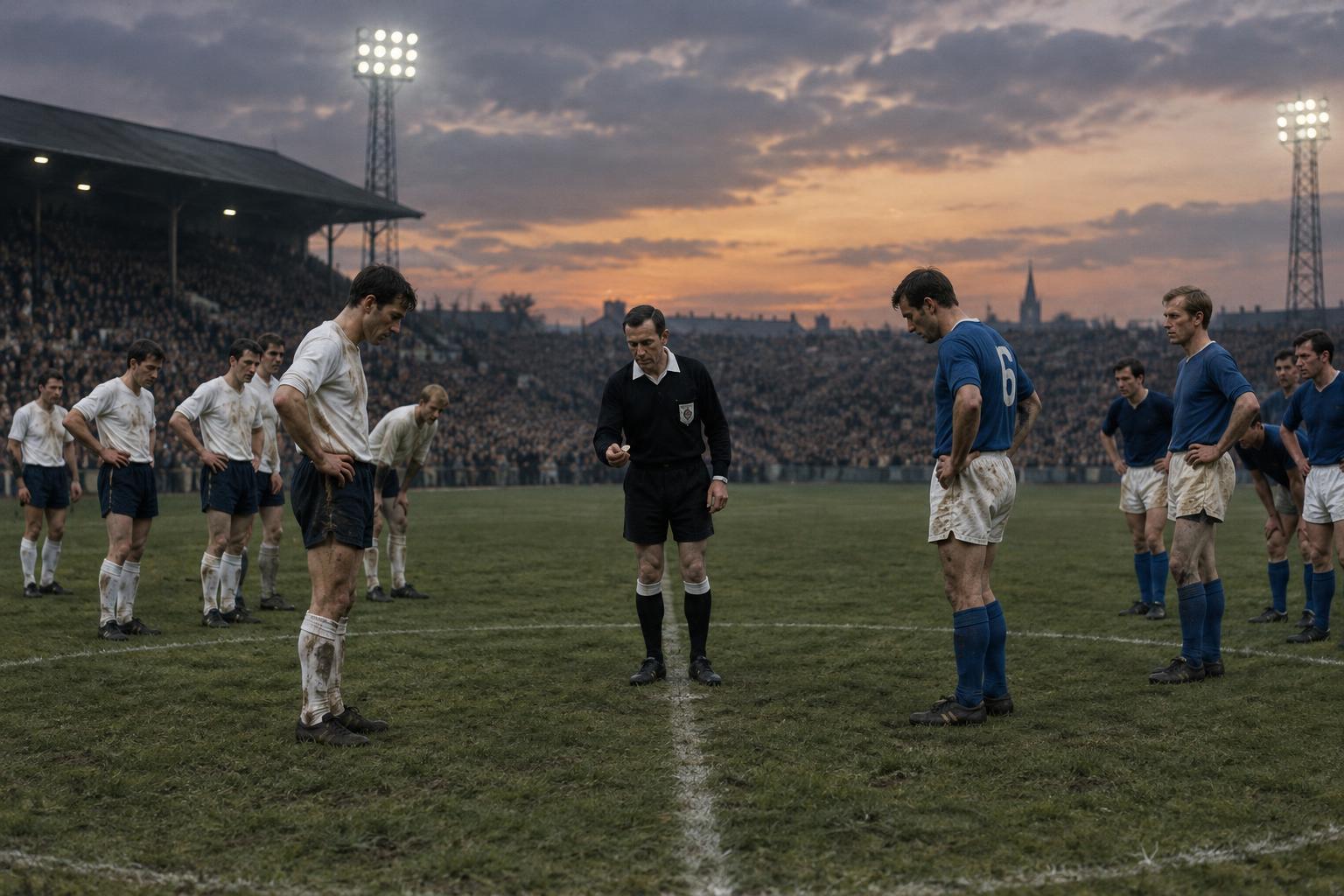
A starting lineup once carried more of a team’s tactical plan for the full match. When replacements were unavailable or tightly limited, a coach had fewer ways to respond to an injury, a tiring player or an opponent’s change of shape. Players might have to switch positions, conserve their energy or keep playing despite a problem. The question was not only who should start, but whether those eleven players could cope with several possible versions of the game.
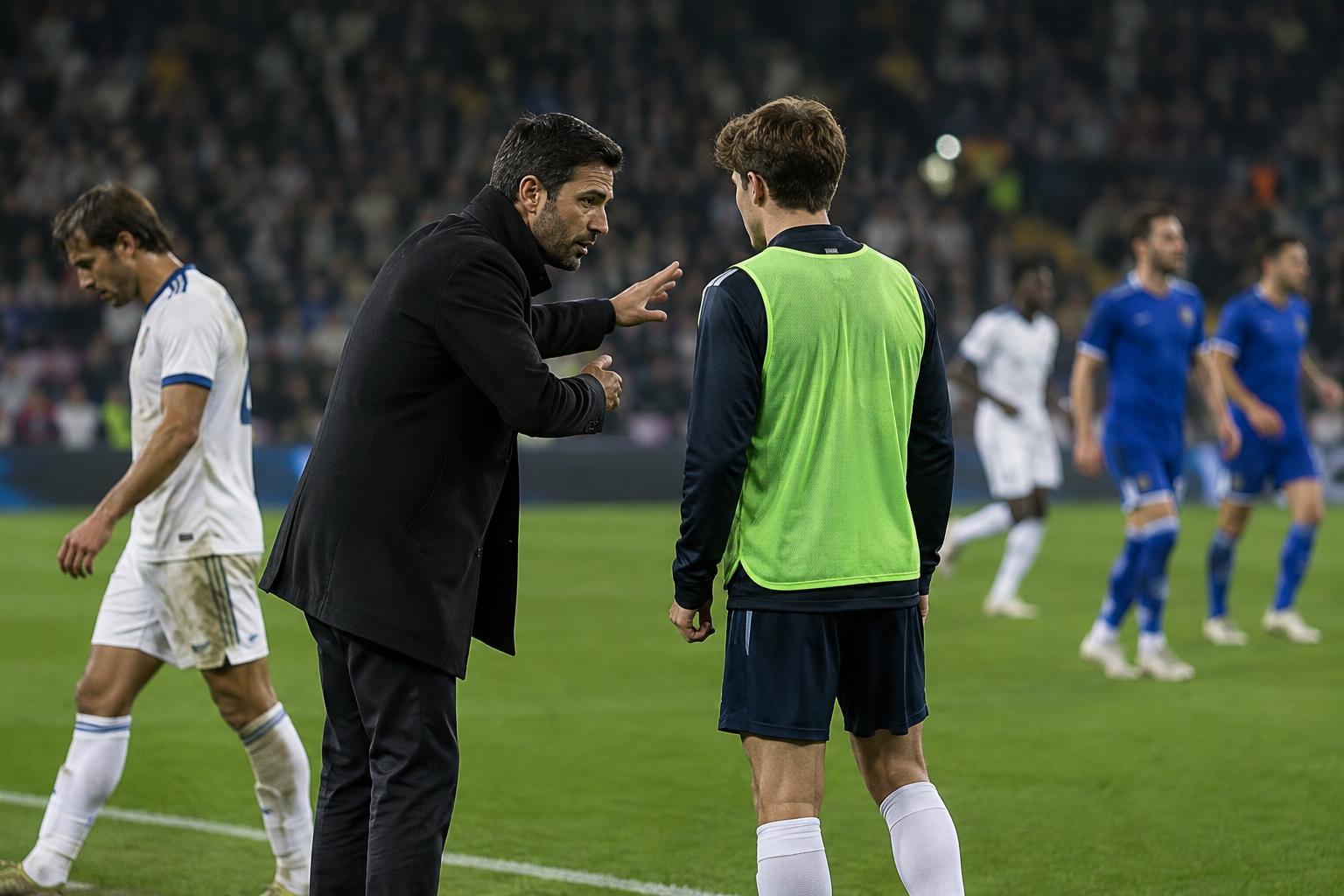
As substitution rules became more generous, the bench became a practical part of match planning. A coach could select a lineup to establish control, then introduce different qualities when the contest changed. The number of permitted changes and the conditions for using them have varied by competition and period, so there is no single turning point. The lasting tactical shift is that managers gained more choices after kickoff—and had to decide when those choices would matter most.
Why fresh legs changed pressing and pace
Pressing asks players to close space repeatedly and coordinate their movements. When one player can no longer reach an opponent on time, the whole press may become easier to pass through. A fresh forward or midfielder can restore some intensity, allowing a team to keep pursuing the ball rather than retreating simply because its starters are tiring.
Substitutions can also change the pace of an attack. A quick winger entering against a defender who has spent the match tracking runs offers a different challenge from the starting winger, even if both occupy the same position. Alternatively, a manager might replace a runner with a player who is better at receiving under pressure and slowing the game down. Neither move guarantees a result: a substitute still needs to understand the team’s spacing and settle into the match. But the ability to change physical demands gives coaches more than one way to play across ninety minutes.
The bench as a tool for changing shape
Not every substitution is a like-for-like exchange. A team chasing a goal might remove a midfielder and add a second striker, accepting less cover in central areas for another presence near the penalty box. A side protecting a lead might bring on a defender, move to a deeper shape and ask its wide players to track back. These changes can be more direct than asking the original lineup to adopt unfamiliar roles.
The possibility of a later switch also influences the starting selection. A manager may begin with a compact midfield to keep the match close, knowing that an attacking option is available if more risk becomes necessary. Equally, a strong attacking start can be paired with substitutes suited to controlling space late on. This is why the list of available players can be as revealing as the first eleven: it shows which problems a coach expects to solve during the game.
Extra time makes timing more complicated
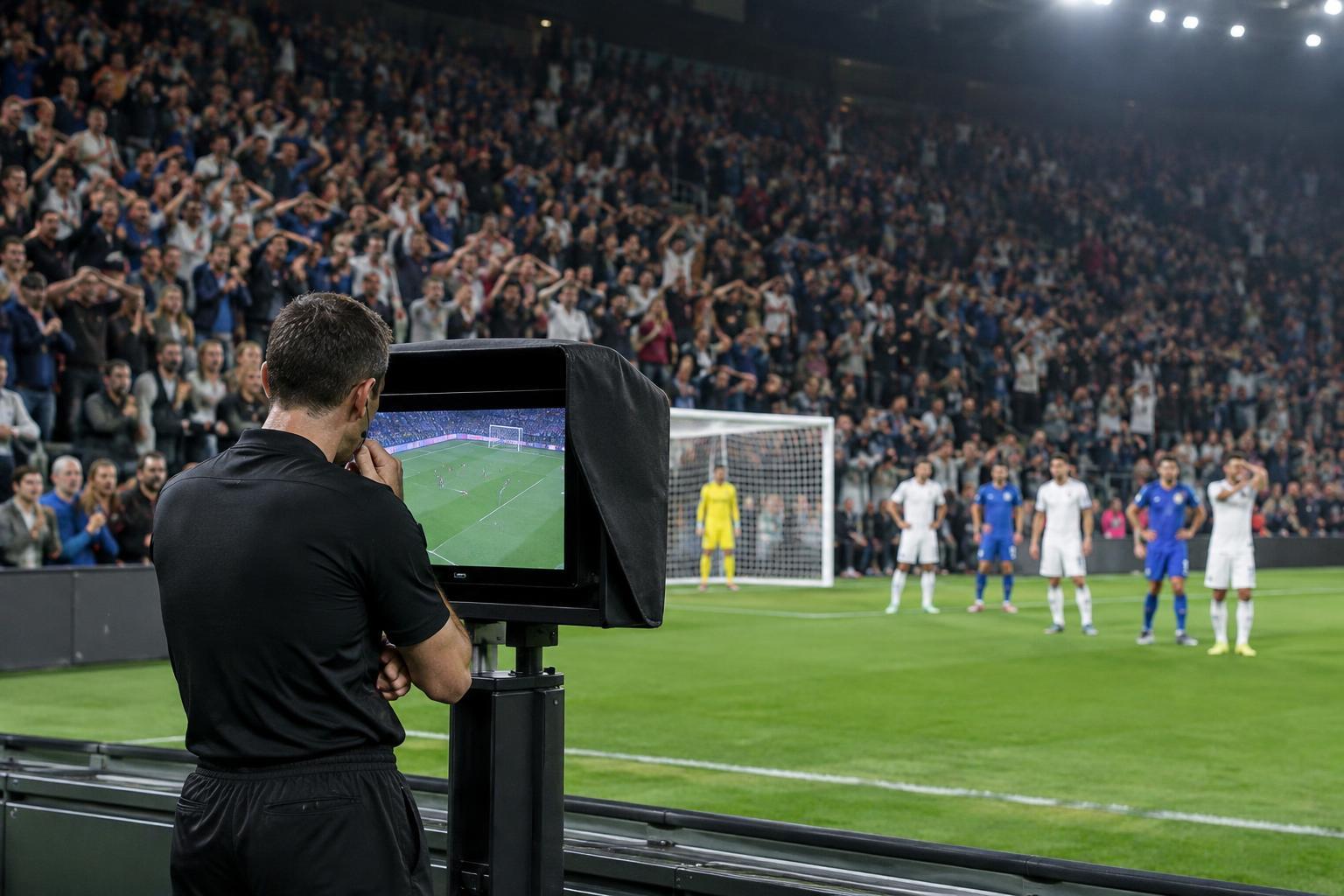
Knockout football adds an awkward question to every change: what if the match goes beyond ninety minutes? A manager may see an immediate chance to improve the team but hesitate to use a remaining substitution before extra time. Waiting preserves flexibility for fatigue or injury, yet the opportunity that prompted the change may disappear. Competition rules can also affect the calculation, including whether an additional change is allowed in extra time.
Substitutes in extra time can bring energy when spaces begin to open, but they may have little time to find the rhythm of a tense match. If a penalty shootout is possible, a coach might consider players’ confidence or usual responsibilities from the spot. That decision still has to fit the match in progress: putting someone on solely for a potential shootout offers no benefit if the team first concedes in open play.
How to watch substitutions as part of the story
For a supporter watching a European tournament match, the most useful question is not simply whether a substitute scores. Notice what changes before and after the move. Does the team press higher? Has a full-back gained protection? Is a forward staying central instead of drifting wide? A substitution can succeed by reducing an opponent’s best route to goal, even if it produces no memorable attacking moment.
Look at timing, too. An early change may address an injury or a tactical mismatch; a late one may be aimed at fresh energy, defensive cover or the demands of extra time. Some changes are planned, while others are forced by events. Reading them in that context makes a match easier to understand. As substitution options expanded, European tournament football became less dependent on a single starting plan and more shaped by the decisions made as that plan meets reality.