A new layer in tournament officiating
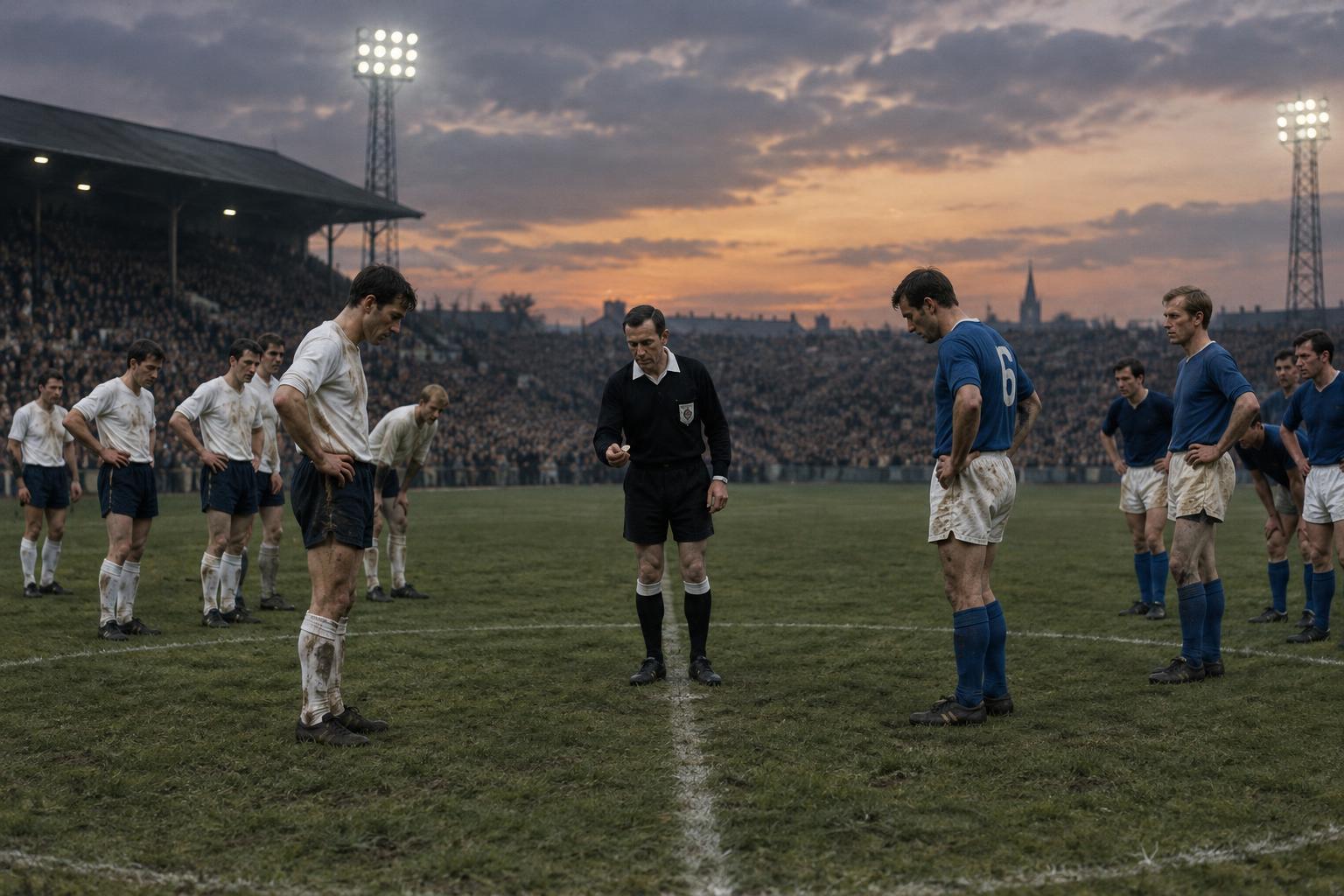
For much of football history, a referee’s decision was immediate and, in practice, final. Television viewers might see several replays of a disputed goal while the officials on the pitch had to rely on what they saw in real time. Video assistant refereeing, usually called VAR, narrowed that gap by giving a separate team of officials access to match footage and a way to communicate with the referee.
The 2018 men’s World Cup in Russia was the first men’s World Cup to use VAR. The men’s European Championship followed with Euro 2020, which was played in 2021. These tournaments brought the system before enormous audiences, but they did not turn football into a game in which every judgment was reviewed. VAR was designed to intervene in a limited set of potentially decisive situations.
What the officials began checking
VAR’s remit covers four broad categories: goals, penalty decisions, direct red cards and mistaken identity when a referee disciplines the wrong player. A video assistant can check whether an offence occurred in the build-up to a goal, for example, or whether a challenge inside the penalty area warrants another look. Routine fouls, throw-ins and second yellow cards are not generally review categories on their own.
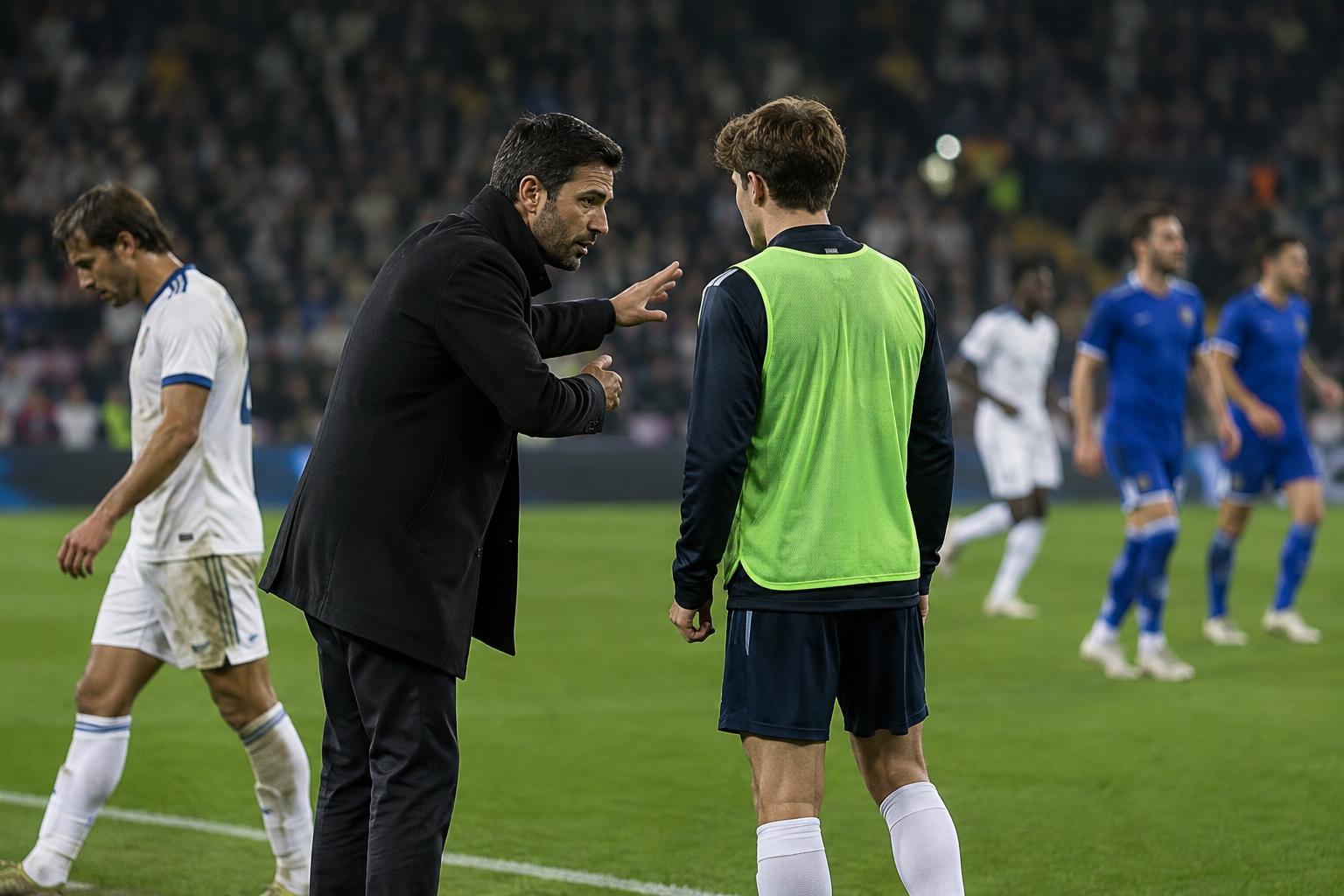
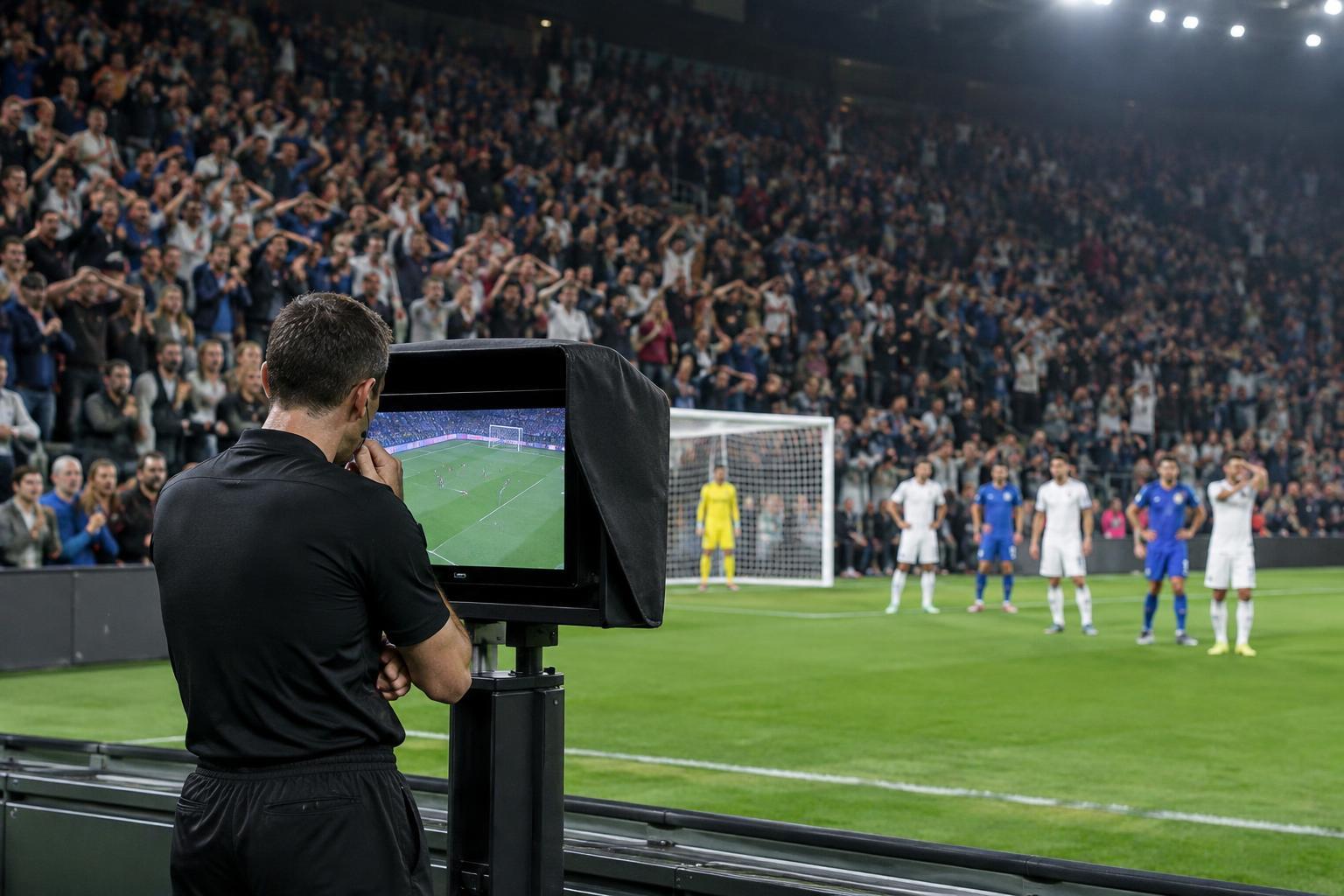
This changed the referee’s workflow without removing the referee’s authority. The video team checks relevant incidents and can recommend a review when it identifies a possible clear and obvious error or a serious missed incident. For a judgment call, the referee may watch footage on a pitchside monitor before making the final decision. More factual questions, such as whether a player was in an offside position, can sometimes be communicated without an on-field review. The exact process and technology can vary between competitions.
Officials also had to manage the moments between an incident and a decision. An assistant referee might delay raising a flag during a promising attack so play can reach a natural stopping point; if the move produces a goal, the video team can then check the offside question. To a supporter seeing only the live action, that delay can look unusual unless they know why it happens.
How a goal celebration changed
Before VAR, a goal followed by the referee pointing to the centre circle usually settled the matter for spectators. With video checks, that gesture may no longer be the end of the story. A goal can be examined for offside, a foul or another relevant offence in the attacking phase. Sometimes the check is brief and barely noticeable; sometimes players wait while the referee listens to the video team or goes to the monitor.
For supporters in the stadium, this introduced a particular kind of uncertainty. A crowd can erupt, pause and then celebrate again—or see the goal ruled out. Screens and public announcements may explain that a check is under way, but spectators do not always receive the same sequence of replays available to someone watching a broadcast. Even when the eventual decision is understandable, the wait can interrupt the rhythm and emotion of the match.
Two different ways to watch the same review
Television viewers often have close-ups, slow-motion replays and commentators discussing possible outcomes. That can make them feel well informed, though a broadcast angle does not necessarily show everything the officials can see. Slow motion may also clarify the point of contact while making an action’s speed or force harder to judge. A replay is useful evidence, not an automatic answer.
Inside the ground, supporters have a better view of the whole occasion but may have less information about the review itself. A practical habit when attending a tournament match is to look for the referee’s signal and the stadium’s official decision rather than treating a crowd reaction as confirmation. If a check is taking place, the match may remain paused while the officials work through it.
VAR’s lasting place in tournament history
The arrival of VAR did not end arguments about refereeing. It changed their focus. Supporters now debate not only whether a call was correct, but whether an incident met the threshold for intervention, which camera angle was decisive and how long a review took. Judgment remains part of football, particularly for contact and handball decisions.
For anyone revisiting a famous tournament match, VAR is useful historical context. It helps explain delayed celebrations, pitchside monitor visits and decisions that might have unfolded differently in an earlier era. The simplest way to understand its impact is to remember both sides of the change: officials gained a means to correct certain major errors, while everyone watching learned that some of football’s biggest moments might need a second look.