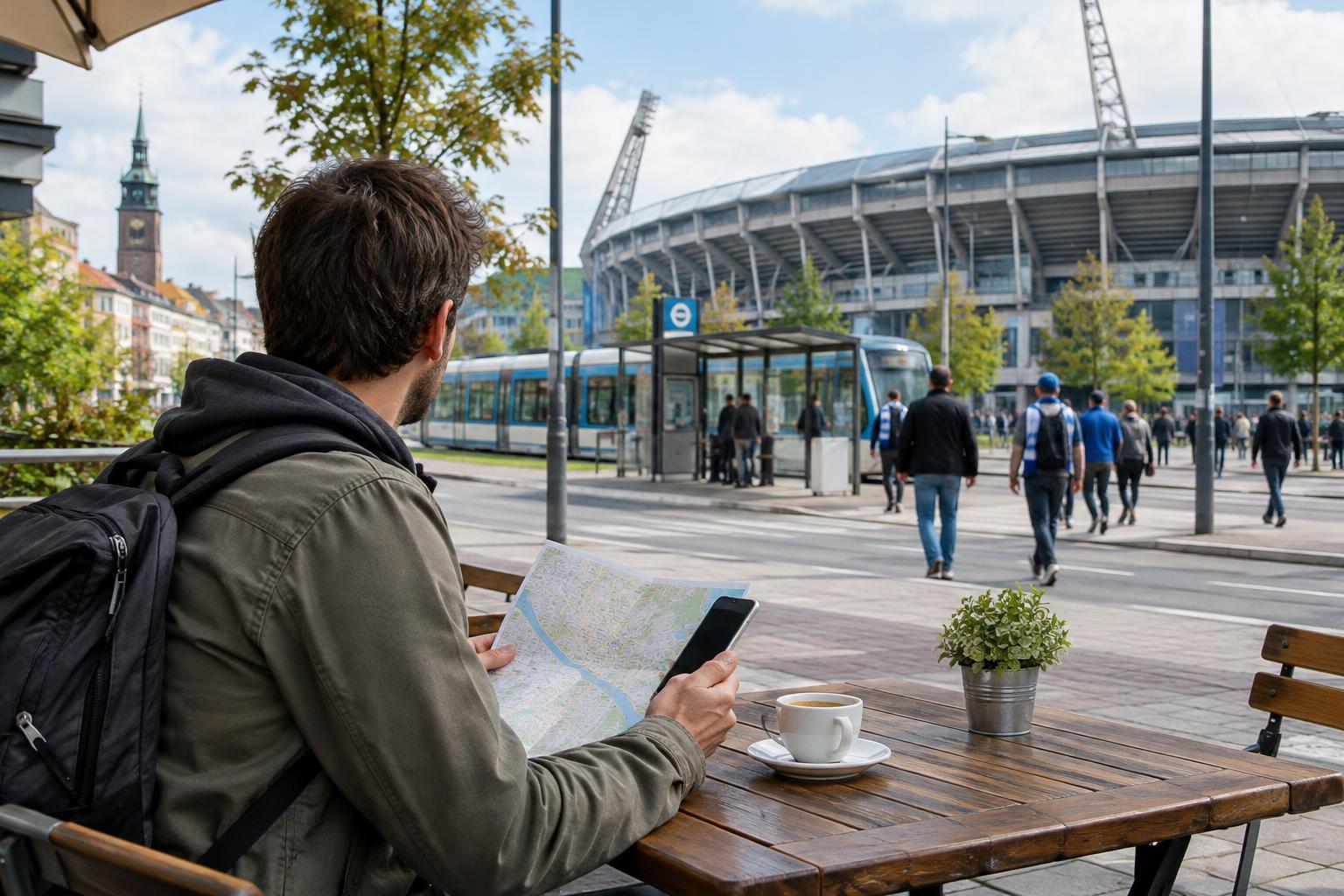
Map the whole journey before checking the rules
Start with a simple itinerary: your departure point, every country you will pass through, the host city, and the route home. Include airport transfers, overnight stops and separate transport bookings. A football weekend can involve more borders than expected, especially if the cheapest flight lands in a neighbouring country or the return journey follows a different route.
Write down the nationality of the passport you will use, where you live, and the purpose and length of the trip. Entry conditions may depend on those details, not just on your destination. Check the official government or consular guidance for each relevant country, including any place where you may need to enter during a connection. Recheck it before booking non-refundable travel and again shortly before departure, because requirements can change.
Check your passport and supporting documents
Look at your passport’s expiry date and physical condition well ahead of travel. Some destinations set minimum validity requirements beyond the planned stay, and a damaged passport can cause problems even when its expiry date is acceptable. Make sure the name on your transport bookings matches the document you intend to carry. If you have more than one passport, check the rules for the specific one you will use throughout each part of the journey.
Depending on your circumstances, you may also need a visa, travel authorisation, residence document or evidence of onward travel. Do not assume that permission to enter one country covers every border on your route, or that a match ticket changes immigration requirements. Keep accessible copies of key booking details and documents, while protecting personal information. A digital copy can be useful if a bag is misplaced, but it may not replace an original document when one is required.
Treat transit as a separate question
A connection is not always a simple change of platform or gate. At an airport, changing terminals, collecting and rechecking a bag, or travelling on separate tickets may require you to pass through immigration. At a land border, a planned train or coach change may become an overnight stop if a service is delayed. Check the transit rules for your passport and the practical steps involved in each connection, rather than relying on the word “transfer” in a booking.
Separate tickets deserve particular care. If the first service arrives late, the next operator may not be responsible for getting you to your destination. Consider whether the saving is worth the risk of buying a replacement fare or missing the match. For a complex route, compare the full journey—including transfers to the stadium and accommodation—rather than choosing the shortest-looking flight or train leg.
Build a buffer around connections and kick-off
Work backward from the time you want to be at the stadium, not merely from kick-off. Allow for arriving in the city, dropping off luggage, navigating local transport and finding the correct entrance. Stadium-area travel can take longer when many supporters arrive together. Check any bag restrictions and admission instructions supplied with your ticket so that you are not trying to solve a storage problem at the turnstile.
For each border or transport change, list what must happen before you can board the next service: disembarking, passport checks where applicable, baggage collection, terminal changes and boarding deadlines. Then add time for ordinary delays. There is no single safe connection time for every route; a through-ticketed rail journey and two separately booked flights create different risks. If missing a connection would also mean missing the match, an earlier arrival or an overnight stay may be the calmer choice.
Keep a small contingency plan
Before leaving, save your route, accommodation address, operator contact details and relevant booking references somewhere you can access without a mobile signal. Know which part of the trip has a fixed deadline and which can be changed. It helps to identify a later train or another way into the host city, without assuming that seats or fares will be available at the last minute.
On travel day, carry your documents where you can reach them and keep an eye on operator messages. If plans change, confirm the entry and transit implications of a new route before accepting it. The aim is not to remove every uncertainty from a football trip; it is to avoid turning a manageable delay into a missed border requirement or an impossible race to kick-off.