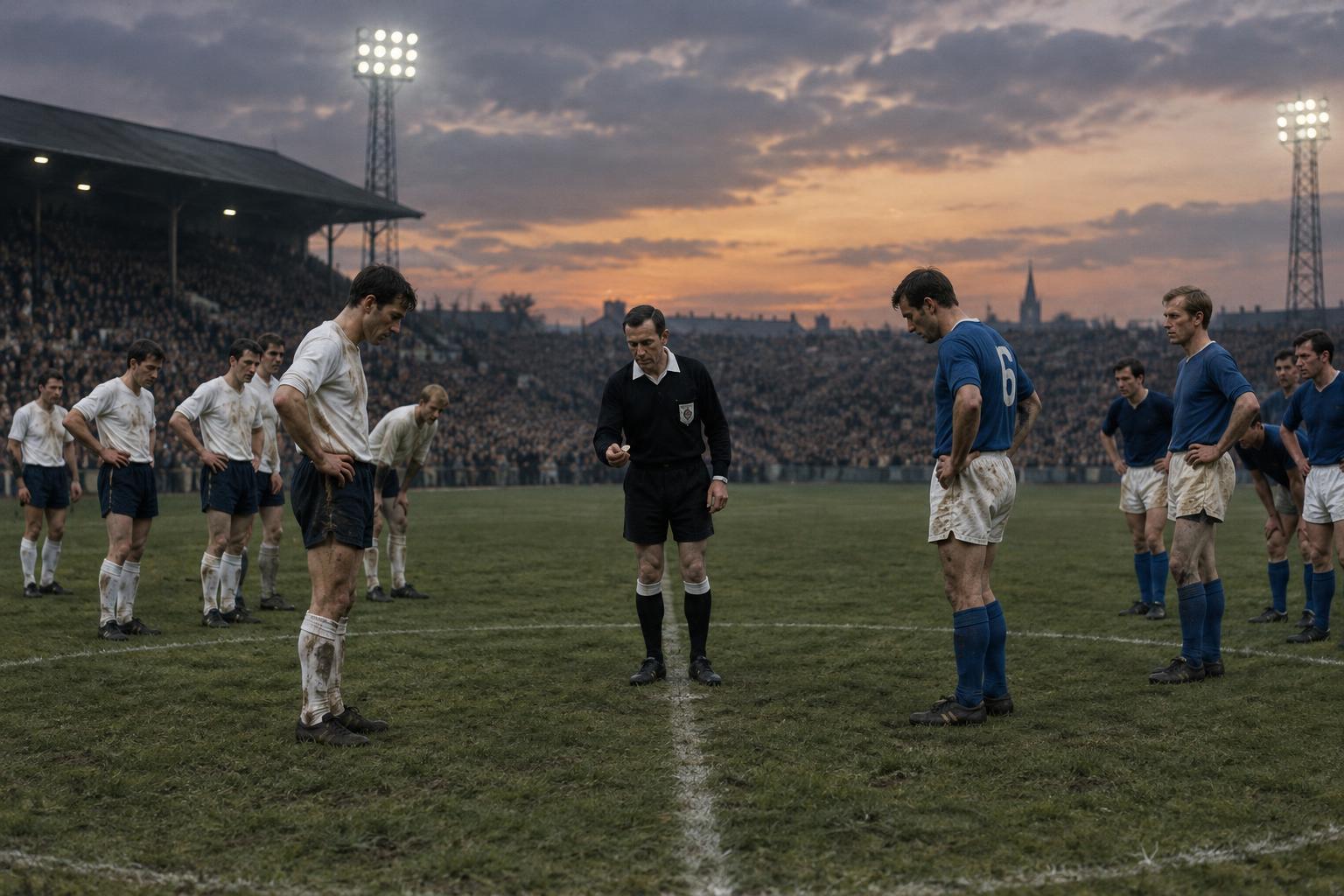
Understand the rivalry before you arrive
A derby is more than a fixture between nearby clubs. It may carry neighbourhood pride, family loyalties and memories that mean far more to local supporters than they do to a visitor. You do not need to master that history to attend, but a little context helps. Learn which clubs are playing, where you will sit and whether your route takes you near areas where supporters tend to gather.
Be curious without treating the occasion as a spectacle of hostility. A pub full of singing fans or a crowded walk to the ground can be memorable on its own terms; you do not have to seek out confrontation to feel the intensity of the day. If someone shares a story about the rivalry, listen rather than trying to prove how much you know. Local feelings may differ from the tidy version of a rivalry you have read elsewhere.
Choose your place and dress for it
Check the conditions attached to your ticket and follow the stadium’s instructions. Home and away sections are not interchangeable places to watch the match, and some grounds have particular expectations about visiting colours. If you are in a home section as a neutral visitor, a neutral jacket is usually a simpler choice than wearing the opposition’s shirt. Do not use a ticket for one section as a way to join friends in another.
The same awareness helps outside the stadium. A scarf or shirt can be a cheerful sign of support, but it also tells strangers which side you appear to be on. There is no need to hide an interest in football; there is value in noticing your surroundings before making a loud declaration of allegiance. If you are unsure whether an item, banner or flag is permitted, check the venue guidance rather than assuming every ground follows the same rules.
Join the atmosphere without copying everything
Singing, applause and good-natured teasing are part of many matchdays. As a visitor, start by listening. You may not know the words to a chant or the story behind it, and repeating something you do not understand can be embarrassing or hurtful. You can support your team enthusiastically without joining personal abuse, discriminatory language or gestures aimed at other supporters.
Keep your reactions proportionate to where you are. Celebrating a goal among people backing the same side is one thing; turning toward opposing fans to taunt them is another. If a conversation becomes heated, you do not need the last word. Put space between yourself and the argument, and let stewards handle behaviour that needs attention. Respecting boundaries does not make the experience less passionate; it leaves more room for everyone to enjoy the football.
Use your camera with care
Derby days invite photographs: scarves on a street corner, the approach to the ground, the first view of the pitch. Take them without blocking entrances, holding up a queue or pushing through a group for a better angle. Ask before taking a close portrait, particularly when someone is upset or involved in a tense exchange. Not every supporter wants to become part of a stranger’s travel story.
Think before posting, too. A clip of an argument can strip away context and draw attention to people who did not choose it. If trouble develops, move away instead of filming from close range. Follow any stadium rules on photography and recording, and keep your phone secure in busy spaces. The images worth keeping are usually those that help you remember the occasion, not those that make a difficult moment louder.
Leave time and space after the final whistle
The match may end at a fixed time, but the journey away from the ground can be slow. Crowds may be directed along particular routes, and transport can feel busier than on an ordinary day. Build flexibility into dinner plans or onward travel. Follow steward and transport instructions rather than cutting across a moving crowd to save a few minutes.
A result can change the mood quickly, especially after a close game. Give other supporters room to celebrate or process a loss, and save loud post-match analysis for a setting where it feels welcome. If you are travelling with friends, agree on a meeting point in case you are separated and keep your exit straightforward. A good derby trip does not require a dramatic ending: getting home calmly, with a fuller sense of the place and its people, is plenty.