What makes a fanzine different?
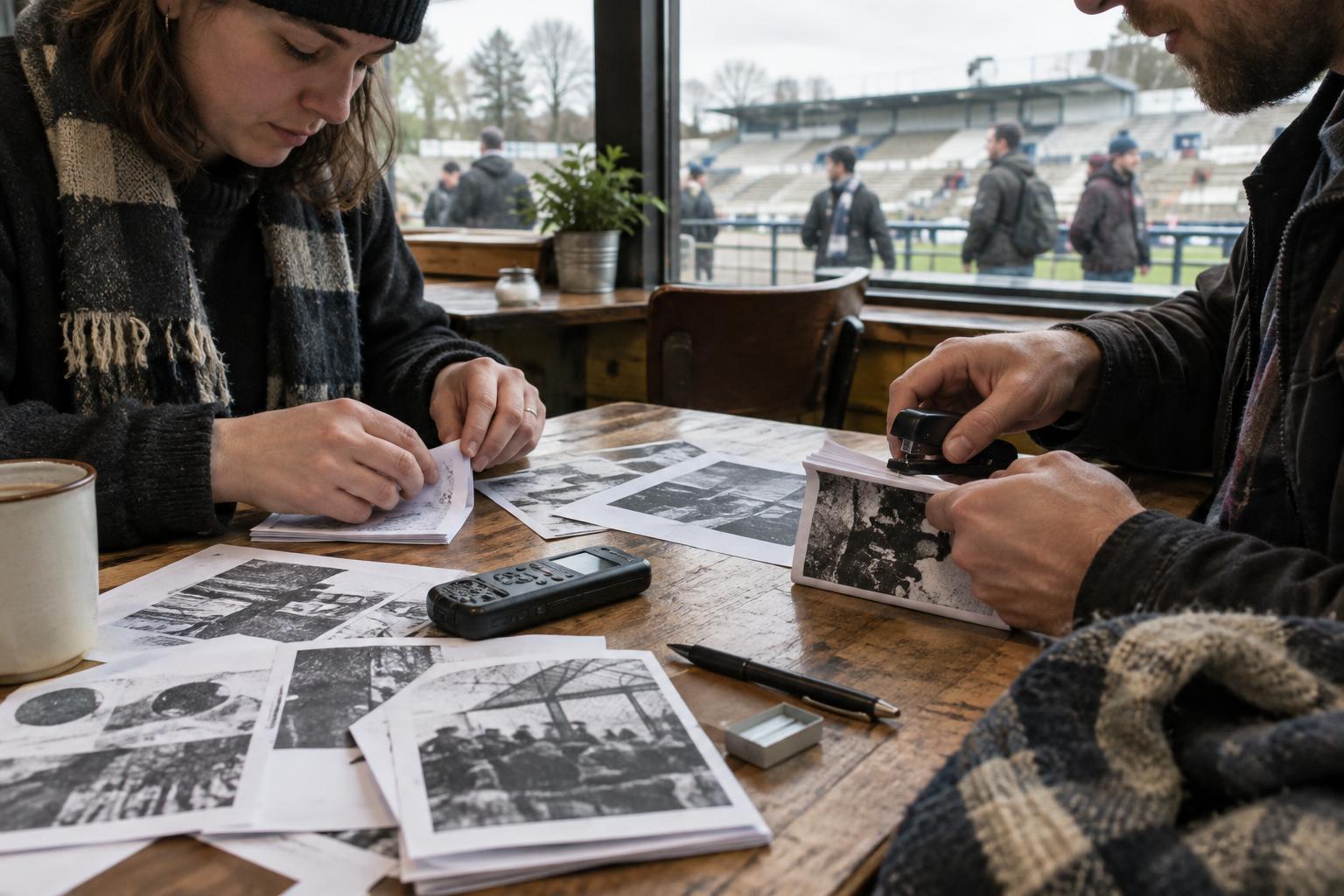
A fanzine is media made by supporters for supporters, often outside a club’s official channels. It might be a photocopied booklet sold near the ground, a carefully designed magazine, a blog, a podcast or a short email newsletter. Formats change, but the appeal is similar: fans decide which parts of football life deserve attention.
That freedom gives a fanzine room for subjects a match report may miss. One issue might cover a memorable away trip; another might examine a ground’s changing surroundings, celebrate a long-serving volunteer or argue about the best place for a pre-match meal. Some are funny, some are campaigning, and some simply keep a record of how it feels to follow a team. No single publication speaks for an entire fan base, which is part of the point.
Where to start looking
If you are visiting a club or host city, begin with curiosity rather than a search for a definitive supporter guide. Independent bookshops, matchday stalls and supporter-run spaces may carry printed work. Club-focused blogs and podcasts can help you find local voices before you travel. Availability varies, so do not build your whole matchday plan around finding a particular issue.
Read or listen across more than one source. A long-time season-ticket holder, an occasional attendee and someone who follows from abroad may describe the same club very differently. Notice what each creator covers, how they handle disagreement and whether they distinguish firsthand experience from rumour. That habit makes fan media more rewarding, especially when you are new to a place and its rivalries.
Buying a copy, subscribing or sharing a creator’s work with credit are simple ways to support independent publishing. If you discover something through a friend, ask them what it means to them before treating it as a ready-made itinerary.
Find the story beyond the result
You do not need an extraordinary match to write an engaging supporter story. Start with one specific question: How does a familiar route to the ground shape someone’s day? What changes when supporters travel together? Why has a small ritual survived? A narrow question gives your piece a direction and helps you decide which details matter.
Keep notes on the journey, the setting and your own reactions. The sound of a station platform, a hand-drawn sign or a conversation about an old programme can bring a scene to life. Be precise about what you witnessed, but leave room for uncertainty. If you attended once, write from the perspective of a visitor rather than claiming to explain what a neighbourhood or fan base is always like.
The final score can provide context without becoming the whole plot. A piece about an away day might focus instead on the people who organised the journey, the quiet hours between trains or the way expectations shifted after the match. Specific, modest observations often say more than broad declarations about “the fans.”
Tell other people’s stories with care
Supporter culture is public in some ways and personal in others. Ask permission before recording an interview or publishing someone’s identifiable comments. Be especially careful with photos and video of children, private conversations and situations where attention could cause trouble for the people involved. A person agreeing to chat on the way to a match has not necessarily agreed to become a character in your article.
Give people a fair chance to describe their own experiences. Avoid treating one supporter as a representative of everyone, and check names, places and quotations before publication. If your piece discusses a dispute or allegation, separate what you know firsthand from what others have told you; when you cannot verify a claim, consider leaving it out. Careful editing is not about removing personality. It helps readers trust the story and the people in it.
Make a first issue or contribution manageable
A first project can be small: a two-page zine about one trip, an interview with a fellow supporter or an audio diary edited into a short episode. Choose a format you can finish with the time and tools you have. A simple structure works well: introduce the question, bring readers into a few concrete scenes, then end with what you understand differently.
Before publishing, read the piece aloud to catch awkward passages. Check any factual details you include, obtain permission for images or artwork you do not own, and credit collaborators clearly. If you hope to contribute to an existing fanzine, read a few editions first and pitch a focused idea that suits its voice rather than sending a complete account of everything you saw.
Supporter storytelling does not require you to be the loudest person in the stand or the most knowledgeable historian. It asks you to pay attention, be honest about your viewpoint and make space for voices beyond your own. That is a useful approach whether your story ends up on a folded page, in a podcast feed or in a notebook you share with friends.