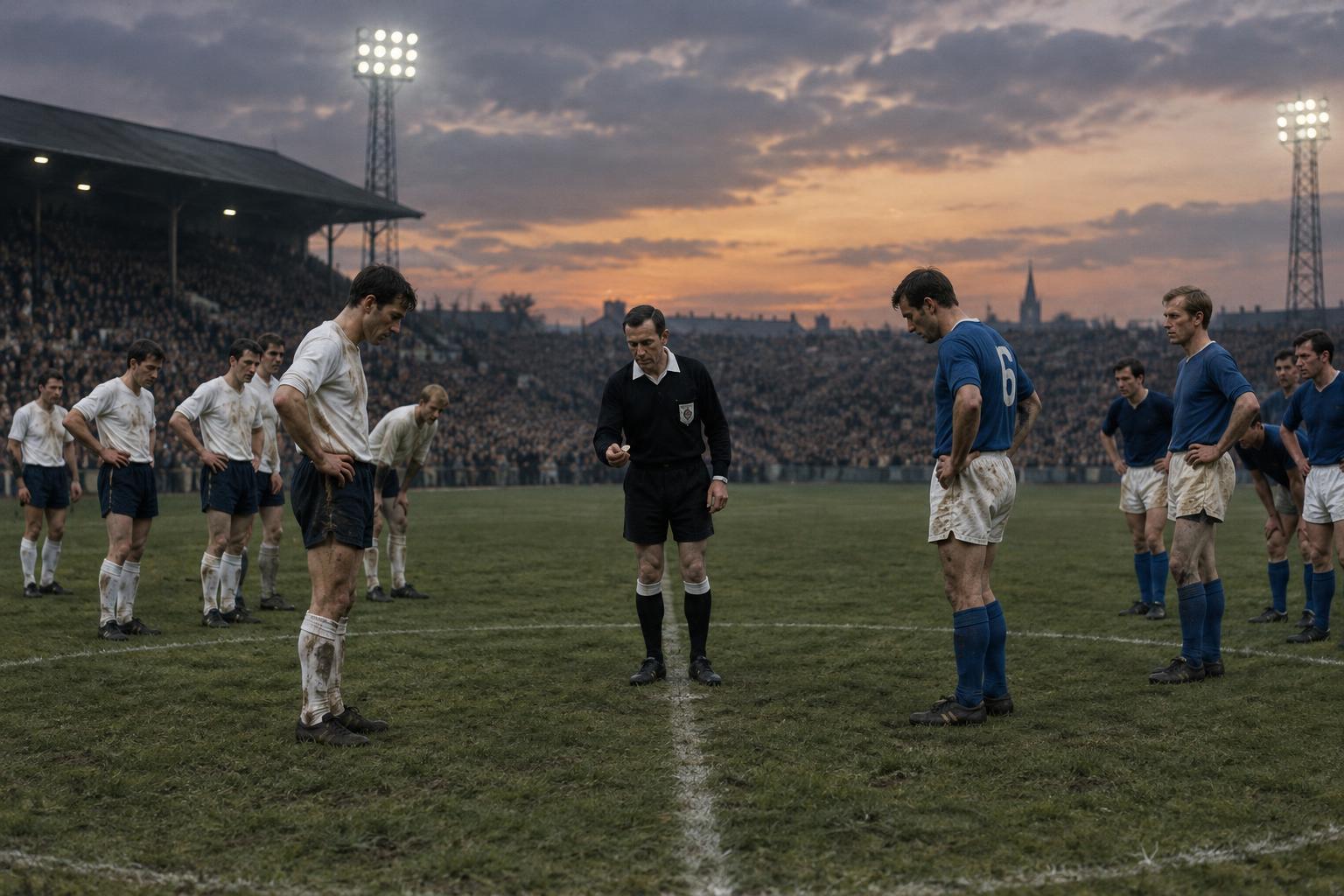
The journey becomes part of the fixture
For an away supporter, matchday often begins long before the turnstile. It might start at a station before breakfast, in a car packed with scarves, or at a familiar meeting point where someone is already discussing the likely lineup. The journey gives people time to anticipate the match together. A route repeated season after season can become as much a part of supporting the club as taking a familiar seat at home.
Not every away trip looks alike. Distance, cost, kickoff time and transport options all shape who can go and how they travel. Some supporters arrange a coach through a fan group; others make their own way and meet friends near the ground. For people who travel regularly, the familiar faces matter. The destination changes, but the conversation and shared purpose offer a sense of continuity.
Songs, scarves and the identity of a travelling crowd
An away section can make a club's identity unusually visible. Scarves and shirts mark the group, while songs carry references that may mean little to outsiders: a former player, a local landmark, a memorable result or a long-running joke. Supporters often adapt chants to the occasion, responding to the score, the stadium or one another. That spontaneity is part of the appeal; it cannot be fully captured by a list of songs learned in advance.
The way a crowd supports its team varies between clubs and countries. Some travelling groups are loud throughout a match, while others grow louder at particular moments. Banners, drums and other displays may be important to one group and absent from another. If you are joining an away section for the first time, watching and listening before joining in is a good approach. It lets you appreciate the customs without assuming that every supporter experiences them in the same way.
Why the unfamiliar setting matters
At home, supporters know the streets, entrances and routines around their stadium. Away from home, they have to find their bearings. The walk from a station, a different view of the pitch and the sound of home supporters across the ground can make even a routine league fixture feel distinct. The match is still central, but the place leaves its own impression.
That setting can also make solidarity more tangible. A small travelling group may feel especially connected when it celebrates a goal together or keeps singing through a difficult result. The return journey then becomes a place to replay chances, debate decisions and begin looking ahead. Winning is not required for an away day to become a story people tell again.
Taking part as a visitor
If a football trip includes an away match, start with the practical details rather than the atmosphere you hope to find. Check the club's official ticket information and the host venue's guidance for the specific fixture. Away allocations, entry procedures and rules on bags or banners can differ. Plan your route to the designated entrance and allow time for travel changes or queues. Do not assume that a ticket for another part of the ground permits entry to the away section.
Local customs also deserve attention. An away group may have established meeting places and travel routines, but visitors should avoid treating supporters as an attraction. Ask before photographing people closely, be considerate in shared spaces and follow instructions from venue staff. Rivalry can be a lively part of football culture without giving anyone a reason to provoke others. If you are unsure what is appropriate, a quieter, observant approach is usually best.
A tradition built from ordinary trips
The most enduring away-day memories are not always dramatic. They may be a conversation with someone who has followed the club for years, an unexpected view of a new city, or a song that continues after the final whistle. These small moments accumulate. Over time, trips become a personal map of grounds, people and journeys.
Following a club on the road asks for time, planning and flexibility, which is why the shared effort can feel significant. For a first-time visitor, the best way to understand that tradition is to make room for the whole day: prepare carefully, notice the place you have travelled to and let the match unfold. The away end is one part of the experience; getting there together is another.