A competition built around champions
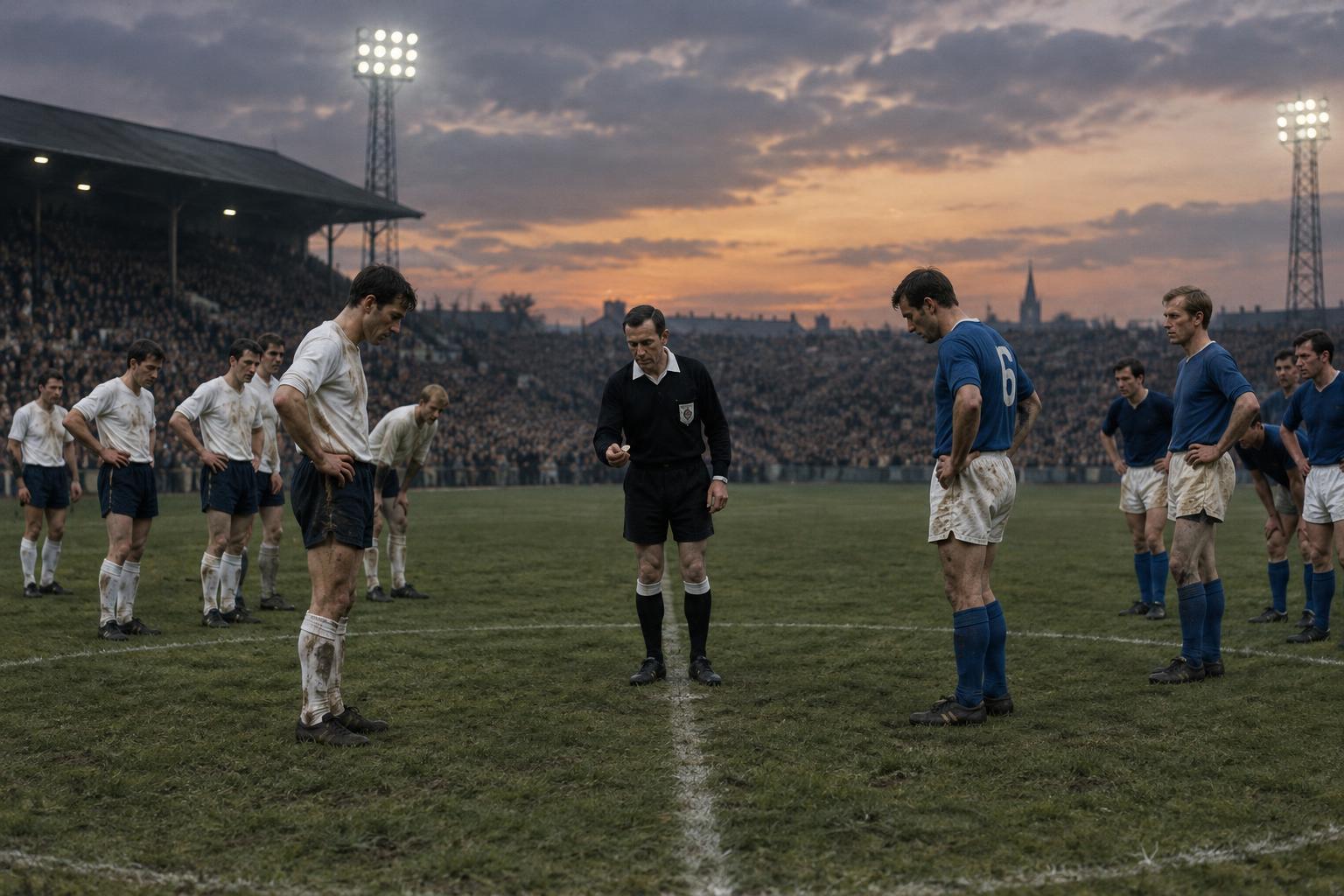
The European Cup began in 1955 as a contest chiefly for the champions of Europe’s domestic leagues. Its appeal was straightforward: teams that had conquered their own countries could test themselves against one another. The defending titleholder could also take part, so the field was not always made up solely of current league champions.
For much of its early history, the tournament was dominated by two-legged knockout ties. A club might travel across the continent for one decisive away match, then welcome the same opponent home for the return leg. An early defeat could end an entire campaign. That made the draw especially consequential and gave individual ties a sense of jeopardy that remains central to how older European Cup runs are remembered.
The competition grew alongside European club football itself. Different countries, playing styles and supporter traditions met on nights that domestic leagues could not provide. Its prestige came not from a long fixture list, but from the difficulty of getting in and staying in.
The name changed after the format had begun to change
It is tempting to describe the Champions League as an overnight replacement for the European Cup. The transition was less tidy. A group stage appeared in the European Cup’s final season under that name, in 1991–92. When the competition became the UEFA Champions League in 1992–93, it built on a change already under way rather than introducing group play from scratch.
The new identity made the tournament easier to recognize as a recurring European event. Its branding, television presentation and set-piece match nights gave games a more consistent frame, even as the clubs and stadiums changed. The European Cup had already produced famous fixtures; the Champions League presented those fixtures as parts of a more unified competition.
The format continued to evolve after the renaming. Different eras have featured different routes through qualifying, group play and knockout rounds. Anyone comparing two campaigns should check the rules of those particular seasons rather than assume every Champions League run followed the same path.
Entry widened beyond league winners
The most important sporting difference is who could take part. Under the original European Cup model, winning a domestic league was generally the route in. The Champions League later expanded to admit clubs that had finished below first place in certain domestic leagues. A team could therefore compete for Europe’s leading club trophy without having won its national championship the previous season.
That change brought more established clubs into the same tournament and created matchups that the older entry rules would not have allowed. It also changed what qualification meant to supporters. Winning the league remained a major achievement, but finishing high enough in the table could also earn a place on the European stage. The number of places available to a league and the route a club must take have varied over time.
Expansion altered the balance between rarity and familiarity. A champion-only field could bring together clubs whose paths rarely crossed. A wider field increased the chances of seeing familiar opponents return in successive seasons. Neither experience tells the whole story of European football; each reflects the entry rules of its time.
More matches changed the scale of the event
A largely knockout competition and a competition with a substantial league or group phase ask different things of clubs. More scheduled matches can mean more opportunities to recover from one poor result, as well as greater demands on squads and travel plans. Knockout ties still carry the threat of elimination, but they sit within a longer campaign than many early European Cup winners faced.
Regular, high-profile European fixtures also became valuable to broadcasters and commercial partners. That helped increase the financial importance of qualifying, though the rewards and their distribution have changed across eras. It is fair to say that the modern competition occupies a larger place in many clubs’ planning; it is harder to reduce that change to a single format decision or a single year.
For supporters, a longer campaign can offer more chances to visit another football city. It can also make planning less simple. Opponents may not be known until a draw, and match details can depend on the competition schedule. A memorable European trip still begins with practical checks: confirmed fixtures, travel options, accommodation and the rules for obtaining away tickets through the relevant club.
What stayed the same
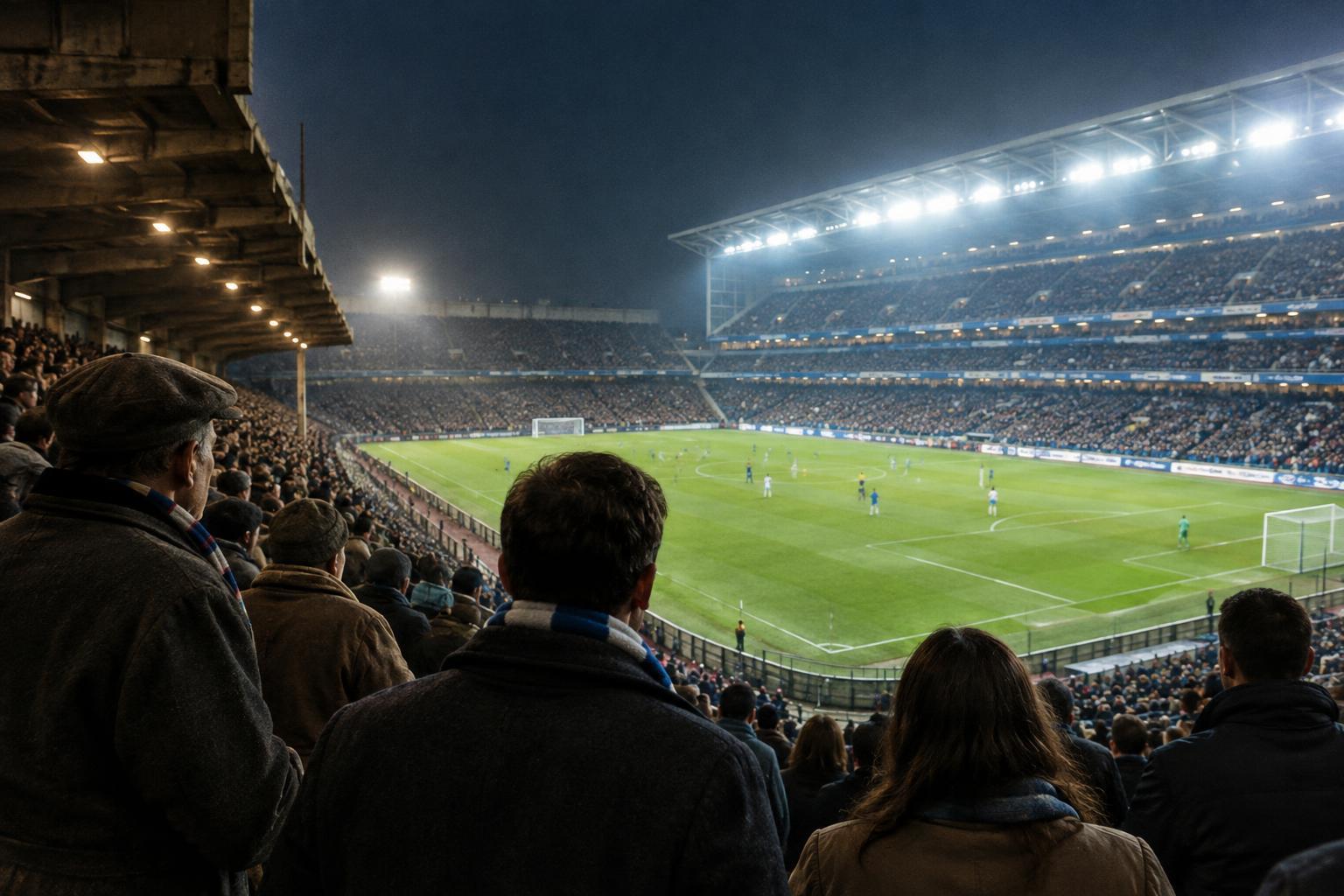
Despite the changes, the competition’s core idea survived: clubs from different European leagues meeting to settle a question that domestic results alone cannot answer. A two-legged tie can still turn on a moment in an unfamiliar stadium. Home supporters still shape the sound and character of a European night, while travelling fans carry their own club’s traditions with them.
When looking back at a great run, the best question is not simply whether it happened in the European Cup or the Champions League. Ask who was eligible, what route the club had to navigate and which opponents it met. Those details make it possible to appreciate an achievement on its own terms—and to see how much changed beyond the name.