When the finals meant just four teams
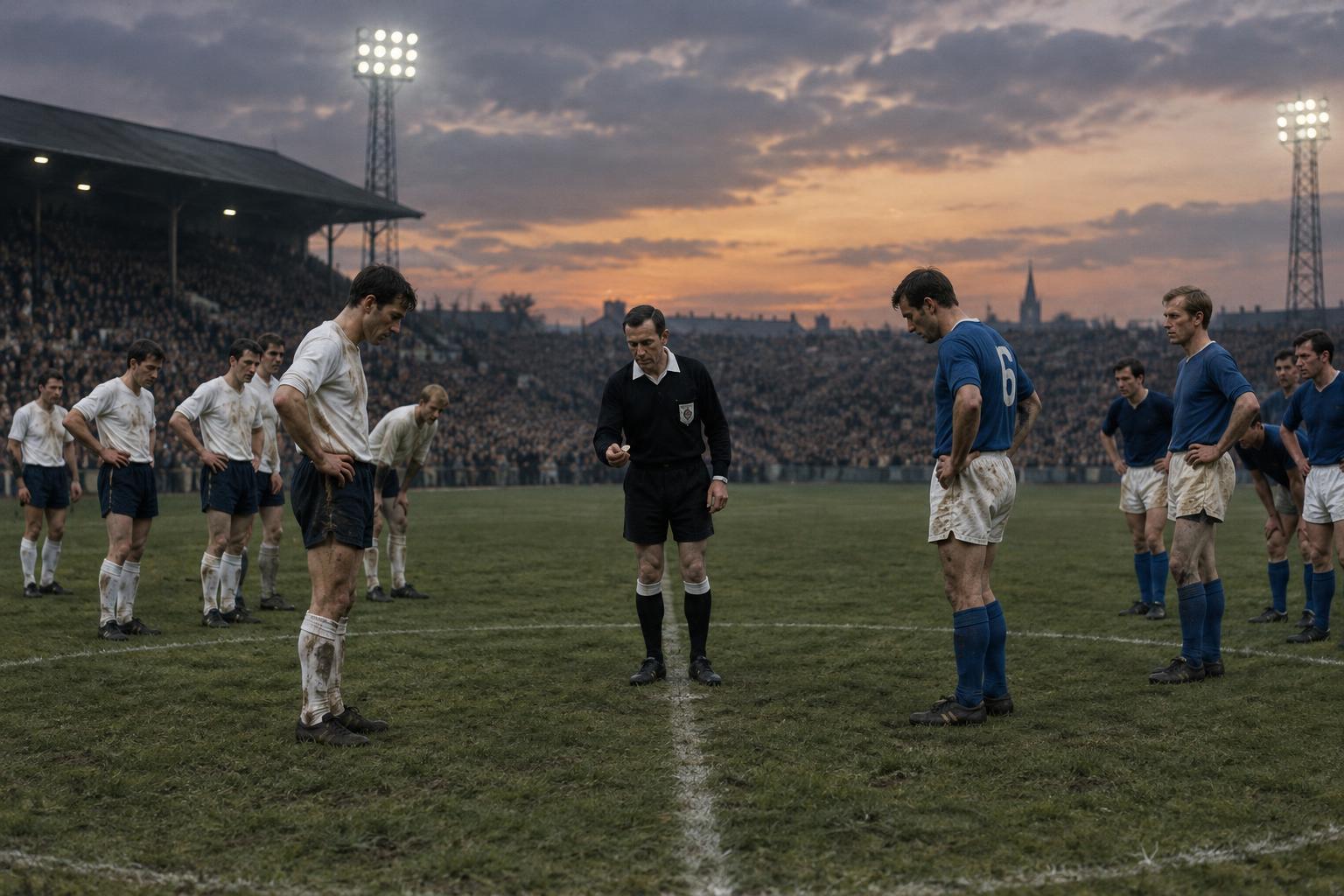
The first edition of the competition, played in 1960 as the European Nations’ Cup, ended with a four-team final tournament. That small finish can be surprising if you picture the European Championship as weeks of group games across several cities. In its early form, most of the work happened before the finals: teams advanced through knockout ties to reach the last four.
The four-team finals format remained in place through 1976. It gave the event a compact shape, with semi-finals leading quickly to the title match. For supporters looking back at those tournaments, that distinction matters. A team’s route to the last four was part of its European campaign, even though it did not take place during the short final tournament. Comparing appearances across eras therefore takes care: reaching the finals in the 1960s or 1970s meant arriving at a much later stage than it does in a larger modern field.
1980: eight teams and a longer shared event
The finals doubled to eight teams in 1980. Instead of gathering only semi-finalists, the tournament could bring more national sides together for a group stage. The change gave supporters several matches involving their team at the finals, rather than a trip that might end after one defeat.
Eight places still made qualification selective, but the expanded event allowed more stories to unfold in one host country. Travelling supporters could follow a sequence of fixtures; other visitors could plan a trip around several teams and cities. On the pitch, group play introduced a different kind of pressure from a straight knockout route. One result mattered, but teams also had to manage their position over multiple games.
1996: sixteen teams and a familiar knockout bracket
The next major increase came in 1996, when the finals grew to sixteen teams. They were divided into four groups of four, with the top two in each group moving into the quarter-finals. That structure created a clear path from group stage to final: survive three group matches, then win three knockout ties.
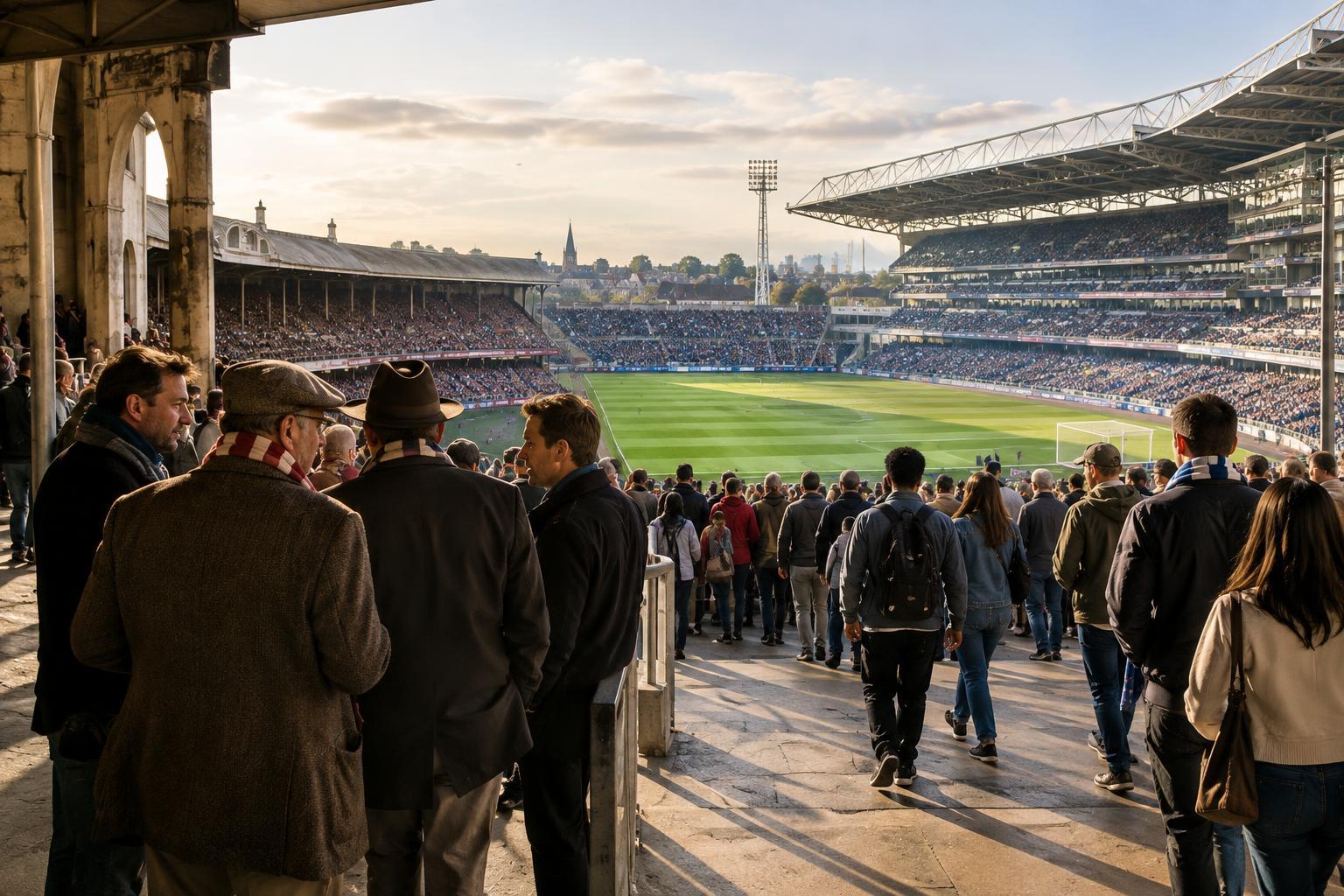
The larger field made room for more countries to experience the finals and widened the range of match-ups supporters could see. It also changed what a tournament trip could look like. A visitor might choose a base for the group stage, move to another city if their team progressed, or attend matches without following a single side. For readers comparing old and newer records, the extra round is worth remembering: a quarter-final appearance became possible only once the finals had enough teams to stage one.
2016: twenty-four teams and a new route through the groups
In 2016, the final tournament expanded again, this time to 24 teams. Six groups of four fed into a round of 16. The top two teams in each group advanced, along with four of the six third-placed teams. That detail is central to understanding the format: finishing third did not necessarily end a team’s tournament.
A 24-team field opened the finals to more participants, but it made the group-stage picture less immediate. A team might finish its own games and still have to wait for results elsewhere to learn whether it had progressed. The knockout draw could also remain uncertain for travelling fans until the final group matches were complete. For anyone planning a trip around a particular team, the format rewards flexibility: firm travel commitments are easier to make for confirmed fixtures than for a hoped-for knockout run.
How to read the different eras
Expansion did more than add matches. Each step changed the meaning of a finals appearance, the number of opponents a champion might face there and the way supporters experienced the event. Four-team finals concentrated attention on the last stages. Eight-team and sixteen-team editions gave the group stage a larger role. At 24 teams, the round of 16 and the possibility of advancing from third place became part of the story.
None of those formats makes an earlier or later achievement simple to rank. They offer different routes through the same broad challenge: qualifying, adapting to tournament football and making results count when elimination is near. When revisiting a memorable European Championship run—or planning a football trip inspired by one—start with the format. It is the quickest way to understand what a team had to do, and what its supporters could have seen along the way.