A competition with a different map of Europe
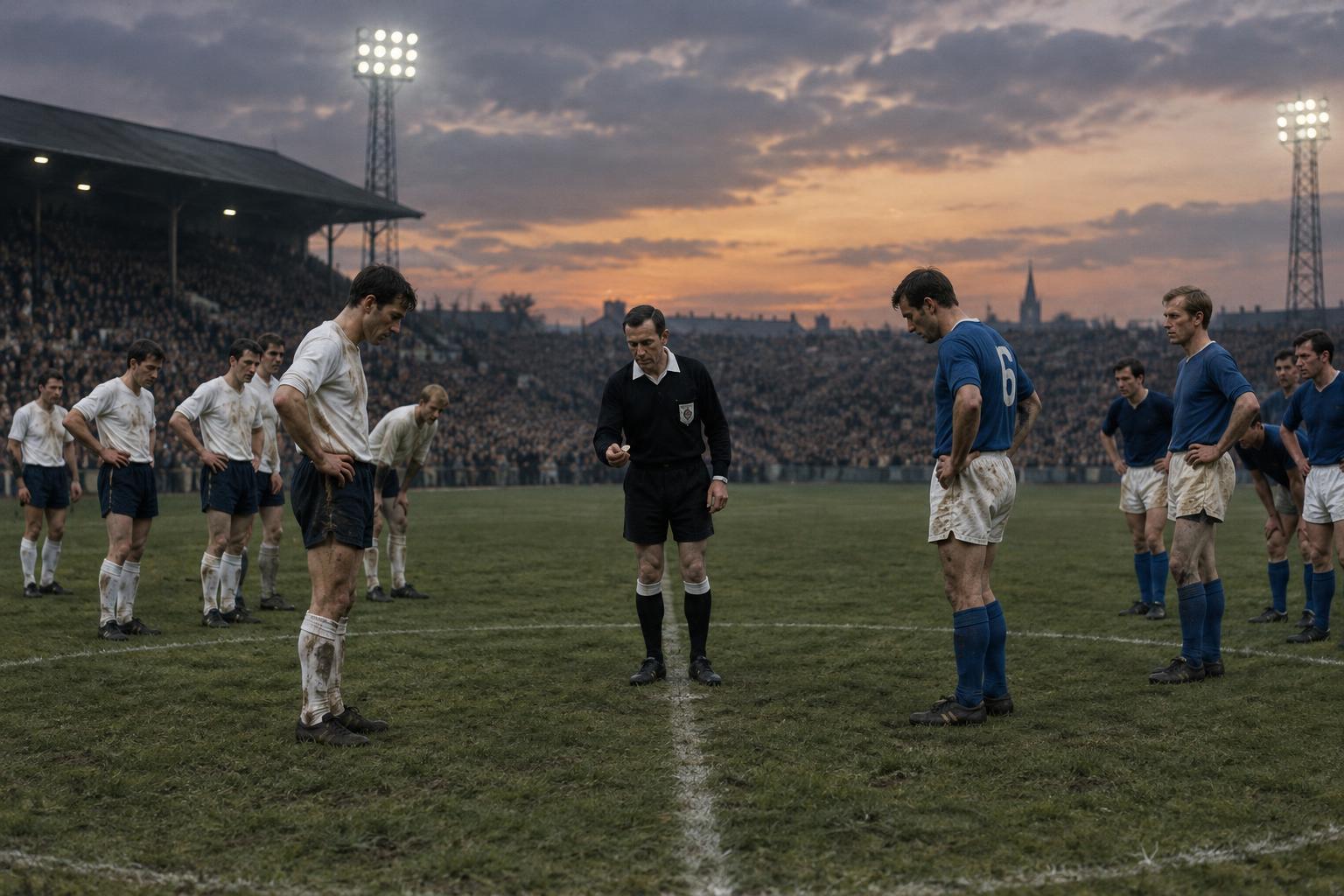
The UEFA Cup began in 1971, succeeding the Inter-Cities Fairs Cup. It offered clubs another route into continental football alongside competitions for national champions and domestic cup winners. Entry rules and the wider European landscape have changed repeatedly, but one feature endured: the tournament brought together teams that might rarely, if ever, meet in their domestic leagues.
That breadth gave the UEFA Cup a character of its own. A tie could take a well-known club to a modest ground or give a less familiar side a night against an opponent with a large travelling following. For supporters, its appeal was not only the chance of a trophy. It was also the prospect of learning a new city, hearing different terrace traditions and seeing how another club made matchday feel like home.
The long road through two-legged ties
For much of its history, the UEFA Cup was closely associated with knockout rounds played over two legs. Each club hosted once, and the result was decided across both matches. That structure made travel part of the contest’s rhythm: an away trip was not merely an excursion but half of a shared sporting story. A narrow lead, a difficult journey and an unfamiliar stadium could all shape how supporters remembered a tie.
The final followed the same home-and-away pattern until the late 1990s, when it became a single match at a designated venue. The shift changed the supporter experience as well as the sporting occasion. Instead of two clubs each staging a final at home, followers had to plan around a destination chosen in advance. The final became more like a concentrated football trip, while earlier rounds retained the distinct atmosphere of reciprocal visits.
More clubs, new stages and a new name
The UEFA Cup did not stand still before its rebrand. When the European Cup Winners’ Cup ended in 1999, domestic cup winners were folded into the UEFA Cup’s qualification routes. A group stage arrived in the 2004–05 season, adding another way for teams to face opponents from different countries before the knockout rounds. These changes made the competition broader than the sequence of two-legged ties with which many people associated it.
In 2009, the tournament was relaunched as the UEFA Europa League. The name and presentation changed, and a larger group phase became central to the format. Calling it simply the UEFA Cup under new branding misses some of that evolution; treating it as an entirely new competition misses the continuity. Its records and memories stretch back through decades of UEFA Cup nights, even as the path to the final has been revised.
Finding its place beside other European tournaments
The competition’s identity has also been shaped by its neighbours. The expansion of the Champions League altered how clubs and supporters compared European campaigns. Later, the introduction of the Europa Conference League added another level to UEFA’s men’s club competitions. Format changes, including the move away from traditional groups to a league phase, have continued to redraw the route through a season.
Yet the Europa League is more than a rung on a ladder. For a club, a deep run can turn an ordinary season into a collection of lasting nights. For a travelling supporter, the value of an away fixture does not depend solely on where the tournament sits in a hierarchy. The walk from a station, the first view of the ground and the conversations before kickoff can make a match memorable regardless of the round.
How to read its history as a traveller
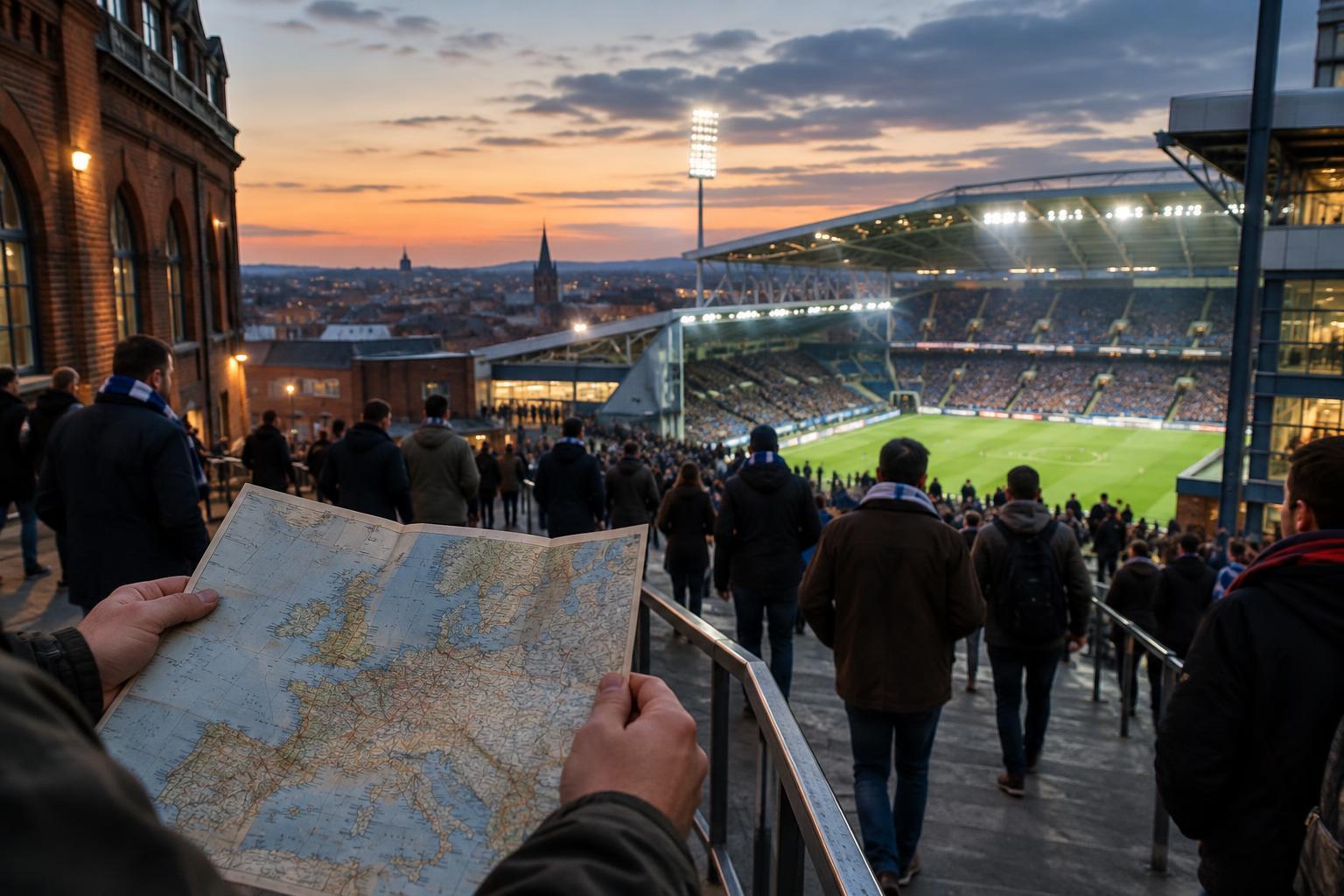
Looking back at a UEFA Cup or Europa League run is a useful way to explore football geography. Trace a club’s opponents on a map and the competition’s changing shape becomes tangible: some campaigns involved a succession of home-and-away ties, while others included a group or league phase before knockout football. The format matters because it affected which trips were possible and how much time supporters had to prepare.
If an old fixture inspires a visit, treat it as a starting point rather than a ready-made itinerary. Grounds, transport links and local routines may have changed since the match was played. Check present-day information before travelling, and leave room to discover the host city beyond the stadium. That balance between football history and the place around it is part of what has carried the competition’s appeal from the UEFA Cup era into the Europa League.