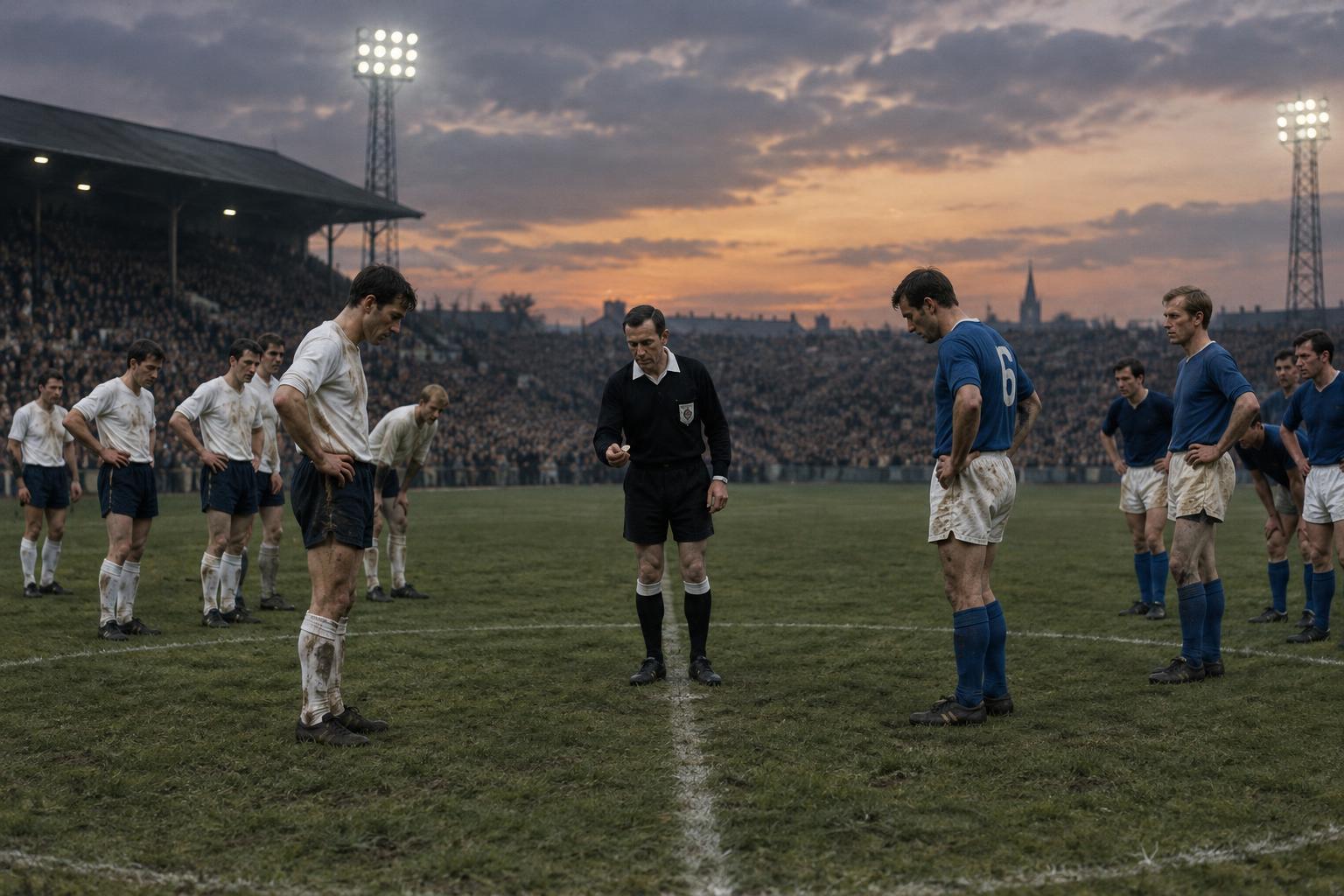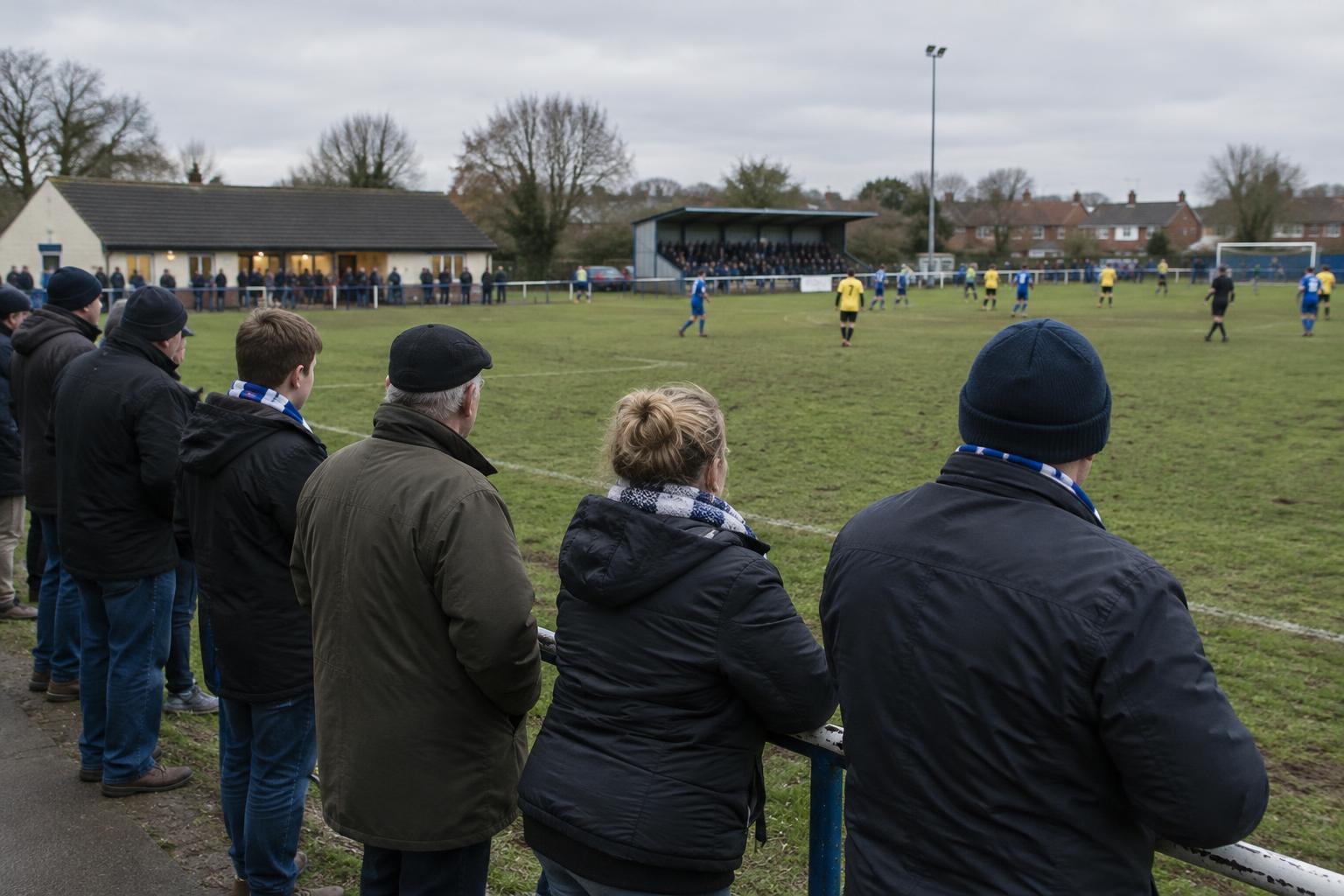
A ground that belongs to its community
At a smaller football ground, match day may feel less like a staged event and more like a weekly gathering. People greet familiar faces, discuss the team by the entrance and return to the same spot to watch. Some have followed the club for decades; others help run it or bring children who are just learning its rituals. As a visitor, you are stepping into a shared routine rather than an attraction arranged for you.
There is no single lower-league experience. A ground might have covered seating and a busy supporters’ bar, or little more than a stand, a snack counter and open space beside the pitch. The size of the crowd and the atmosphere can vary widely, even at the same club. Go with curiosity rather than an expectation that every small ground will be intimate, noisy or picturesque.
Follow the match-day rhythm
Arriving with time to spare lets you find the entrance, understand where you can stand or sit, and take in the surroundings without rushing. Check the club’s own match information before setting out: kick-off details, ticket arrangements, ground rules and access information can change. If the club separates home and away supporters, follow its signs and staff guidance. Do not assume you can move freely between sections because the venue is small.
Inside, conversation is often part of the occasion. You may hear discussion of former players, nearby rivals, volunteers or the condition of the pitch. You do not need to know the club’s entire history to join in. A simple question about where regulars like to watch, asked at a natural moment, is usually a better opening than declaring what the club ought to do. During tense passages of play, it may be best to leave people to the match.
Be a guest, not the centre of the story
Supporter traditions differ from club to club. Listen before joining a chant, and avoid repeating words you do not understand. Rivalry and teasing may be part of football, but abuse directed at individuals is not something a visitor needs to imitate. You can support the home side, stay neutral or quietly follow the away team where permitted; the important thing is to respect the people sharing the space.
The same care applies to photographs and social posts. A wide view of the pitch may be welcome, while a close-up of a supporter, volunteer or child calls for more thought and, where appropriate, permission. Keep sightlines clear, obey any photography restrictions and put the phone away when filming would get in someone’s way. A small ground is a public football venue, but it is also a familiar place for many of the people in your frame.
Plan for the practical differences
Facilities at community grounds can be modest, so prepare for the conditions rather than assuming the amenities of a large stadium. Check the forecast and consider layers, waterproof clothing and footwear suitable for standing outdoors. Look up transport for the return journey, particularly if services are infrequent. Payment methods, food options and bag policies vary; checking ahead is more useful than relying on assumptions.
If you have access requirements, contact the club before travelling when possible. Ask specific questions about step-free routes, accessible viewing areas, toilets and parking rather than relying on a general description of the ground. Staff and volunteers may be able to explain what is available, but advance notice can make the visit easier for everyone. Give yourself a little extra time on arrival to find the right entrance and settle in.
Support the club in a way that fits your visit
Buying admission, a programme, a drink or something from a club shop, if available, can be a straightforward way to contribute. Just as valuable is treating the ground and the people who look after it with care: use bins, follow instructions and leave spaces as you found them. If a volunteer is busy managing a queue or preparing for kick-off, save longer questions for a quieter moment.
The appeal of a smaller ground is not that it offers a guaranteed version of “authentic” football. It is that you can notice the details that make this particular club itself: the route people take to the turnstile, the conversations at half-time, the way supporters respond to a difficult spell. Pay attention, make room for those whose match-day home it is, and you are likely to leave with a richer memory than the score alone.