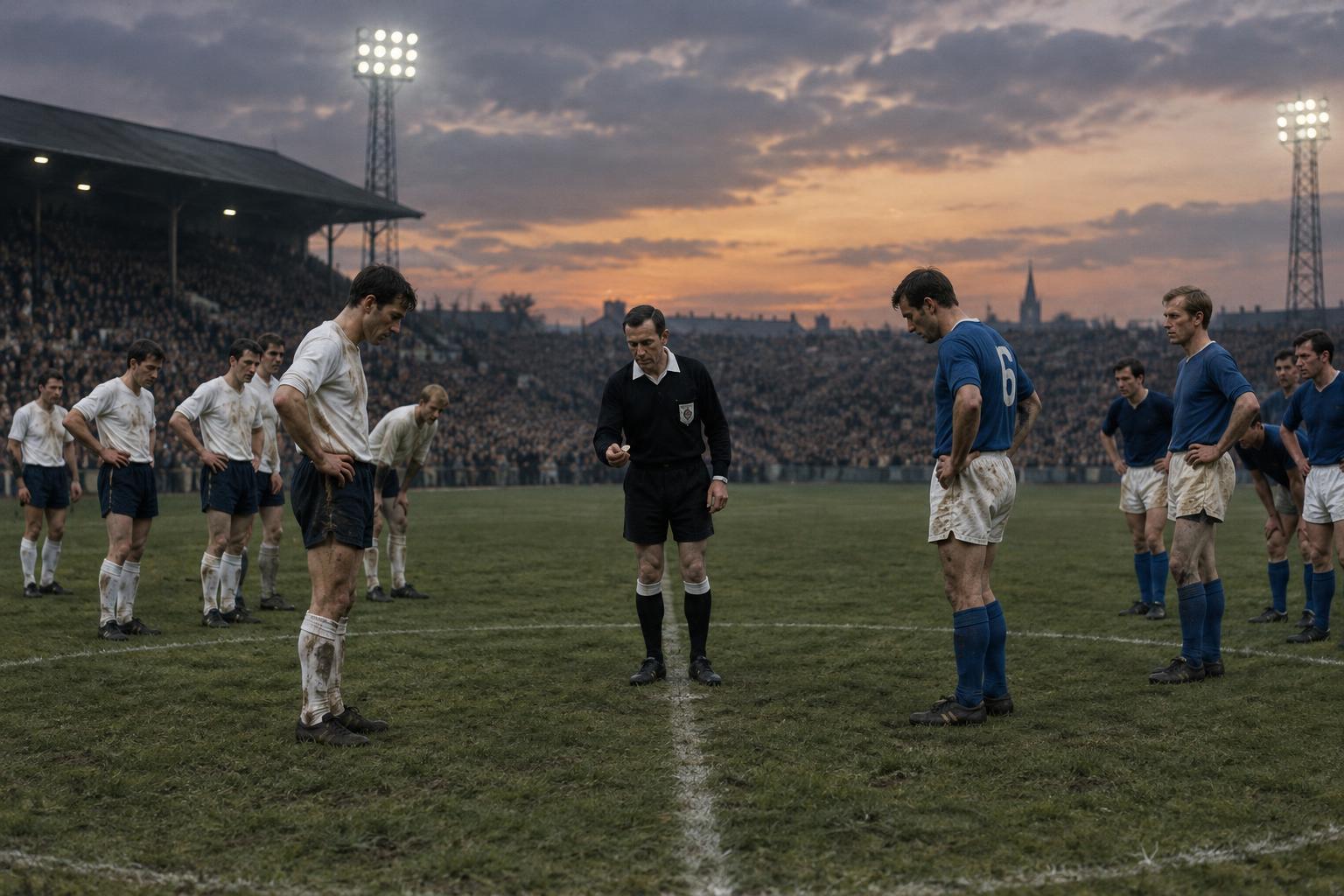
Pause and find out what is happening
A football ground can change mood in an instant. A lively pre-match crowd may fall quiet, stand together or begin applauding before kick-off. The tribute might honour a former player, a supporter, people affected by a tragedy or someone important to the local community. If you are visiting, you may not know the story behind it. You do not need to know every detail to respond with care.
Listen for a stadium announcement and look at the big screen or match programme if either is available. Watch how nearby supporters react, especially before joining in with a chant or clapping. If you are unsure, staying still and attentive for a moment is a sound first step. Ask a neighbour what the tribute meant afterward rather than talking over it.
During a minute of silence, keep your own noise down
When a silence is announced, stop conversations, put away anything noisy and give others room to observe it. If you are standing, remain where you are rather than trying to move through a row. If you are seated or cannot stand comfortably, quiet attention is enough. There is no need to copy another person’s posture or gesture.
A crowded stadium will not always become perfectly silent. Someone may miss the announcement, arrive late or react differently because of a personal connection to the event. Resist the urge to shout corrections across the stand. Follow any direction from stewards, and let the moment finish before returning to normal matchday activity.
Phone alerts, video playback and camera shutters can carry surprisingly far during a hush. Silencing your phone beforehand is considerate. If you want to record the occasion, think about whether doing so might disturb people nearby; experiencing the moment without a camera is often the simpler choice.
Follow the rhythm of applause
Some tributes invite applause instead of silence. Supporters may clap for a set interval or at a particular minute of play, sometimes alongside a display in the stands. Applause can express remembrance, appreciation or solidarity, but its meaning depends on the occasion. Do not assume that clapping is appropriate just because it was used at another match.
If the announcement asks for applause, join in if you feel comfortable. If the crowd starts clapping during play and you do not understand why, it is fine to listen and follow the lead of those around you. Keep an eye on the pitch and the people beside you: a timed tribute does not stop the match, and spectators may still need to move safely along an aisle.
Participation need not be performative. You can clap quietly, stand respectfully or simply give the moment your attention. Avoid judging someone who responds differently. For some people, a tribute may be deeply personal; for others, its meaning may only become clear later.
Treat banners, songs and gestures with care
Commemorations may include scarves held aloft, a banner, flowers, a song or a display arranged by supporters. These can be rooted in a club’s history and may not be obvious to a visitor. Let the people involved set the tone. Do not handle a banner, move flowers or step into a display for a photograph without an invitation.
Be cautious about joining a song when you do not know its words or context. A chant that sounds familiar can have a different association in another stand. Likewise, avoid making a gesture because you saw someone else do it without understanding what it signifies. Quiet observation is a valid way to show respect.
If you share an image afterward, consider what it includes. A wide view of a public display tells a different story from a close-up of someone grieving. Give people space, and avoid turning a solemn moment into a backdrop for your own trip.
Leave room for local customs and individual feelings
There is no single European football etiquette that covers every ground, club and community. Announcements may be made in a language you do not speak, and a tribute may begin before you have found your seat. Arriving with time to spare, reading available stadium information and paying attention to stewards can help you settle in without disrupting others.
The most useful approach is modest: notice the change in atmosphere, listen, follow clear requests and avoid adding noise or drawing attention to yourself. If a tribute catches you by surprise, a respectful pause is better than rushing to imitate the crowd. You can learn the story afterward and carry that understanding into the rest of your visit.