A European stage for domestic cup winners
The European Cup Winners’ Cup was a club competition built around a simple idea: winning a national knockout cup could take a team into Europe. It ran from the 1960–61 season through 1998–99. For supporters, it offered a different route to a European trip from the one earned by finishing near the top of a league table.
At the time, Europe’s main club competitions had distinct entry routes. The European Cup was associated with league champions, while the UEFA Cup drew largely from league placings. The Cup Winners’ Cup gave domestic cup success its own international reward. That mattered because a knockout cup can produce a different winner from a season-long league campaign: a club did not need to be its country’s strongest over thirty or more league matches to earn a place.
Who qualified, and how did it work?
The usual entrant was the winner of a country’s principal domestic cup. In England, for example, that meant the FA Cup winner rather than the League Cup winner. If a club won both its league and its cup, the European Cup generally took priority, and the domestic cup runner-up could take the Cup Winners’ Cup place. Qualification details changed over the competition’s lifetime, so an individual season is worth checking before assuming the same rule applied everywhere.
The tournament was primarily a knockout contest. Clubs faced opponents over home and away legs in successive rounds, with a final deciding the trophy. That structure made each draw consequential. A single cup-winning season at home could lead to visits from unfamiliar clubs and give supporters a reason to learn about a city they might never otherwise have considered visiting.
Its entry rule also produced an unusual mix of teams. Established European names appeared regularly, but so did clubs whose domestic cup run was more exceptional than their league form. The competition was not a second division of the European Cup: it rewarded a different achievement. Some of its appeal came from that uncertainty, even if the strongest clubs often remained difficult to beat.
What made it memorable?
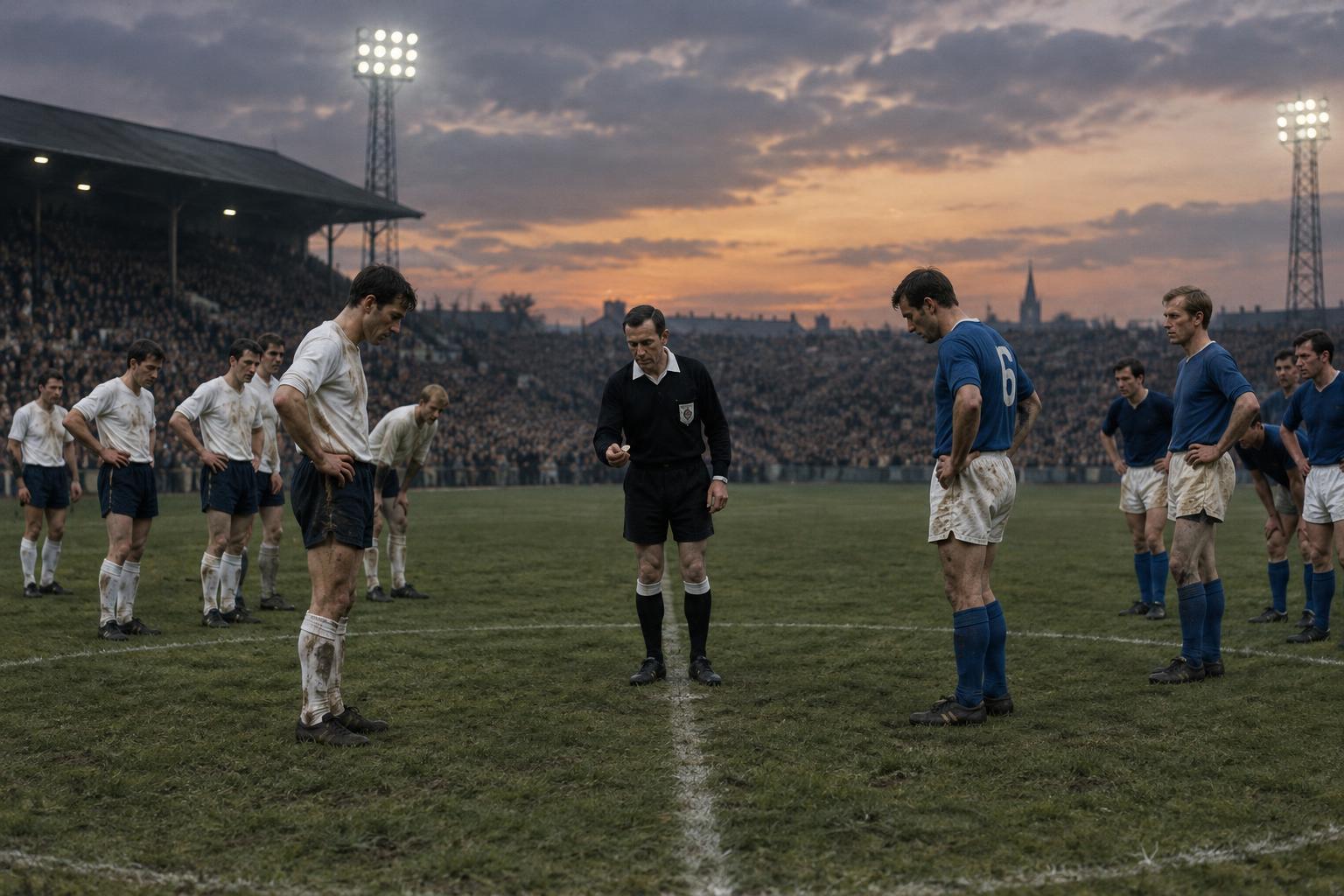
A domestic cup already carries a particular kind of drama. It asks teams to survive individual ties rather than accumulate points over months. The Cup Winners’ Cup extended that story beyond national borders. For a supporter, the journey might begin with a cup final at home and continue with a midweek match in an unfamiliar ground abroad. The away end, the walk through a host city and the return leg all became part of the same cup run.
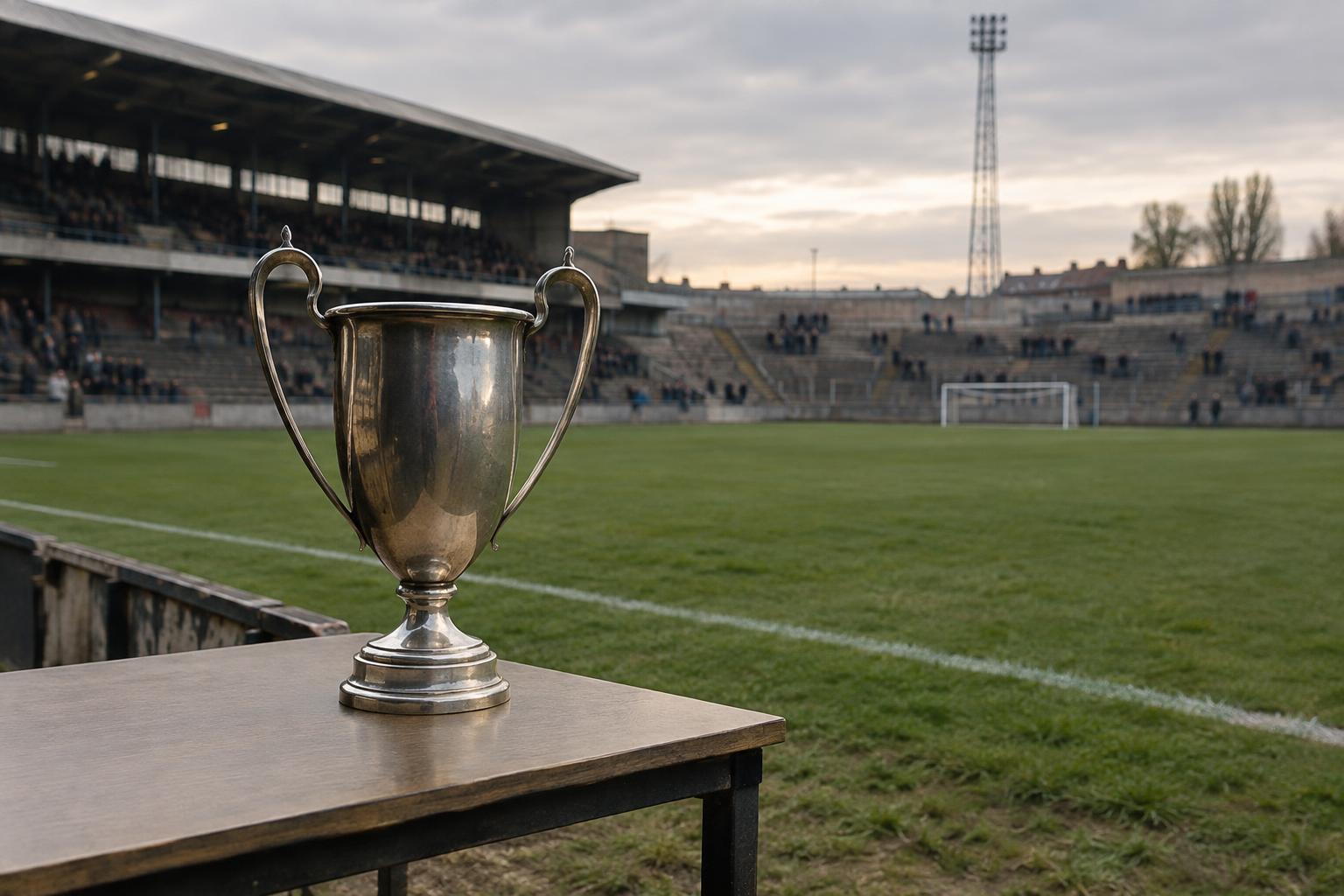
The tournament also gave domestic cups an added European consequence. Winning one meant more than lifting a national trophy; it could shape the following season’s travel plans and opponents. That connection is useful when looking back at old programmes, photographs or stadium displays. A reference to a Cup Winners’ Cup tie tells you not just where a club played, but how it earned the right to be there.
There were notable winners from across Europe, including Barcelona, Ajax, Milan and Chelsea. Those names show that the trophy was taken seriously by major clubs, but they do not tell the whole story. Its identity rested on the qualification route: every entrant was linked, directly or through a qualification exception, to the particular drama of a domestic cup.
Why did the competition end?
By the 1990s, the structure of European club football was changing. The Champions League grew beyond a competition reserved solely for national champions, drawing more leading clubs into its orbit. At the same time, UEFA had to fit several competitions, qualifying routes and broadcast commitments into the calendar. A separate tournament for cup winners became harder to sustain within that reshaped system.
The Cup Winners’ Cup’s final season was 1998–99. Lazio won its last final against Mallorca, and domestic cup winners subsequently entered the UEFA Cup instead, subject to the applicable qualification rules. That was a change of destination, not an end to European places for cup winners. Later changes to UEFA’s competitions mean the modern route should not be read back into every historical season.
For a football traveller, the Cup Winners’ Cup remains a useful lens on the past. It explains why a club visited a particular European city despite not winning its domestic league, and why an old cup final could have consequences well beyond its home country. When tracing a historic away trip, start with the domestic cup result, then follow the European draw. The connection between those two competitions is the heart of the Cup Winners’ Cup story.