Before Europe had a club champion
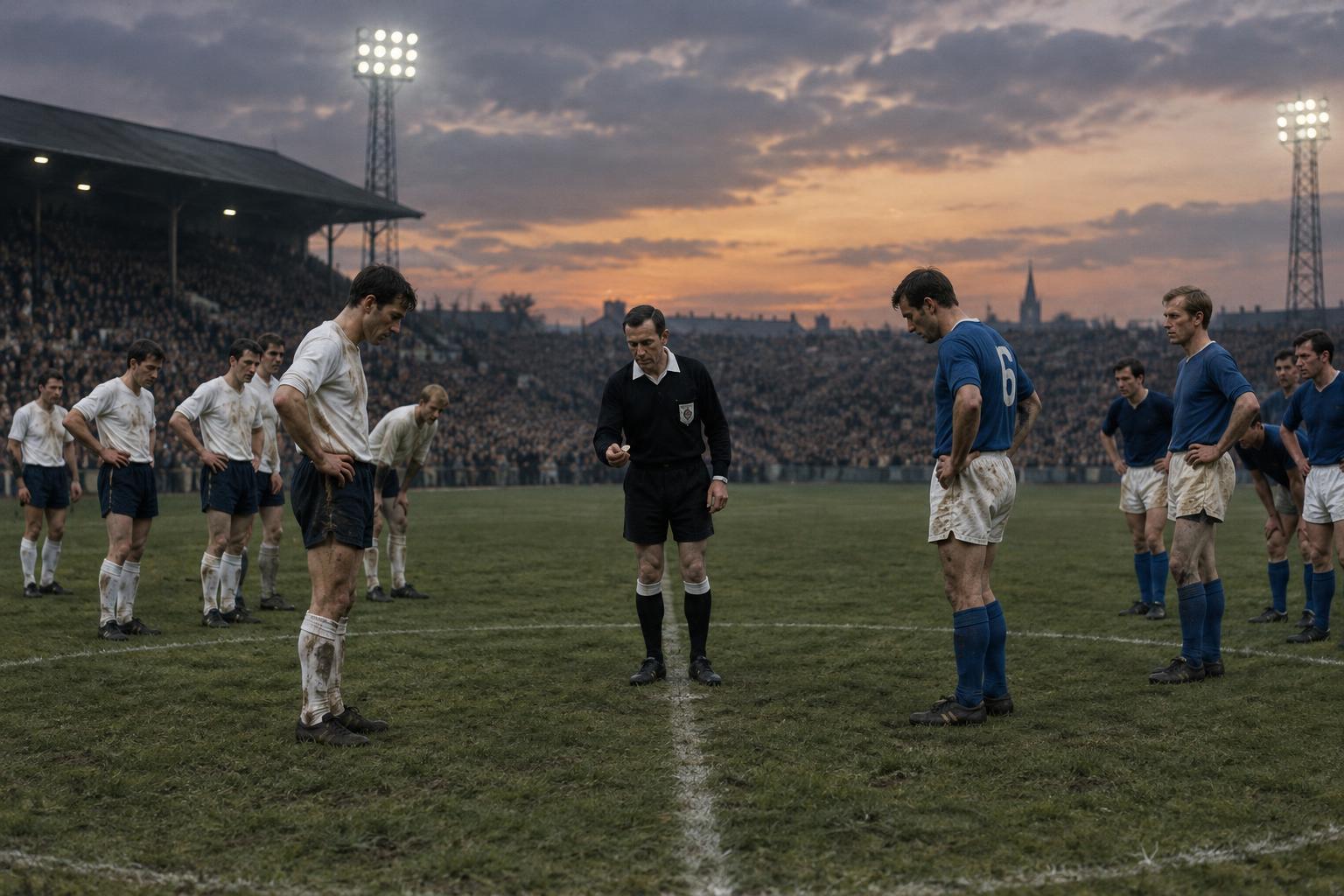
For much of the first half of the twentieth century, a club’s biggest prize was usually domestic. Teams could meet foreign opponents in friendlies, tours and regional competitions, but there was no season-long tournament bringing leading clubs together from across the continent. A match between champions of different countries might attract enormous attention without settling a lasting question: who could call themselves Europe’s strongest club?
The idea of international club football was not entirely new. Competitions such as the Mitropa Cup and the Latin Cup had shown that matches across borders could appeal to supporters. Their reach was limited, however, by geography and the teams eligible to take part. A broader European competition would give clubs a different stage, one that connected national success to a shared continental contest.
A question sharpened by high-profile matches
In the 1950s, prominent friendlies helped turn the idea into a more urgent debate. When Wolverhampton Wanderers beat Hungary’s Honvéd in a widely discussed match in 1954, talk of who deserved to be considered the best club in the world drew a response from French sports journalists. A single home fixture, however impressive, could not answer that question for everyone. A planned competition, played over several rounds, offered a more convincing test.
The French newspaper L’Équipe played an important role in promoting a European club tournament, with journalist Gabriel Hanot closely associated with the proposal. The competition did not arise from one match or one person alone. It required clubs willing to take part, organisers able to agree on a format and football authorities prepared to accommodate a new event alongside domestic schedules.
From proposal to the first tournament
The first European Cup began in the 1955–56 season. Its name would later become closely tied to national champions, but the opening field was assembled by invitation rather than by a uniform qualification rule. That distinction matters: the competition’s familiar identity developed as its organisers established a more consistent way to bring together clubs from different countries.
The basic structure was straightforward enough for supporters to follow. Clubs progressed through knockout ties, generally meeting an opponent at home and away before the surviving teams reached a single final. That format made each visit consequential. An away match was not just an exhibition against a foreign side; it was one half of a contest whose result could end a club’s European campaign.
Real Madrid won the first final, beating Stade de Reims in Paris, and went on to claim the first five European Cups. Those victories gave the young tournament a memorable early story. They also showed how repeated continental success could build a club’s reputation well beyond its own league.
Why the competition found room to grow
The European Cup met several needs at once. For clubs, it offered a test against opponents whose styles and reputations were not always familiar at home. For newspapers and broadcasters, it produced clear narratives: a champion travelling abroad, a difficult return leg, a place in the final at stake. For supporters, it made distant football cities part of their own season rather than names encountered only in occasional reports.
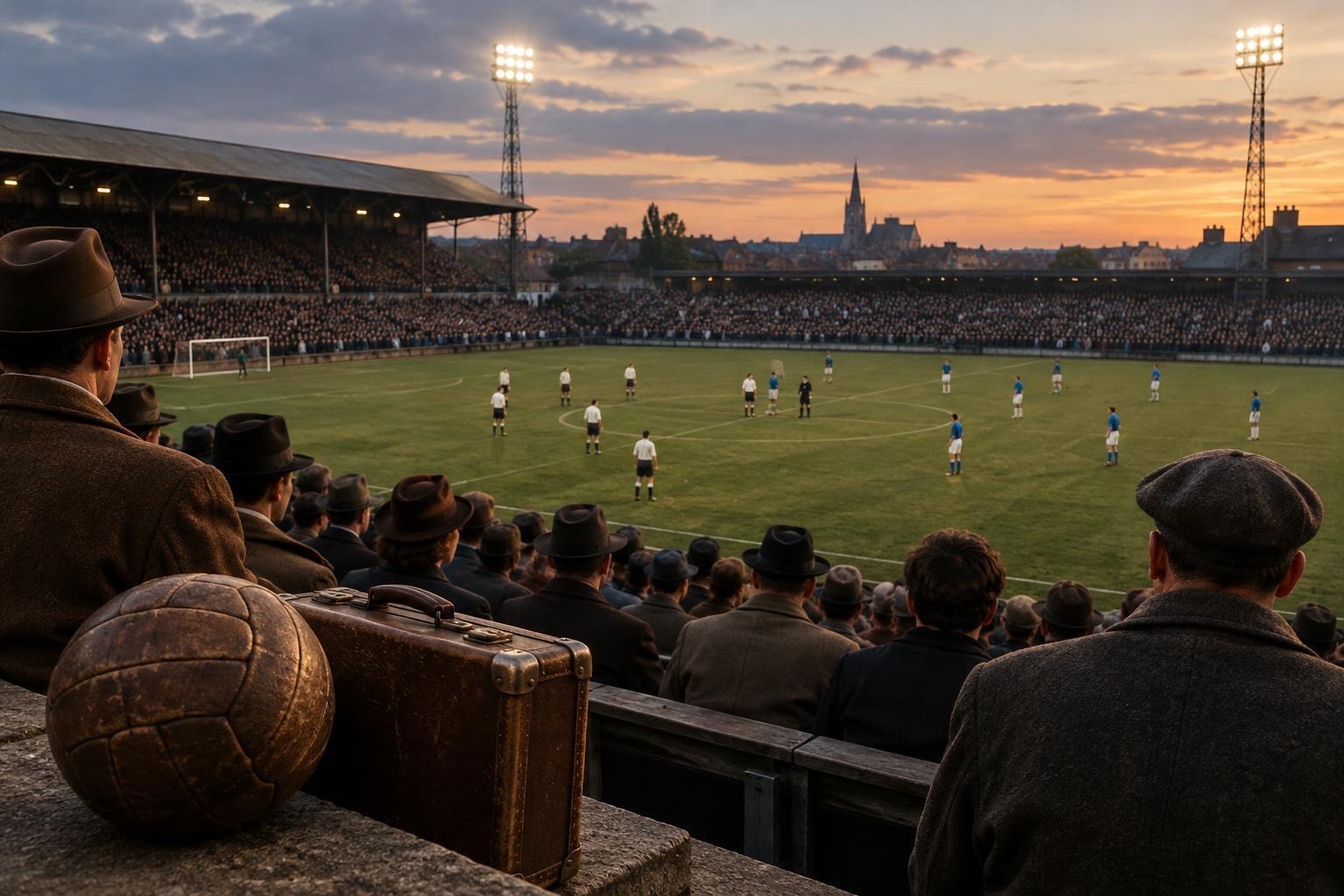
Travel remained a substantial undertaking. Players and supporters had to work around distance, cost and schedules that were less convenient than many travellers expect today. Yet those obstacles also gave the matches a distinctive atmosphere. An away trip carried the sense of representing a club and its city in unfamiliar surroundings, while home crowds could measure their team against visitors they rarely had the chance to see.
The tournament did not replace national football. Its appeal depended on it: domestic achievements provided a reason for clubs to meet on a wider stage. Over time, the European Cup became part of the rhythm of a football season, linking local loyalties to a continental map.
The beginnings that still shape football travel
For a football traveller, the early European Cup is a reminder that a fixture is more than ninety minutes in a stadium. Its meaning also comes from the journey between cities, the welcome or rivalry awaiting visiting supporters and the chance to see how another place lives with the game. Those experiences helped make cross-border club matches compelling long before European travel became easier for many fans.
The European Cup eventually evolved into the UEFA Champions League, with a different scale and format. Looking back at its beginnings helps explain the enduring appeal beneath those changes: the simple prospect of clubs rooted in separate football cultures meeting to find out what happens on the pitch.