A meeting between European winners
The idea behind the UEFA Super Cup is simple: bring together clubs that have won different European competitions and let them play for another trophy. It is not a league title or a route into a longer tournament. Its appeal lies in the contrast between two successful teams whose paths through the previous season may have looked quite different.
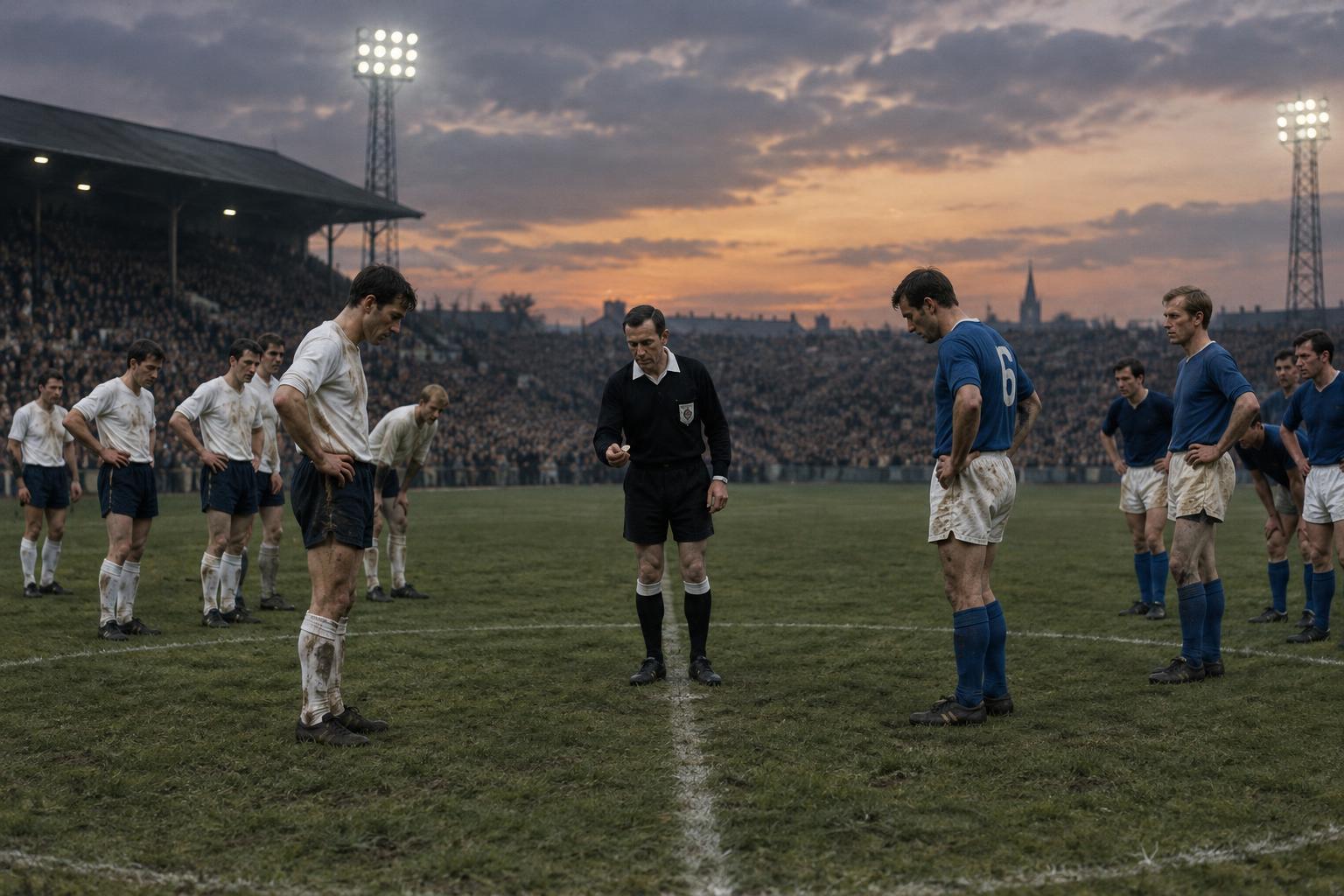
An Ajax–Rangers contest in 1972 is widely treated as the competition’s unofficial precursor. Ajax were European Cup holders, while Rangers had won the European Cup Winners’ Cup. UEFA did not recognize that contest as an official Super Cup edition. The first officially recognized edition followed in 1973, when Ajax faced AC Milan.
That distinction matters when reading lists of past winners or discussing the competition’s age. The early idea and the official record do not begin at exactly the same point. From the outset, though, the central question was clear: what happens when the winners of Europe’s leading club tournaments meet?
The original matchup: European Cup versus Cup Winners’ Cup
For much of its early history, the Super Cup matched the European Cup winner with the winner of the European Cup Winners’ Cup. The latter competition was built around clubs that had won domestic cup competitions, so the fixture brought together champions from two distinct routes through European football.
That made the matchup more interesting than a straightforward ranking of the continent’s two strongest teams. A club could reach the Cup Winners’ Cup by succeeding in a national knockout competition, while the European Cup was associated with domestic league champions. The clubs’ playing styles, resources and recent histories could vary considerably.
The Super Cup itself was not always staged in the same way. Early editions were generally played over two legs, with each club hosting a match, although there were exceptions. Some planned editions did not take place. Its historical record is therefore better understood as the story of an evolving fixture than as an unbroken run of identical annual events.
Why the opponents changed
European club football changed substantially after the Super Cup began. The European Cup developed into the UEFA Champions League, whose entry rules expanded beyond domestic champions. Its winner still earns a place in the Super Cup, but the name of the competition and the range of clubs able to win it are different from those of the original European Cup era.
The bigger change to the Super Cup pairing came when the Cup Winners’ Cup ended after the 1998–99 season. With no future Cup Winners’ Cup champion to invite, the Super Cup began matching the Champions League winner against the UEFA Cup winner. When the UEFA Cup was renamed the UEFA Europa League, the matchup became the one familiar to many supporters today: Champions League winner versus Europa League winner.
The shift did more than replace one label with another. A domestic cup winner is not the same thing as a Europa League winner, even though domestic cup success can help a club qualify for European competition. The modern Super Cup brings together teams that have won two different continental tournaments, each with its own format and route to the final.
A one-match occasion with a long history behind it
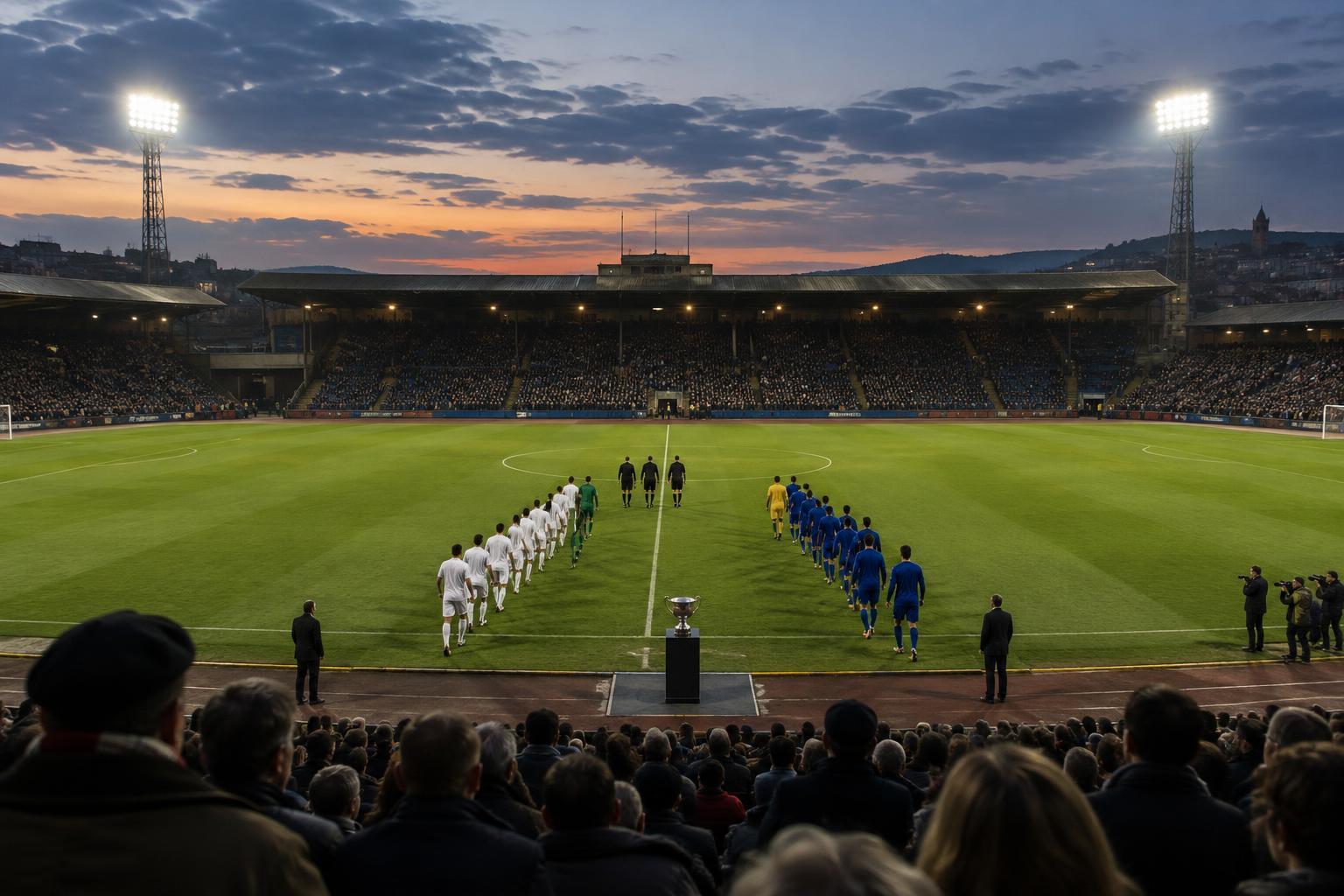
The Super Cup also changed as an event for spectators. It became a single-match fixture in 1998, replacing the usual home-and-away arrangement. Monaco hosted it for many years; later editions moved among different host cities. For a travelling supporter, that means the setting can be part of the experience rather than simply one finalist’s home ground.
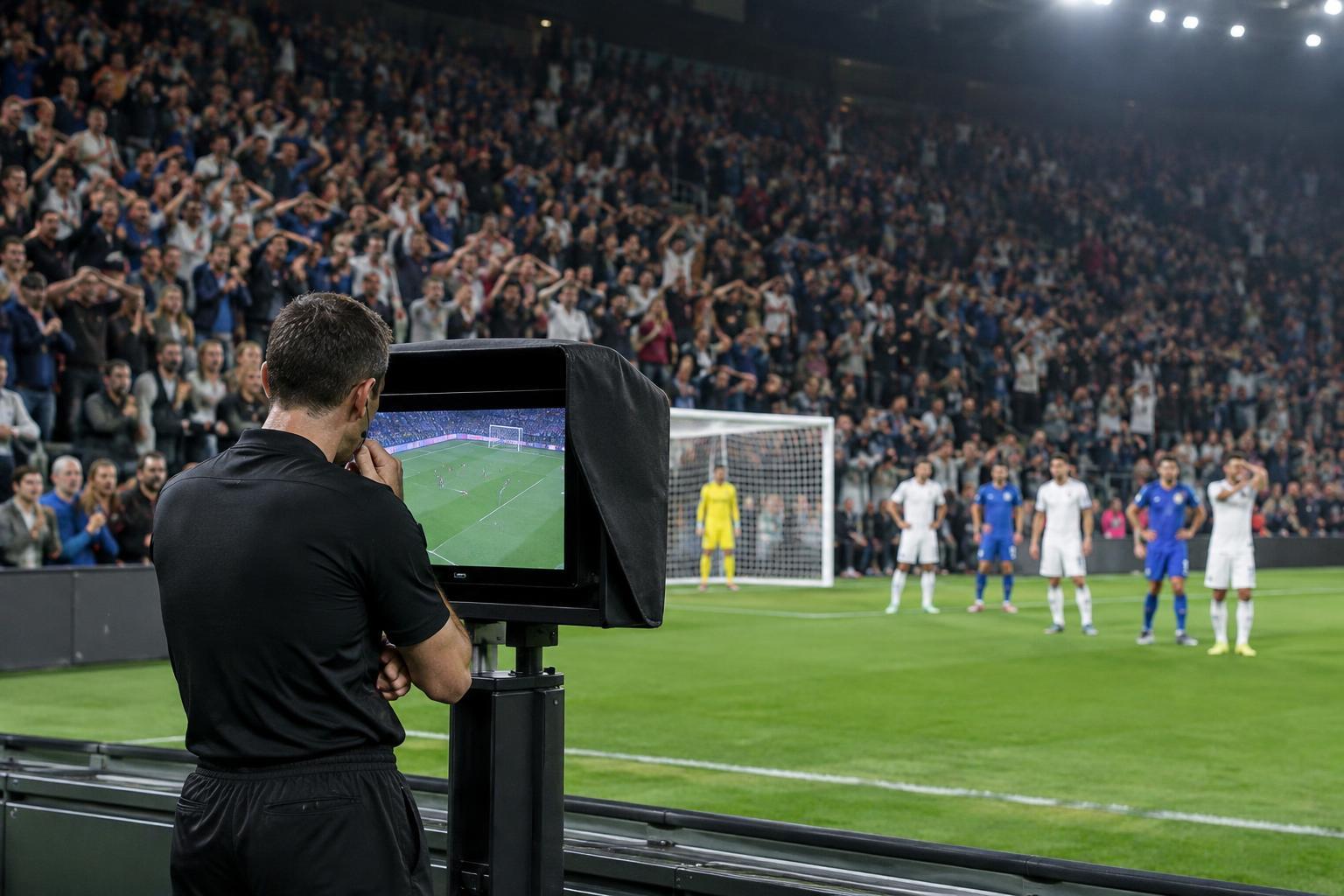
Its timing gives the match a character of its own. The clubs qualify through achievements from the preceding season, but they meet after a summer in which squads and coaches may have changed. A Super Cup result can be memorable without serving as a reliable prediction of how either team’s new season will unfold.
The easiest way to place any edition in context is to ask three questions: Which competitions did the clubs win to get there? What format was the Super Cup using? And where was it played? Those answers explain why an older fixture might feature a Cup Winners’ Cup holder over two legs, while a later one features a Europa League holder in a single host city. The trophy’s purpose has remained recognizable, even as the European game around it has changed.