Before the first UEFA competition
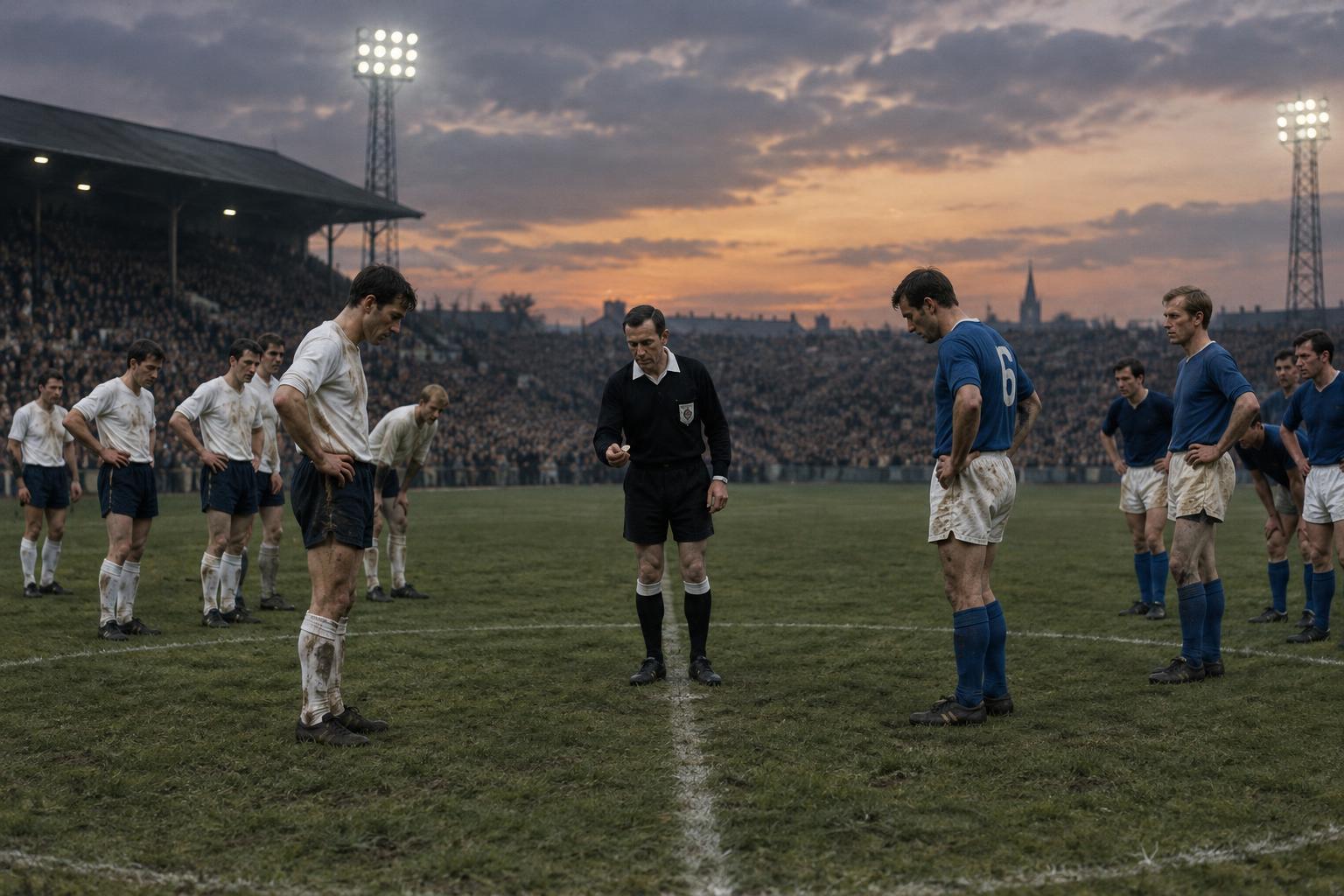
The story of the Women’s European Championship does not begin with a single opening match. Women played football across Europe long before UEFA organised a continental competition, often despite limited access to pitches, clubs and institutional support. Teams and supporters kept the game going through local networks and international fixtures that received far less attention than comparable men’s matches. That earlier history matters: the eventual championship did not create women’s football, but gave an existing game a more consistent European stage.
The first UEFA-organised competition for women’s national teams began with qualifying matches in 1982 and concluded in 1984. It was called the European Competition for Representative Women’s Teams, rather than the Women’s EURO. Sweden won the inaugural title against England in a final played over two legs. The format feels distant from the concentrated host-country tournaments familiar to many supporters today, but it established a recurring contest between national sides.
How the tournament took shape
The early editions were compact. With fewer places in the final stages, reaching the decisive matches was a significant achievement, and a supporter could not expect the weeks-long itinerary now associated with a major championship. As the competition developed, its name, structure and scale changed. Those changes made room for more teams and gave more countries the chance to host matches, build a following and measure themselves against established opponents.
Expansion was not simply a matter of adding fixtures. A larger field changed the rhythm of the event: group matches offered more encounters between unfamiliar opponents, while knockout rounds gave a broader range of teams a route through the competition. It also created more opportunities for travelling supporters to experience the tournament beyond a final. A championship that once centred on a handful of matches gradually became something people could plan a football trip around.
Growth beyond the pitch
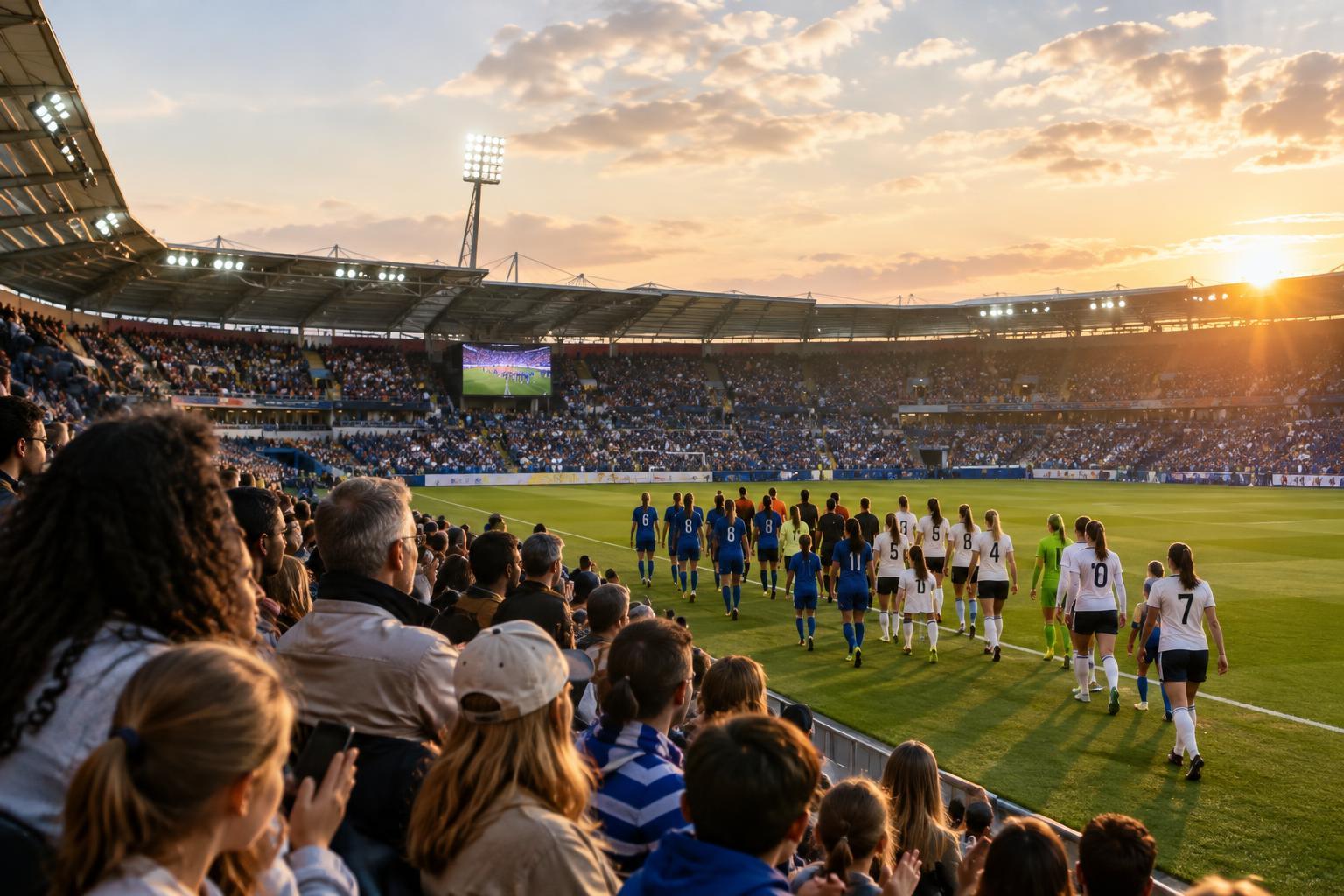
Tournament growth is often described through crowds or television coverage, but its effects are also visible in ordinary matchday details. When a competition is given more prominent venues and clearer public attention, a visiting supporter may find more ways to join in: meeting local fans, exploring the host city before kick-off and sharing the journey with others following different national teams. These experiences help a tournament become part of a place’s wider football culture.
Progress has not been identical across Europe. National teams have developed within different club systems and with different levels of backing, so greater tournament visibility should not be mistaken for equal conditions everywhere. Looking back at the championship is more rewarding when it includes that unevenness alongside the memorable matches. It helps explain why qualification, participation and hosting can mean different things to different football communities.
A landmark in England
England’s title at the 2022 Women’s EURO is a useful point from which to look back, though it is not the whole story. The final at Wembley placed the competition in one of Europe’s best-known football settings and gave many casual viewers a vivid introduction to it. For long-time followers, the moment also reflected decades of work by players, coaches, clubs and supporters who had helped sustain the game when the platform was smaller.
A landmark final can make growth appear sudden. The earlier editions show a slower process: organising a continental competition, keeping it going, widening participation and making space for more people to follow it. Remembering that sequence gives context to the celebrations without treating any one tournament as a beginning or an endpoint.
Following the history as a travelling supporter
For a football traveller, the championship’s history offers a way to see more than the stadium. A host city’s clubs, community pitches and football traditions can provide context for what happens on matchday. Before travelling, it is worth learning a little about the local women’s game and the teams taking part. That preparation can make a fixture feel connected to a longer story rather than isolated from its surroundings.
Tournament formats and travel arrangements change between editions, so historical results and old itineraries are best treated as background, not as a planning guide. The enduring lesson is simpler: the Women’s European Championship grew because people continued to play, organise and support the game. Following it with curiosity about those people and places makes the trip richer, whatever the score.