Compare the whole journey, not just the time in motion
A two-hour flight is not necessarily faster than a five-hour train. Airports may be far from the city, and the journey also includes check-in, security, boarding and the trip from the arrival airport. A train often starts and ends closer to where visitors stay. Coaches may use central stops too, though they can be affected by road traffic. Compare each option from your accommodation in one city to your accommodation in the next.
Make the same comparison for cost. Add local transport to and from terminals, luggage charges, seat reservations and any accommodation you would need because of an early departure or late arrival. The cheapest fare can become less attractive if it leaves you tired before the match or requires an extra night away. Prices and timetables vary by route and booking date, so check the journey you intend to take rather than relying on a general rule.
When the train makes sense
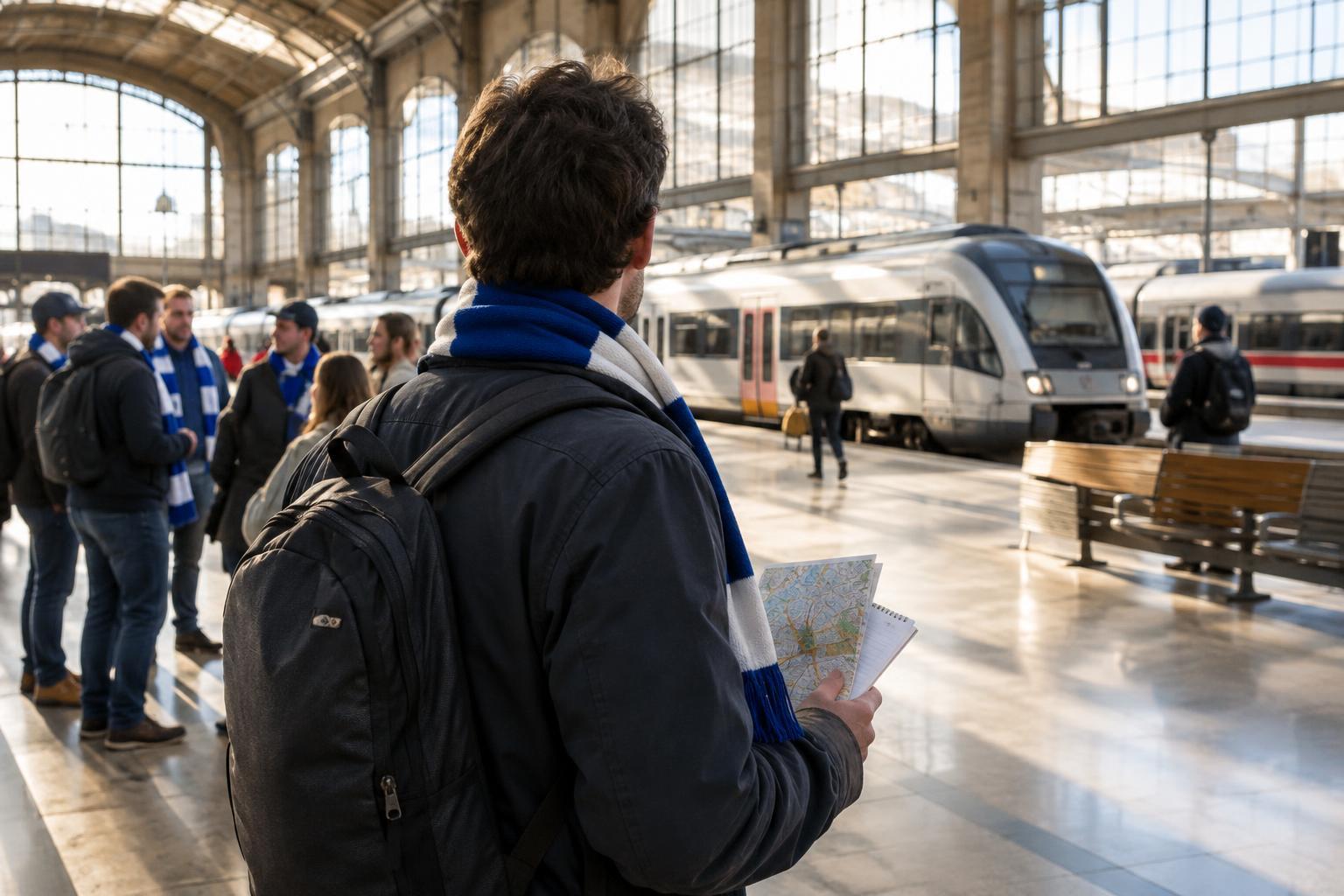
Rail is a useful starting point for trips between cities with direct or straightforward connections. You can usually move around during the journey, keep essentials close and arrive without collecting checked luggage. A daytime train also gives you a predictable block of time to read about the host city, eat or simply rest. On some routes, however, reservations are required, services sell out, or a connection leaves little room for a delay.
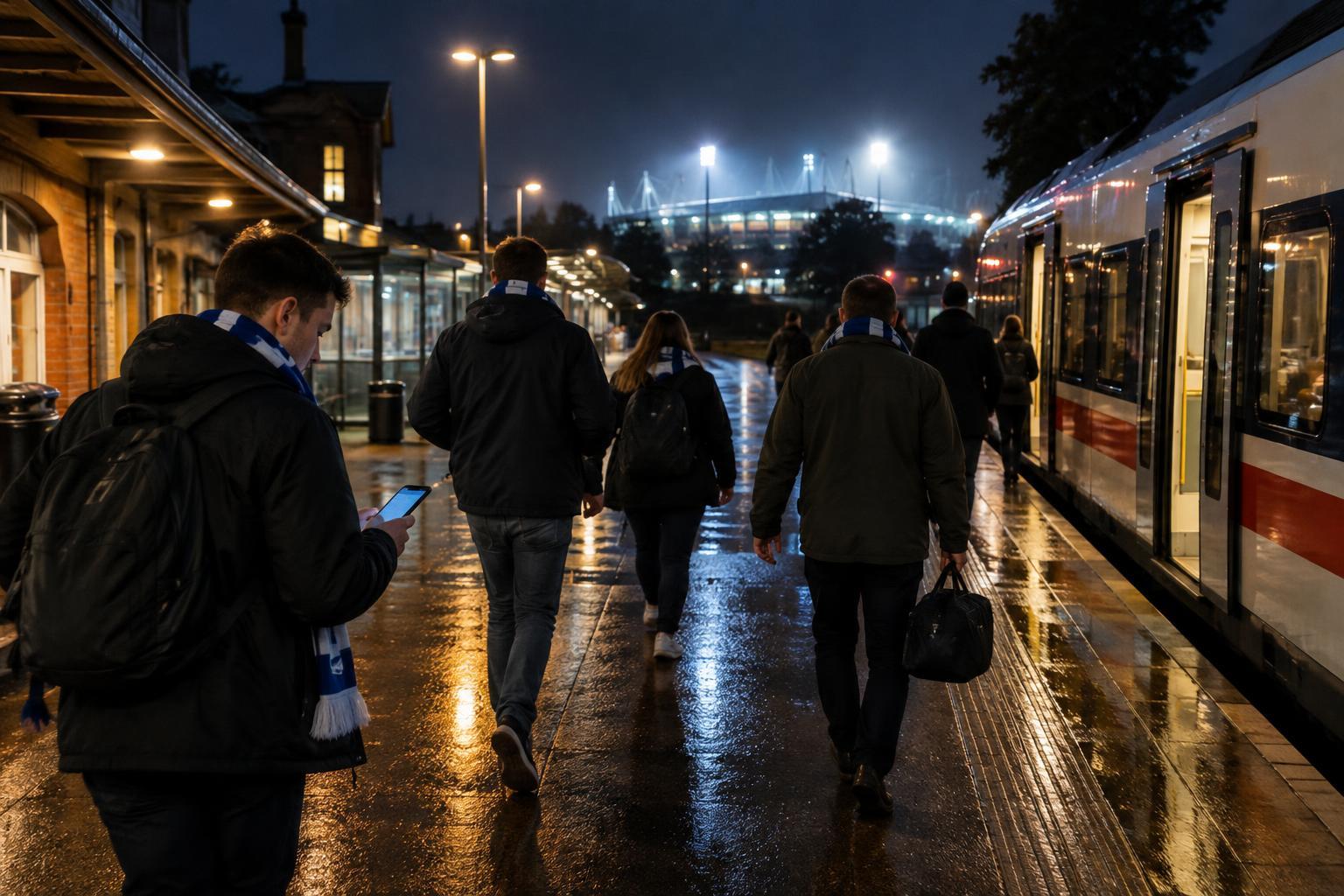
Look closely at changes rather than judging a route by its total duration alone. A slightly longer itinerary with one comfortable connection may be easier than a faster one with several tight transfers. Check which station the train uses, whether the final local journey is simple, and whether the last service still runs after your planned arrival. If you are travelling on match day, give yourself enough time to reach your lodging, leave your bag and get to the ground without treating every connection as guaranteed.
When a coach is the better fit
Coaches can be worth considering when rail fares are high, train connections are awkward or two cities have a useful direct road service. They may also provide an overnight option that preserves a day for sightseeing. Before booking, check the exact departure and arrival stops: a stop described with a city name may not be near its centre or your accommodation.
The trade-off is comfort and certainty. Road congestion can lengthen a journey, and an overnight coach may save the price of a room while leaving you short of sleep. Check luggage allowances and whether you can keep the items you need during the ride in a small bag at your seat. For a fixture you care deeply about, a coach that arrives only a few hours before kick-off creates avoidable pressure. It is often better suited to a travel day between matches than to a tight match-day arrival.
When flying earns its place
A flight may be the practical choice for a long cross-Europe leg, a route with poor ground connections or a limited trip where an extra day in transit would matter. Direct flights are usually simpler to plan than itineraries involving a change of aircraft. Even then, include airport transfers and the time needed before departure when comparing the flight with a train or coach.
Read the fare conditions before committing. A low headline price might allow only a small bag, while changing plans could be costly. Consider how you will get from the arrival airport into town if you land late. Flying may make less sense for a short hop between well-connected centres, particularly if getting to and from the airports takes much of the day. The best option depends on the specific route, not the distance alone.
Build a plan that can survive a delay
Start with the fixed points: where you will sleep, when you need to be at the stadium, and any border or travel-document requirements that apply to your itinerary. Then work backwards. Avoid planning an intercity arrival immediately before kick-off, especially if the journey involves changes or a separate airport transfer. If possible, travel the day before a match; if that is not practical, choose a schedule with a generous margin and a clear backup option.
Keep essential documents, medication and match information in the bag that stays with you, and check luggage rules for each leg. Save the address of your accommodation and the route from the terminal before setting off. Finally, ask what you want from the journey itself. A train can make travel part of the trip, a coach can help a budget stretch further, and a flight can bridge a large gap. Choose the option that gets you to the next football city with enough time and energy to enjoy being there.